

Dive into the healing powers of Red Light Therapy for inflammation, a groundbreaking approach in the realm of non-invasive treatments for reducing pain and inflammation. As more individuals seek alternatives to conventional medical treatments, RLT stands out for its ability to harness specific wavelengths of red light, offering a beacon of relief for those battling chronic inflammatory conditions. This innovative therapy, backed by scientific research, promises to reduce inflammation at the cellular level, enhancing the body’s natural healing processes without the discomfort of traditional interventions. Whether you’re dealing with the persistent ache of arthritis or the acute pain of tendonitis, discover how RLT is revolutionizing the way we approach inflammation management, making it an essential read for anyone on the journey towards a pain-free life.
Key TakeAway Red Light Therapy For Inflammation
Using red light therapy (RLT) for inflammation is its emergence as a promising, non-invasive treatment that leverages the therapeutic potential of low-level red wavelengths to enhance cellular function and mitigate inflammation.
Central to RLT’s effectiveness is its ability to penetrate the skin, stimulating the mitochondria within cells to boost energy production, which in turn fosters cell repair and regeneration.
This process not only reduces inflammation but also alleviates pain associated with various conditions like arthritis and tendonitis, offering a painless alternative to traditional treatments.
With ongoing research supporting its efficacy and the development of user-friendly devices for both clinical and home use, RLT represents a significant advancement in managing inflammation, providing a safe, effective, and accessible option for individuals seeking relief from inflammatory conditions.
Not all red lights will work on inflammation so it’s important to choose a red light device that has proper wave lengths to reach the cells. There are only a few brands that I’d trust to reduce inflammation.
The PlatinumLED Therapy Biomax 900 is probably the best light therapy panel on the market. Kala or Infaredi may be a better option if you’re looking for red light devices Canada and both of the pro series by them are fantastic. While you can get smaller devices for spot treatments, you’ll need to get a half or full body RLT panel to get the benefits for inflammation reduction.
Read to see if PlatinumLED Panels are right for youThe Best Red Light Panels For Inflammation
Red light therapy (RLT) is a therapeutic technique that uses low-level wavelengths of red light to treat various medical conditions, including inflammation.
It is based on the premise that certain wavelengths of light can penetrate the skin and may have biological effects on cells, potentially aiding in the healing process and reducing inflammation.
RLT is considered a non-invasive and painless treatment, which involves exposing the skin to a lamp, device, or laser with red light.

Research into the efficacy of red light therapy in reducing inflammation has indicated promising results.
The therapy is believed to work by acting on the mitochondria, the powerhouse of the cell, thereby increasing the energy production that can promote cell repair and regeneration.
This increase in cellular activity is suggested to reduce inflammation and pain, which is crucial for conditions such as arthritis, tendonitis, and other inflammatory diseases.
Fundamentals of Red Light Therapy
Red light therapy utilizes specific wavelengths of light to address inflammation and promote healing.
It operates at the cellular level to potentially reduce pain and enhance recovery.
Mechanism of Action
The core principle behind red light therapy is its ability to penetrate the skin and be absorbed by mitochondria.
This triggers a biochemical effect which rejuvenates cellular energy production.
The therapy commonly involves wavelengths in the range of 630-670 nanometers (nm) and sometimes near-infrared (NIR) wavelengths, typically between 810-880 nm.
Biological Effects on Inflammation
Red light therapy is believed to reduce inflammation by decreasing inflammatory cytokines.
It also increases blood flow to the affected area, which aids in the removal of inflammatory cells and the promotion of healing.
This can be particularly beneficial for conditions like osteoarthritis, where a study has shown significant pain reduction following treatment.
History and Evolution
The origins of red light therapy date back to the 1960s with the development of lasers.
Initially researched for its potential in healing wounds and reducing pain, the therapy evolved with the advent of LEDs, which allowed for broader applications.
Over time, new medical and cosmetic uses emerged, making red light therapy a versatile tool in various therapeutic contexts. In particular, red light therapy for cellulite has gained popularity as a non-invasive approach to improve skin texture and reduce the appearance of dimples. As research continues to uncover its benefits, practitioners are increasingly integrating this therapy into treatment plans for aesthetic and health-related concerns. This adaptability highlights red light therapy’s growing significance in modern wellness practices.
Red Light Therapy Devices
Red light therapy devices are instrumental in delivering low-intensity red and near-infrared light for therapeutic purposes. These devices are increasingly recognized for their potential to support skin health, promote healing, and reduce inflammation. Recent studies have begun to explore red light therapy benefits for herpes, suggesting that it may help alleviate symptoms and speed up recovery times. As research continues, more individuals may find relief through this innovative treatment option.
They are designed to promote healing, reduce inflammation, and can be utilized in both medical and home settings.
Types of Devices
Handheld Units: Compact and portable, these devices are suitable for treating small areas of the body and are often used for targeted pain relief.
Wearable Devices: Designed to be worn on the body, wearable units like the FlexBeam are convenient for targeting treatment on the go, optimizing muscle recovery, and enhancing athletic performance.
Panels: Larger than handheld units, panel devices can cover full-body or half-body and are commonly found in clinical settings. The MitoPRO Series is a notable example, popular for its general health and pain relief applications.
Device Selection Criteria
- Wavelength: Ideal devices emit red light in the 630-670 nm range and near-infrared in the 810-850 nm range.
- Intensity and Coverage: For effective treatment, the light intensity should be sufficient and the coverage area wide enough to accommodate the target area.
Safety and Maintenance
- Usage Guidelines: Devices should be used following manufacturer instructions to avoid overexposure.
- Cleaning and Storage: Regularly clean the device with appropriate materials and store in a cool, dry place to prolong its lifespan.
Treatment Protocols
Before embarking on red light therapy for inflammation, it is essential to understand the recommended treatment protocols which include the correct dosage and duration, adherence to the established procedure, and the personalization of treatment based on individual needs.
Dosage and Duration
The efficacy of red light therapy hinges upon the correct dosage, which is measured in terms of light intensity, wavelength, and session length.
The optimal wavelength typically lies within the 600nm to 1000nm range, direct skin exposure is required, and sessions usually last up to 30 minutes per day, as suggested by the Complete guide to light therapy dosing.
Procedure
For maximum effect, the skin should be clean and free of any barriers.
Devices must be positioned closely, ideally within an inch of the treatment area.
Red light therapy devices, whether LEDs or lasers, should be used consistently as part of a regular treatment routine.
Personalization of Treatment
Customizing the treatment to the individual’s requirements may involve adjustments in light intensity, treatment duration, and frequency.
For example, acute conditions might demand shorter, more frequent sessions, while chronic conditions could benefit from longer sessions spaced out over time.
Patient feedback and clinical assessments are often used to fine-tune these parameters.
Clinical Evidence
Clinical evidence indicates that red light therapy (RLT) is grounded in a growing body of research indicating its potential benefits for reducing inflammation and treating various conditions.
Research Studies
A key study in Photomedicine and Laser Surgery suggests that treatments involving both red and near-infrared light can lead to patient satisfaction through the reduction of fine lines, wrinkles and improving skin texture.
Additionally, an increase in intradermal collagen density was noted, as can be seen from the trial’s detailed analysis found in the National Library of Medicine’s resource.
Efficacy in Different Conditions
Red light therapy has been shown to effectively reduce inflammation related to several conditions.
In the context of osteoarthritis, for example, a study mentioned on WebMD, reported over a 50% reduction in pain resulting from the condition. Tendinitis, skin rejuvenation, and reducing varicose veins are other conditions where red light therapy’s anti-inflammatory benefits have been observed.
Comparative Analysis to Other Treatments
When compared with other anti-inflammatory treatments, red light therapy stands out for its non-invasive nature and the absence of significant side effects.
It has been documented to stimulate healing and relieve pain with minimal risks. Research published by the Cleveland Clinic corroborates these attributes, and further elaborates on its uses in medical conditions beyond its aesthetic applications.
Application Areas
Red light therapy, utilizing low-level wavelengths of light, addresses various medical conditions. Its healing effects are specific to the area of application, fostering recovery and pain relief.
Skin Disorders
Red light therapy is beneficial in treating skin conditions such as psoriasis, eczema, and acne.
Studies suggest its ability to reduce inflammation and accelerate cell repair can lead to significant improvement in skin health.
Musculoskeletal Issues
Those suffering from joint and muscle pain can find relief through red light therapy.
It is known to alleviate discomfort associated with conditions like arthritis and may aid in reducing inflammation in the musculoskeletal system.
Postoperative Recovery
Patients in the postoperative phase may experience reduced inflammation and pain from red light therapy.
It supports healing by promoting cellular regeneration and recovery, thereby shortening the healing time post-surgery. The mechanisms of red light therapy play a crucial role in patient rehabilitation.
Adverse Effects and Contraindications
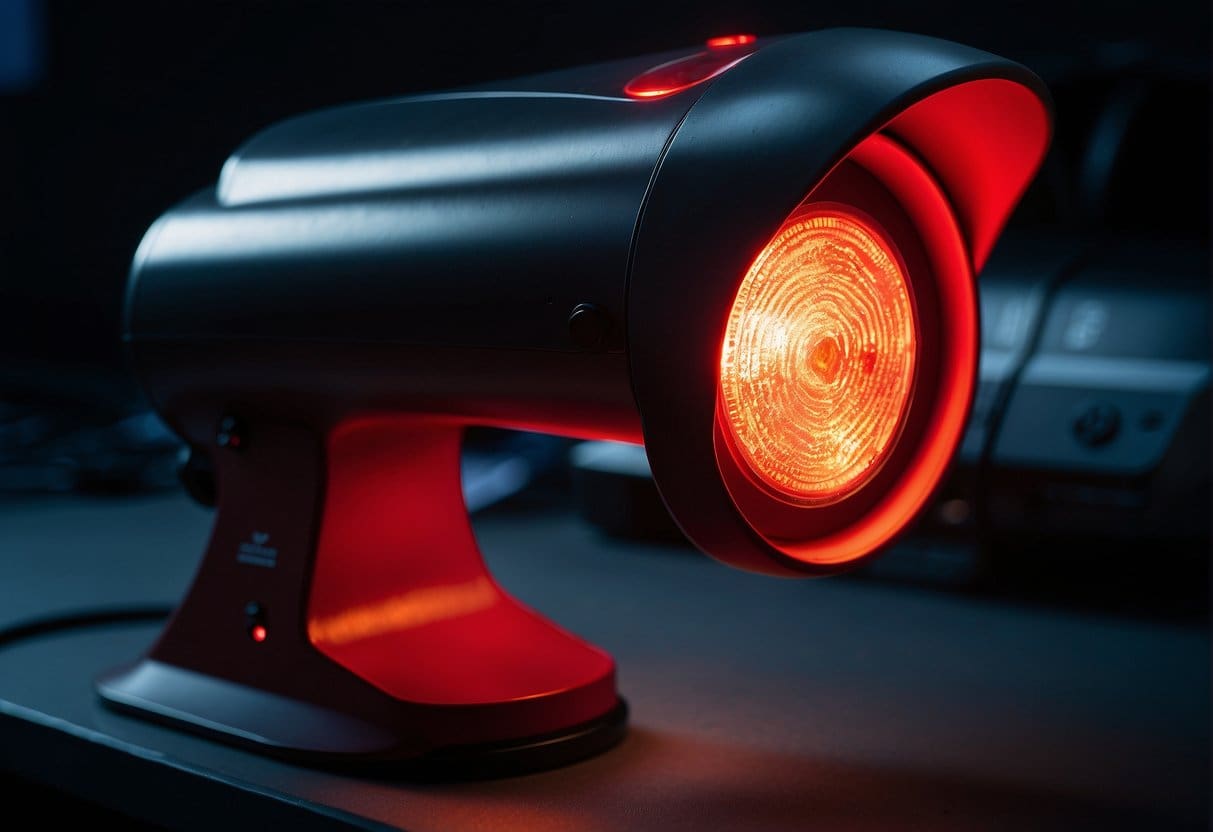
Red light therapy is generally considered safe, but like any treatment, it has potential adverse effects and there are certain contraindications to keep in mind.
Adverse Effects:
- Mild and Temporary Side Effects:
- Individuals may experience transient side effects such as headaches, eye strain, or irritability following exposure.
- Overuse:
- Overexposure can lead to skin redness and irritation.
Careful adherence to guidelines can minimize these effects.
Contraindications:
- Photosensitivity:
- Individuals with skin conditions that make them sensitive to light, such as lupus or porphyria, should avoid this therapy.
- Medications:
- Those on photosensitizing medications should also exercise caution.
- Eye Safety:
- Though not common, there is a risk to eye health if proper protection is not used during treatment.
Preexisting Conditions:
-
Cancer:
- Patients with active cancer, particularly skin cancer, should consult a healthcare provider due to concerns about the proliferative effects of light therapy on cells.
-
Pregnancy:
- Pregnant women are often advised to avoid red light therapy as the effects on the fetus are not well-studied. Read more about red light therapy and pregnancy.
Regulatory Considerations
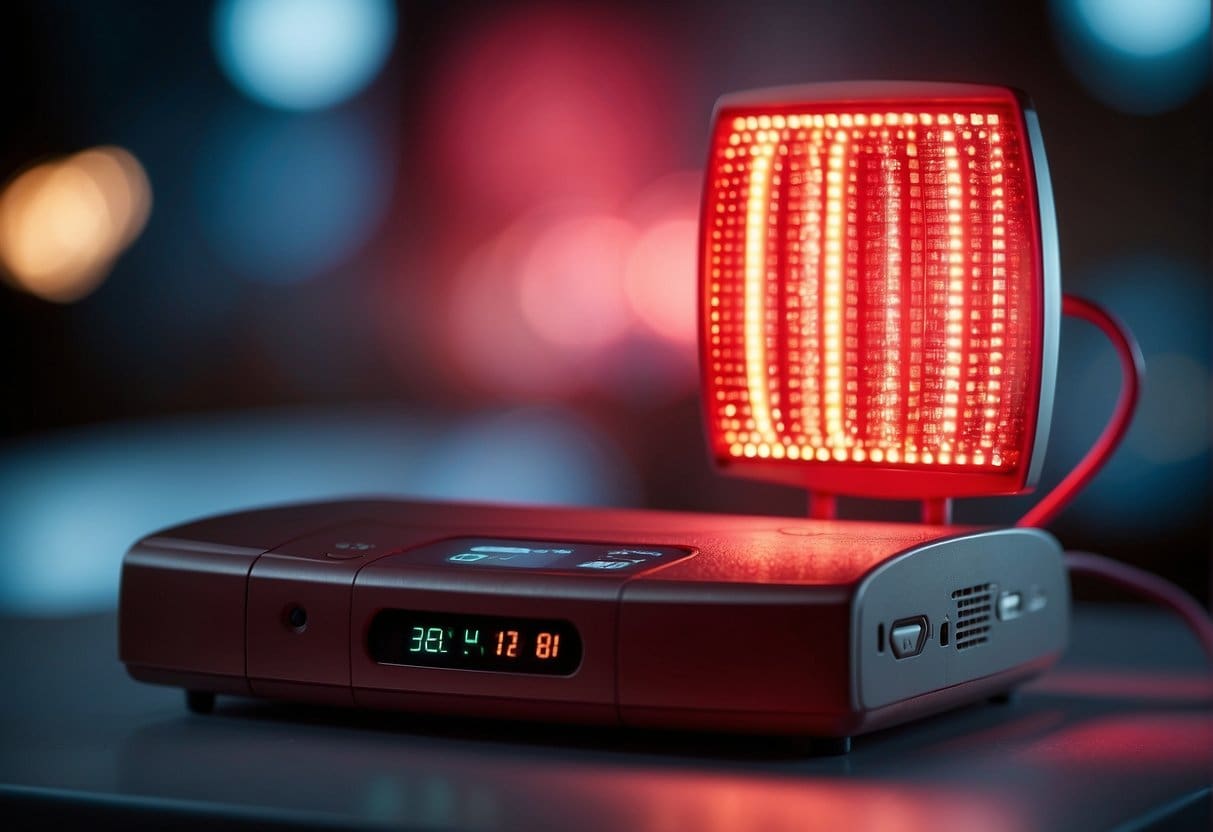
In the United States and internationally, red light therapy devices are subject to regulatory oversight to ensure safety and efficacy for consumers. These regulations are designed to protect public health by requiring manufacturers to adhere to specific standards and guidelines.
FDA Guidelines
The U.S. Food and Drug Administration (FDA) classifies red light therapy devices as medical devices, which requires manufacturers to obtain clearance before marketing their products.
The FDA places these devices into different classes based on the potential risk to the user.
For example, a red light therapy device intended for use in pain relief and healing might be classified as a Class II device, which necessitates a 510(k) clearance. This means the device must be proven to be substantially equivalent to another legally marketed device.
Red light therapy products marketed for cosmetic uses, such as for improving the skin’s appearance, may have different requirements.
Manufacturers must follow the specific FDA guidance documents pertinent to their product’s intended medical or cosmetic use.
International Regulations
Internationally, red light therapy devices fall under the purview of various regulatory bodies depending on the region.
In the European Union, such devices must comply with the Medical Device Directive (MDD) or the Medical Device Regulation (MDR), as appropriate.
CE marking is mandatory, indicating compliance with health, safety, and environmental protection standards for products sold within the European Economic Area (EEA).
In contrast, countries like Canada and Australia have their own sets of regulations.
Canada’s Health Canada oversees these devices under the Medical Devices Regulations, ensuring they meet necessary safety and effectiveness standards.
Similarly, in Australia, the Therapeutic Goods Administration (TGA) enforces regulations that manufacturers and importers must follow to legally supply their devices.
Each regulatory body has its own set of registration processes, standards and classifications that must be adhered to for market entry.
Future Prospects
The future of red light therapy holds considerable promise in both refining current treatment protocols and exploring new avenues for therapeutic application. Researchers continue to investigate its mechanisms and potential uses.
Innovation and Research Trends
Scientists are actively engaging in research to further understand the mechanisms behind the anti-inflammatory effects of red light therapy.
Recent studies have found that red and near-infrared light play roles in stimulating healing and reducing inflammation, likely through impacting mitochondrial functions and calcium ion channels.
Ongoing research also focuses on optimizing treatment parameters—such as wavelength, dosage, and duration—to maximize efficacy and safety.
Potential New Therapeutic Areas
Red light therapy’s potential extends to new therapeutic areas beyond currently established applications. Researchers are exploring its use in treating conditions such as hair loss, skin rejuvenation, and even pain management. As studies continue to uncover the red light therapy benefits, it may pave the way for more widespread acceptance and integration into mainstream medicine. The versatility of this treatment could revolutionize how various ailments are addressed, providing patients with innovative options for healing and recovery.
Clinicians may see its benefits in treating inflammatory skin conditions like acne, as trials suggest red light therapy can modulate both diseased and healthy skin.
There’s also a burgeoning interest in photobiomodulation for its noninvasive nature and drug-free approach in promoting wound healing, suggesting a future in comprehensive wound management.
Investing in a red light therapy bed for commercial use can help provide relief of inflammatory conditions for many people.
Frequently Asked Questions
This subsection addresses curious inquiries regarding the efficacy, safety, and outcomes of red light therapy in managing inflammation.
What are the benefits of red light therapy in treating inflammation?
Red light therapy has been documented to help reduce inflammation by promoting healing at the cellular level, potentially offering pain relief and assisting in the management of various inflammatory conditions. Studies suggest that the therapy can improve healing and diminish inflammation-related symptoms. Additionally, emerging research indicates that red light therapy benefits for gut health, enhancing the gut-brain connection and potentially alleviating symptoms of gastrointestinal disorders. By reducing inflammation in the digestive tract, this therapy may also promote a healthier microbiome, which is crucial for overall well-being. As a result, individuals seeking holistic approaches to their health may find valuable support through this innovative treatment.
Are there any safety concerns associated with using red light therapy for inflammation?
While red light therapy is generally considered safe and non-invasive, it is crucial to use devices as directed and be aware of potential precautions like avoiding direct eye exposure.
Consulting healthcare providers before starting treatment is advisable, especially for those with certain medical conditions or concerns.
How does red light therapy compare to other forms of pain management for inflammation?
Compared to pharmaceutical approaches, red light therapy is a non-pharmacological option that minimizes the risk of side effects associated with medications.
As an adjunct therapy, it can potentially relieve pain without the reliance on drugs for chronic conditions like rheumatoid arthritis.
Can red light therapy at home be as effective as professional treatments for reducing inflammation?
Home-based red light therapy devices are becoming increasingly available and sophisticated.
Although professional treatments are specifically calibrated for individual conditions, at-home devices may provide convenience and consistency, which are integral for maintaining the regimen and achieving favorable outcomes.
What should one expect in terms of results from red light therapy for inflammatory conditions?
Individuals often observe a reduction in inflammation and associated pain after consistent use of red light therapy. However, results can vary based on the condition being treated, the severity of inflammation, and adherence to the therapy protocol.
What do medical professionals typically advise regarding the use of red light therapy for inflammation?
Medical professionals generally recommend considering the evidence, the individual’s unique health situation, and the severity of the inflammatory condition when contemplating red light therapy.
It’s important to engage with a healthcare provider to determine the suitability of this therapy in one’s treatment plan.

Daryl Stubbs
RMT • Certified Athletic Therapist • Holistic Nutritionist
Daryl Stubbs is the founder of Sync Therapy and an 8-time award-winning clinician. With over a decade of experience since graduating in 2013, Daryl specializes in combining hands-on massage therapy with advanced innovations like red-light therapy, hydrogen water and PEMF. He helps clients in Colwood, Langford, and Victoria, BC move better and reduce pain through targeted rehab and gut-health protocols.
Credentials & Recognition:
- Bachelor of Athletic & Exercise Therapy (Camosun College)
- Voted "Best Massage Clinic" & "Best Rehab Clinic" (Community Votes, 2022–Present)