
While antibiotics are often used for SIBO, the right supplements are crucial for managing symptoms and restoring gut health. This guide breaks down the top SIBO supplements for 2025 to help you find lasting relief.
Key Takeaways: Best SIBO Supplements for 2025
- Comprehensive Testing is Key: Before starting any protocol, get a comprehensive gut microbiome test (like the US Biotek Microbiome test) to identify the exact nature of your overgrowth (e.g., Methane vs. Hydrogen SIBO) for a targeted and effective treatment.
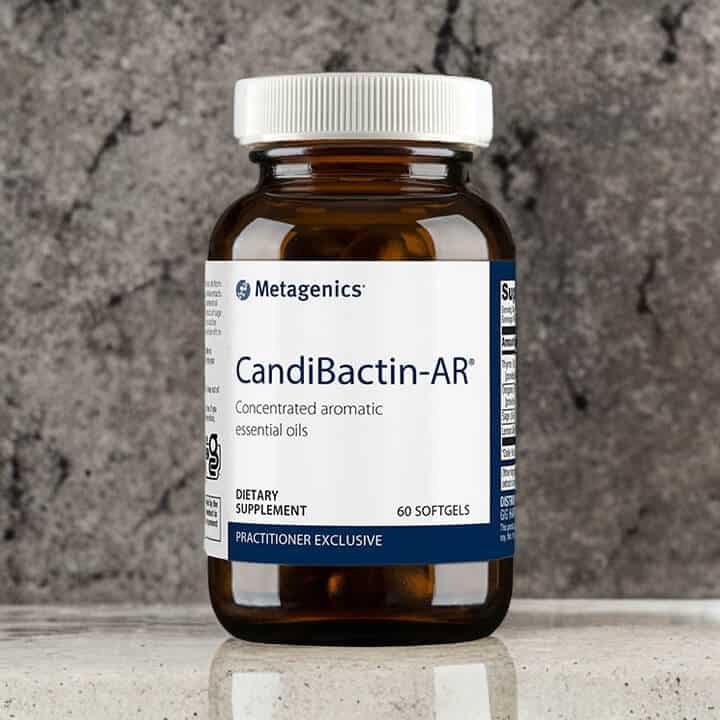
- Best Herbal Antimicrobial Protocol: The combination of Candibactin-AR and Candibactin-BR is our top pick. This is a clinically validated herbal protocol shown to be as effective as prescription antibiotics for reducing SIBO.
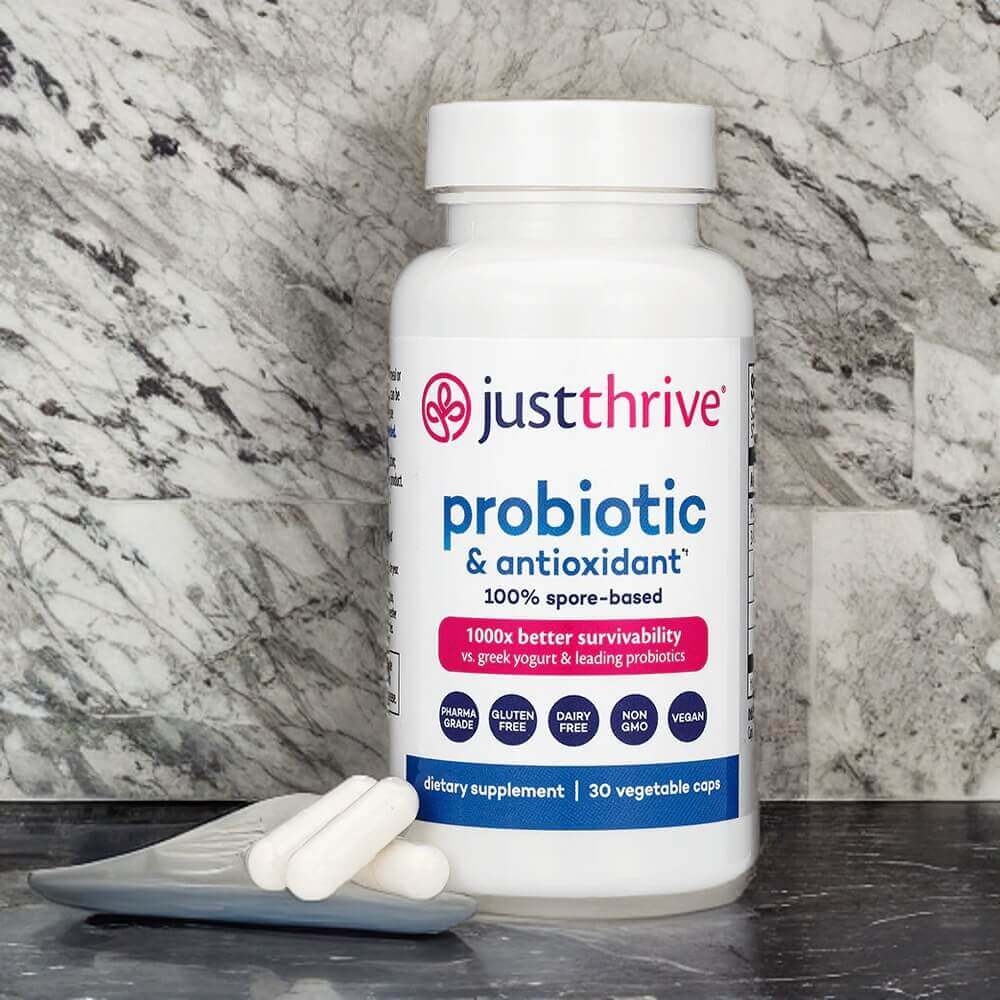
- Best Spore-Based Probiotic: Just Thrive Probiotic is the best choice for rebalancing gut flora without causing bloat, thanks to its resilient, non-colonizing spore-based strains.
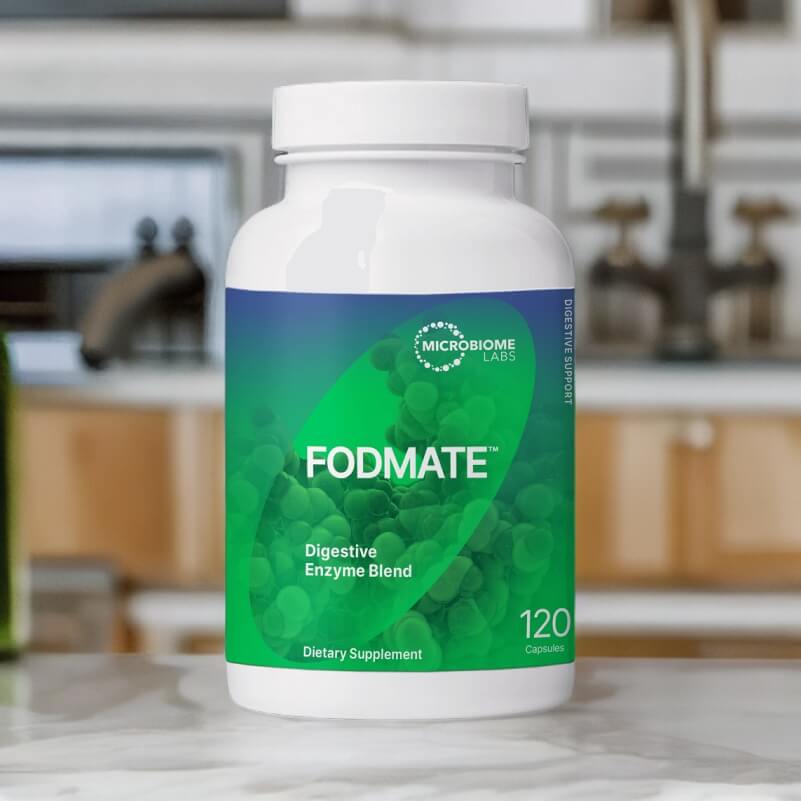
- Best for FODMAP Intolerance: For those struggling with high-FODMAP foods, FODMATE provides targeted digestive enzymes to break down these fermentable carbs and reduce bloating and gas.
- Powerful Combination Strategy: For comprehensive SIBO management, combining the Candibactin protocol with a spore-based probiotic like Just Thrive can offer the most significant and lasting relief.
Our Top 3 SIBO Picks for 2025
| Our Pick | Best For | |
|---|---|---|
Candibactin-AR + BR |
Best Overall Protocol |
Claim 10% Discount |
Just Thrive Probiotic |
Get 15% Off | |
FODMATE |
Best for Symptom Relief |
Check Best Price |
In This Guide
Why You Can Trust Our Reviews
Our recommendations are built on a foundation of hands-on experience, clinical insights, and a commitment to science-backed wellness solutions.
Hands-On Experience
We use these supplements personally and recommend them to clients, giving us real-world insight into their effectiveness for managing SIBO.
Science-Driven Approach
Our selections are guided by scientific literature and the principles of functional medicine to ensure they are both safe and effective.
Rigorous Vetting
We only recommend products with high-quality, clinically studied ingredients from reputable brands with transparent manufacturing processes.
Continuous Research
We constantly review the latest research on gut health and SIBO to ensure our recommendations remain current and effective. This enables us to provide the most accurate guidance tailored to individual needs. We emphasize the importance of incorporating a variety of nutrients for digestive wellness, which can significantly improve gut function and overall health. Our approach is to combine cutting-edge research with practical advice for managing SIBO and promoting a balanced microbiome.
The Best SIBO Supplements of 2025

1. Candibactin-AR
Best Essential Oil-Based Antimicrobial
Candibactin-AR contains a powerful blend of herbal antibiotics for SIBO, utilizing concentrated essential oils like thyme and oregano. As part of a clinically validated herbal protocol, it has been shown in studies to be as effective as the prescription antibiotic rifaximin for treating SIBO when combined with Candibactin-BR.[1]
"The composition is perfect, the quality and authority of Metagenics is the best!" - Customer
- Clinically Validated: Proven effective in studies.
- Potent Antimicrobial: Kills bacteria & yeast.
- Targets Methane & Hydrogen: Effective against both types of gas-producing bacteria.
Practitioner's Choice Protocol
For the most effective results, practitioners recommend using Candibactin-AR and Candibactin-BR together. This combination provides a powerful 1-2 punch against SIBO.
"These are the drugs that were used in studies and showed better results than antibiotics. This gives hope — they really work." - Customer
Get the Protocol (10% Off)2. Candibactin-BR
Best Berberine-Based Herbal Formula
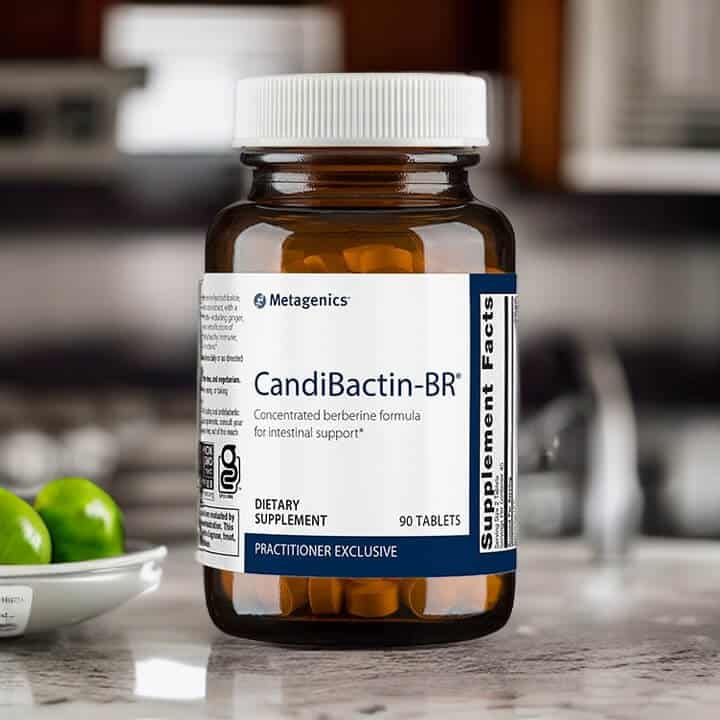
Candibactin-BR is the perfect partner to Candibactin-AR. Its formula is centered around berberine, a well-researched plant alkaloid with strong antimicrobial effects. Using both Candibactin-AR and BR together provides a powerful, synergistic, and clinically validated approach to eradicating SIBO and its related symptoms like constipation.
- Berberine Power: Features high-potency berberine to target harmful bacteria.
- Synergistic Formula: Designed to work with Candibactin-AR for maximum effect.
- Soothes Gut: Includes ginger and other herbs to soothe the digestive system.
3. Just Thrive Probiotic
Best Spore-Based Probiotic for Gut Rebalancing
Many users wonder which probiotic is best for SIBO, and the answer is often a spore-based one. Just Thrive is our top-rated spore-based probiotic because it survives the harsh stomach environment. Its unique ability to rebalance the gut without causing the bloating common with other probiotics makes it a client favorite.
- Highly Resilient: Spore-based strains survive stomach acid to work where needed.
- No Bloating: Doesn't add to bacterial load in the small intestine.
- Supports Immune Health: Helps restore a healthy gut barrier and immune function.
4. Megasporebiotic
Best Clinician-Grade Spore Probiotic
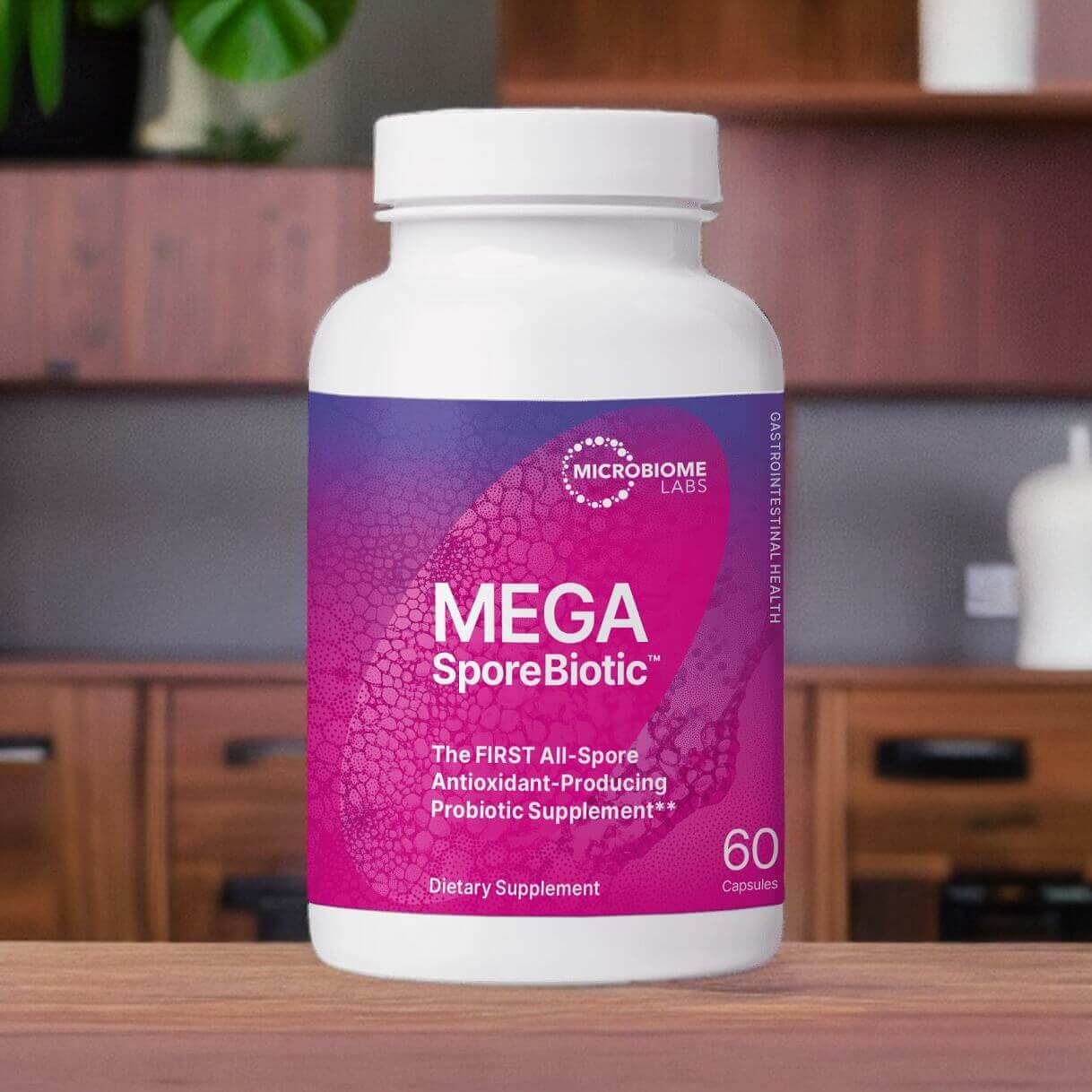
Megasporebiotic is a powerful, practitioner-grade spore probiotic containing a unique blend of 5 Bacillus spores. It's renowned for its ability to regulate the gut microbiome, support the growth of beneficial bacteria, and reduce indicators of leaky gut. It's a fantastic, potent option, though often more expensive and harder to acquire than Just Thrive.
- 5-Strain Blend: Offers a diverse range of beneficial spore-forming bacteria.
- Leaky Gut Support: Clinically shown to help strengthen the gut barrier.
- Microbiome Regulation: Encourages good bacteria while managing pathogens.
5. FODMATE by Microbiome Labs
Best Digestive Enzyme for FODMAP Foods
For individuals whose SIBO symptoms are triggered by high-FODMAP foods, FODMATE is a game-changer. This isn't a probiotic but a specialized enzyme formula designed to break down fermentable carbs (FODMAPs) before they can cause gas, bloating, and pain. It's an excellent tool for short-term relief while you work on the root cause.
- Targets FODMAPs: Specifically breaks down oligosaccharides, disaccharides, etc.
- Reduces Bloating & Gas: Provides immediate relief from symptoms after eating.
- Targeted Release: Uses a special capsule for optimal efficacy in the small intestine.
6. PhytoCidin by Vitazan Professional
Best Broad-Spectrum Herbal Antimicrobial
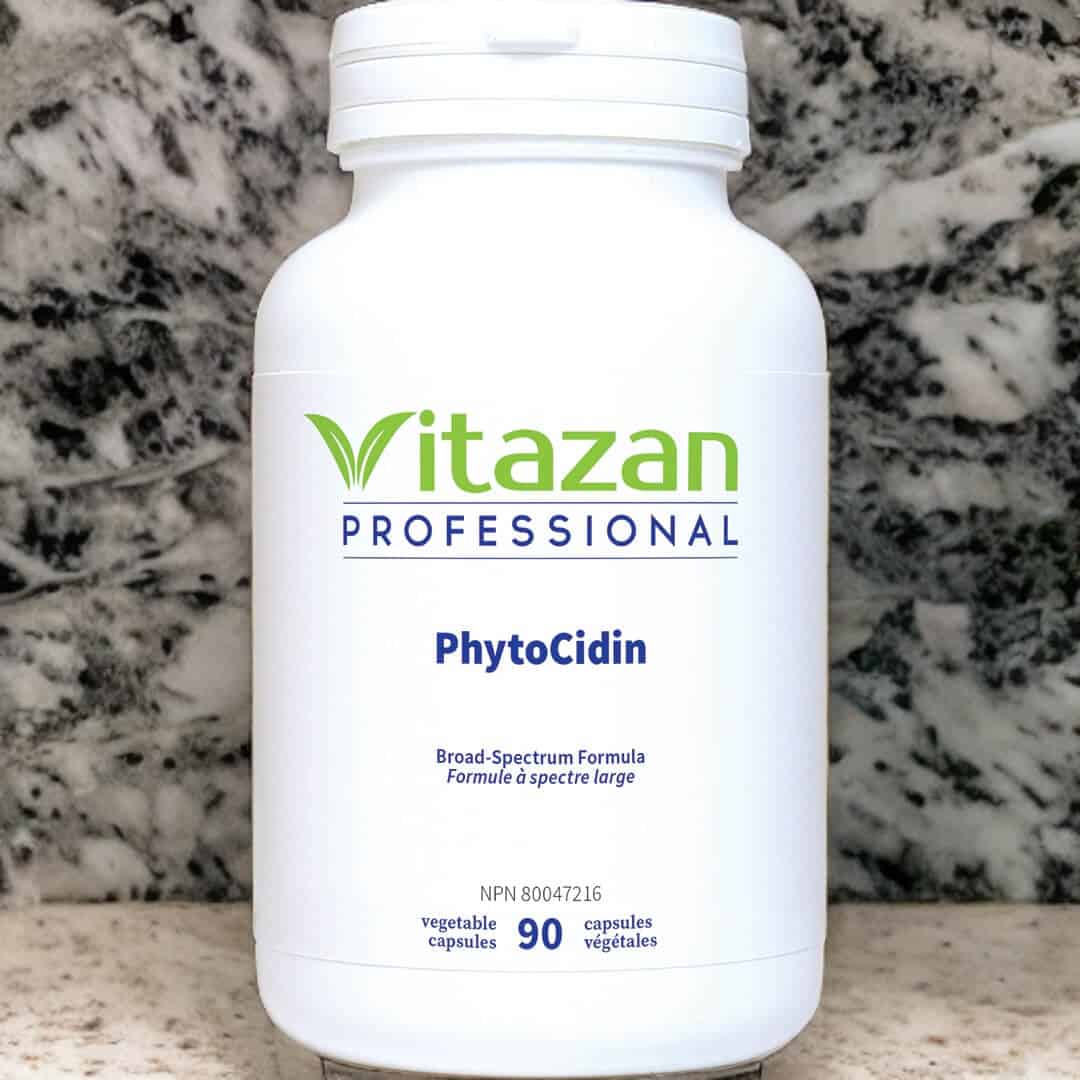
PhytoCidin is a potent herbal blend designed to address a wide range of microbial imbalances. It's an excellent choice for SIBO because it targets not just bacteria but also parasites, viruses, and fungi. Its formula also helps inhibit biofilm formation, a key challenge in treating persistent SIBO, and acts as a prokinetic to improve gut motility.
- Comprehensive Action: Targets bacteria, fungi, and parasites.
- Biofilm Inhibitor: Helps break down protective shields used by microbes.
- Prokinetic Support: Improves gut motility to prevent stagnation.
7. Intolerase by Vita Aid
Best for Broad-Spectrum Carbohydrate Digestion
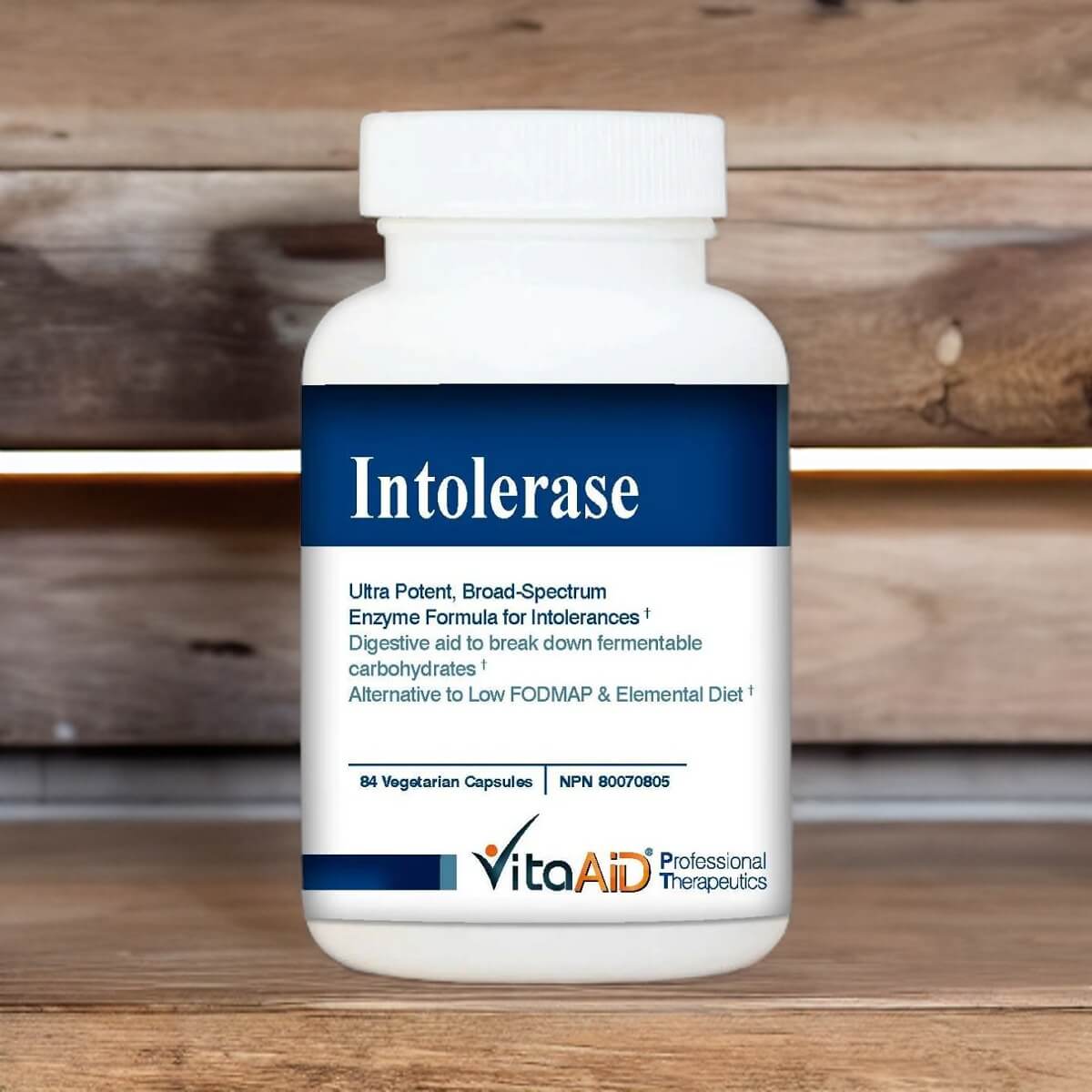
Intolerase is an ultra-potent enzyme formula that goes beyond FODMATE. It's designed to break down a wide range of fermentable carbohydrates, making it a powerful tool for those on a restrictive diet like low-FODMAP or a specific carbohydrate diet. By improving carbohydrate digestion with digestive enzymes, it reduces the fuel available for bacterial overgrowth.
- Potent Enzyme Blend: Includes alpha-galactosidase, lactase, amylase, and more.
- Supports Restrictive Diets: Helps improve compliance and reduce symptoms on low-carb diets.
- Reduces Fermentation: Minimizes the food source for overgrown bacteria.
Best Supplements for Methane vs. Hydrogen SIBO
Not all SIBO is the same. Targeting your treatment based on whether you have methane-dominant or hydrogen-dominant SIBO is crucial for success. Here's how our top picks stack up:
For Methane-Dominant SIBO (IMO)
Methane-dominant SIBO, often linked to constipation, requires specific antimicrobial action. The Candibactin AR & BR protocol is highly effective here. The berberine in Candibactin-BR is particularly well-studied for its ability to reduce methane-producing archaea. Combining it with the essential oils in Candibactin-AR creates a powerful, synergistic effect.
For Hydrogen-Dominant SIBO
Hydrogen-dominant SIBO, typically associated with diarrhea, responds well to broad-spectrum herbal antimicrobials. The oregano oil in Candibactin-AR is an excellent choice. PhytoCidin is also a great option due to its comprehensive blend that targets a wide array of bacteria.
SIBO Supplement Dosage & Protocols
Correctly dosing your SIBO supplements is critical for effectiveness and minimizing side effects. While you should always follow the guidance of your healthcare practitioner, here are some common protocols.
Candibactin SIBO Protocol
The standard Candibactin SIBO protocol involves taking both Candibactin-AR and Candibactin-BR together. A typical course lasts for 4 to 6 weeks. The dosage is usually 2 capsules of each supplement, taken 2-3 times per day with meals. It's often recommended to start with a lower dose and gradually increase to assess tolerance.
Berberine Dosage for SIBO
When using berberine as a standalone supplement (or in a formula like Candibactin-BR), a common berberine dosage for SIBO is 500mg, taken 2-3 times per day. It's crucial to use a high-quality source to ensure potency and purity.
Important: The information provided here is for educational purposes only. Always consult with a qualified healthcare practitioner before starting any new supplement protocol, especially for a condition like SIBO.
Understanding SIBO: Symptoms & Diagnosis
What is SIBO?
SIBO, or Small Intestinal Bacterial Overgrowth, is a condition where there's an abnormal increase in the number of bacteria in the small intestine.[2] Normally, the small intestine has relatively few bacteria. When they overgrow, they can ferment carbohydrates from food too early, leading to gas, bloating, and other painful symptoms. This overgrowth can also interfere with normal digestion and nutrient absorption.
Common Symptoms of SIBO
SIBO symptoms can vary widely but often include:
- Abdominal bloating and distension
- Excessive gas and flatulence
- Abdominal pain or cramping
- Diarrhea, constipation, or both
- An uncomfortable feeling of fullness
- Acid reflux or heartburn
- Nausea
- Fatigue and brain fog[3]
How is SIBO Diagnosed?
The most common and non-invasive way to diagnose SIBO is with a breath test. After drinking a sugar solution (lactulose or glucose), your breath is collected at intervals to measure the levels of hydrogen and methane gas produced by intestinal bacteria. Elevated levels of these gases at an early time point indicate an overgrowth in the small intestine.
- Hydrogen-Dominant SIBO: Often associated with diarrhea.
- Methane-Dominant SIBO (IMO): Often associated with constipation.
My Personal Experience
After struggling with Methane SIBO, a comprehensive test from US Biotek was a game-changer. It provided the exact data I needed to choose a targeted, effective protocol that finally gave me relief. Don't guess—test!
How to Choose the Right SIBO Supplement
Identify Your Primary Goal
Are you trying to kill off bacteria, rebalance your microbiome, or manage symptoms? Use herbal antimicrobials for killing, spore probiotics for rebalancing, and digestive enzymes for symptom management.
Consider Your SIBO Type
Some herbal formulas are more effective for specific gas types. For example, oregano and berberine are effective for both hydrogen and methane, making them a good starting point if you're unsure of your type.
Look for Quality and Purity
Choose supplements from reputable, professional-grade brands that engage in third-party testing to verify the purity and potency of their ingredients. Avoid products with unnecessary fillers or allergens.
Start Low and Go Slow
When starting any new supplement, especially antimicrobials, begin with a lower dose to assess your tolerance. Some people may experience "die-off" symptoms as bacteria are eliminated. Consult with a healthcare practitioner for guidance.
Frequently Asked Questions
Why are spore-based probiotics better for SIBO?
Traditional probiotics (like Lactobacillus and Bifidobacterium) can sometimes add more bacteria to an already overcrowded small intestine, potentially making symptoms worse. Spore-based probiotics have a protective shell that allows them to survive stomach acid. They don't colonize the small intestine but rather act as "gut police," helping to eliminate bad bacteria and encourage your own good bacteria to grow, making them much safer and more effective for SIBO.
What is the best natural prokinetic for SIBO?
Ginger is one of the most effective and well-researched natural prokinetics. It helps stimulate the migrating motor complex (MMC), the "cleansing waves" that sweep debris and bacteria out of the small intestine between meals. The ginger extract in supplements like Candibactin-BR can provide this prokinetic support as part of a treatment protocol.
Can I take these supplements with prescription antibiotics like Rifaximin?
This should always be discussed with your healthcare provider. However, many practitioners recommend using herbal antimicrobials either as a standalone treatment or in rotation after a course of antibiotics. Some studies suggest that certain supplements, like partially hydrolyzed guar gum (PHGG), can even enhance the effectiveness of Rifaximin. Do not combine treatments without professional guidance.
How long does it take to see results from these SIBO supplements?
Results vary depending on the severity of the SIBO and the individual. With digestive enzymes like FODMATE, you may notice relief from bloating within an hour of a meal. For antimicrobial and probiotic protocols, it typically takes 4-6 weeks of consistent use to notice significant improvements in symptoms. A full SIBO protocol often lasts for several months.
Final Thoughts: Your Path to a Healthier Gut
Tackling SIBO requires a strategic approach, and the right supplements are a cornerstone of a successful treatment plan. Herbal antimicrobials can be just as effective as prescription options for reducing bacterial overgrowth, while spore-based probiotics are essential for safely rebalancing your gut for long-term health.
By choosing high-quality, targeted supplements based on your symptoms and goals, you can effectively manage SIBO, alleviate digestive distress, and reclaim your well-being. Always remember to work with a healthcare professional to create a plan that is right for you.
References
- Chedid V, Dhalla S, Clarke JO, et al. Herbal therapy is equivalent to rifaximin for the treatment of small intestinal bacterial overgrowth. Glob Adv Health Med. 2014;3(3):16-24.
- Sundin OH, Mendoza-Ladd A, Zeng M, et al. The human jejunum has an endogenous microbiota that differs from those in the oral cavity and colon. BMC Microbiol. 2017;17(1):160.
- Rao SSC, Rehman A, Yu S, Andino NM de. Brain fogginess, gas and bloating: a link between SIBO, probiotics and metabolic acidosis. Clin Transl Gastroenterol. 2018;9(6):162.