
Culturelle vs. Align for IBS (2025): A Science-Backed Review
Navigating the world of probiotics for IBS can be confusing. This guide cuts through the noise with a direct comparison based on clinical evidence to help you make an informed choice for your digestive health in 2026.
Key Takeaways: Culturelle vs. Align
- Best for Overall IBS Symptom Relief: Align (Bifidobacterium longum 35624) shows stronger clinical evidence for managing a broad range of IBS symptoms, including pain, bloating, and bowel dysfunction across all subtypes.
- Best for Diarrhea-Predominant IBS (IBS-D): Culturelle (Lactobacillus rhamnosus GG) demonstrates significant effectiveness for IBS-D and mixed-type IBS (IBS-M), and works faster for acute digestive issues.
- Evidence Quality Matters: Align's clinical trials are noted for their high methodological quality (randomized, double-blind, placebo-controlled), providing a stronger evidence base for its claims.
- Different Mechanisms: The probiotics work differently. Align modulates the immune system for systemic anti-inflammatory effects, while Culturelle primarily enhances the gut's physical barrier.
- No "One-Size-Fits-All": The best choice depends entirely on your specific IBS symptoms, subtype, and treatment goals.
Our Top Picks for 2025
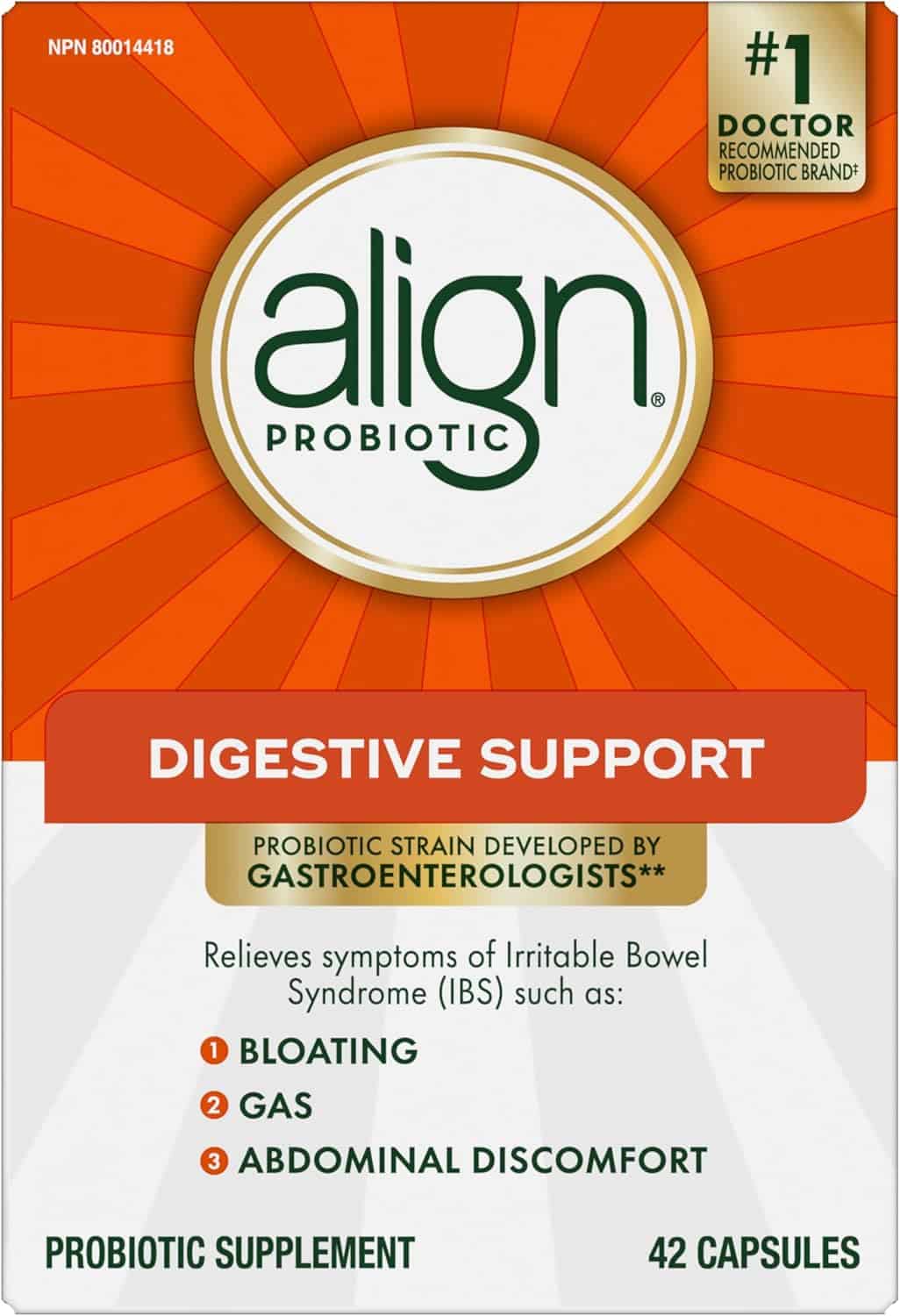
Align Probiotic
For broad-spectrum relief of bloating, pain, and discomfort.
Check Latest Price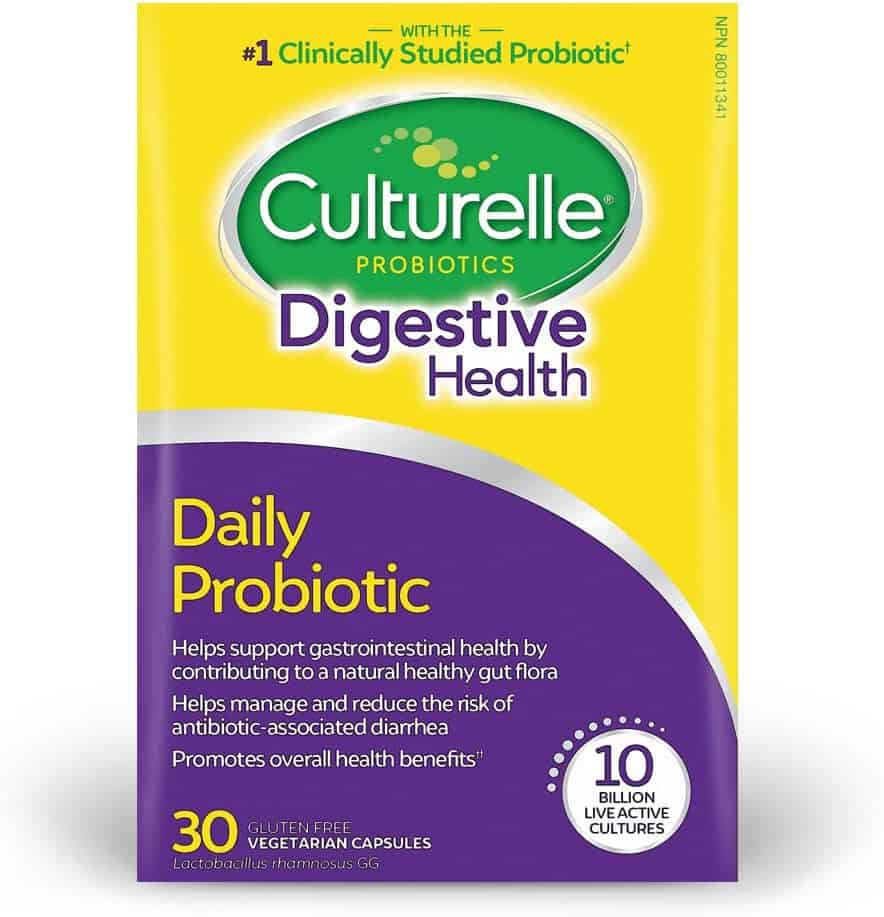
Culturelle Probiotic
For targeted, fast-acting relief from diarrhea and acute issues.
Check Latest PriceIn This Article
Why You Can Trust This Comparison
Our analysis is not based on opinion or marketing claims. We have synthesized the findings from published clinical trials and scientific reviews to provide a clear, evidence-based comparison. Our goal is to empower you with the data you need to have an informed discussion with your healthcare provider about your gut health.
Focused on Clinical Data
We prioritize data from controlled clinical trials, such as the Whorwell et al. (2006) study on Align and the Pedersen et al. (2014) study on Culturelle.
Synthesized Expert Reviews
This comparison reflects findings from systematic reviews, including analyses from the University of Michigan and guidelines from the World Gastroenterology Organisation.
At a Glance: Align vs. Culturelle for IBS
| Feature | Align (B. longum 35624) | Culturelle (L. rhamnosus GG) |
|---|---|---|
| Primary Strength | Broad-spectrum relief across all IBS subtypes | Targeted relief for IBS-D and acute issues |
| Clinical Evidence Quality | High (Multiple placebo-controlled trials) | Moderate (Key study was unblinded) |
| Time to Effect | 2-4 weeks for optimal benefit | Starts working within 48 hours |
| Mechanism of Action | Systemic anti-inflammatory modulation | Direct gut barrier enhancement |
| Best For | Chronic, comprehensive IBS management | IBS-D, IBS-M, antibiotic-associated diarrhea |
| Cost | Higher | Lower (15-20% less) |
Align vs Culturelle for IBS: In-Depth Clinical Reviews
The most significant difference between these two probiotics lies in their performance across different types of Irritable Bowel Syndrome. The clinical data shows probiotics help IBS in different ways and are not interchangeable.
In-Depth Review: Align (Bifidobacterium 35624)
The Broad-Spectrum Choice for Overall Symptom Control
Align's strength lies in its well-documented, broad-spectrum effectiveness. The pivotal Whorwell et al. (2006) study found that the B. longum 35624 strain provided statistically significant improvements in abdominal pain, bloating, and overall bowel dysfunction across a mixed IBS population. For a complete breakdown, see our full Align Probiotic review.
Pros
- High-quality clinical evidence
- Effective for broad symptoms
- Works on all IBS subtypes
Cons
- Higher cost
- Slower onset (2-4 weeks)
In-Depth Review: Culturelle (Lactobacillus GG)
The Specialist for Diarrhea-Predominant IBS
Culturelle shines in specific scenarios. The Pedersen et al. (2014) study showed that Lactobacillus rhamnosus GG (LGG) led to significant symptom reduction in patients with IBS-D (diarrhea) and IBS-M (mixed), but showed no benefit for IBS-C (constipation).
Pros
- Very effective for IBS-D
- Fast acting (under 48 hours)
- Lower cost
Cons
- Not effective for IBS-C
- Evidence quality is moderate
Align vs Culturelle: Safety, Cost & Dosing Comparison
Safety Profile & Side Effects
Both probiotics have excellent safety records in clinical trials. Potential side effects are rare and typically mild. Align has no reported cases of systemic infection in literature. Culturelle's 30-year history shows extremely rare cases of bacteremia, almost exclusively in severely immunocompromised patients. For the general population, both are considered very safe, with mild, temporary gas or bloating being the most common side effect.
Cost & Value
Culturelle generally has a cost advantage, priced about 15-20% lower than Align. This can be a significant factor for long-term, continuous use, which is necessary to maintain benefits for either product.
Dosing and Onset of Action
The dosing reflects their different uses. Culturelle uses higher CFU (Colony Forming Units) counts of 10-20 billion and can show effects within 48 hours, making it suitable for acute issues. Align uses a much lower, precisely researched dose of 100 million CFU and requires 2-4 weeks to reach its full, system-modulating effect, positioning it for chronic management.
Final Verdict: Which Probiotic Should You Choose in 2026?
The clinical evidence does not point to one universally "better" probiotic. Instead, it highlights two effective but distinct tools for IBS management. Your choice between different probiotic strains should be guided by your primary symptoms and goals, in consultation with your gastroenterologist.
Choose Align if...
- You suffer from a mix of IBS symptoms (pain, bloating, gas, constipation, diarrhea).
- Your primary goal is overall, long-term symptom management.
- You value the reassurance of high-quality, placebo-controlled clinical trials.
- You are managing chronic symptoms rather than an acute flare-up.
Choose Culturelle if...
- Your main issue is diarrhea (IBS-D) or a mix including diarrhea (IBS-M).
- You need faster relief for an acute digestive issue.
- Cost is a primary consideration for long-term use.
- You have not found relief with other options for IBS-D.
References
- Whorwell, P. J., et al. (2006). Efficacy of an encapsulated probiotic Bifidobacterium infantis 35624 in women with irritable bowel syndrome. *The American journal of gastroenterology*.
- Pedersen, N., et al. (2014). Low-FODMAP diet versus Lactobacillus rhamnosus GG in irritable bowel syndrome. *World journal of gastroenterology*.