
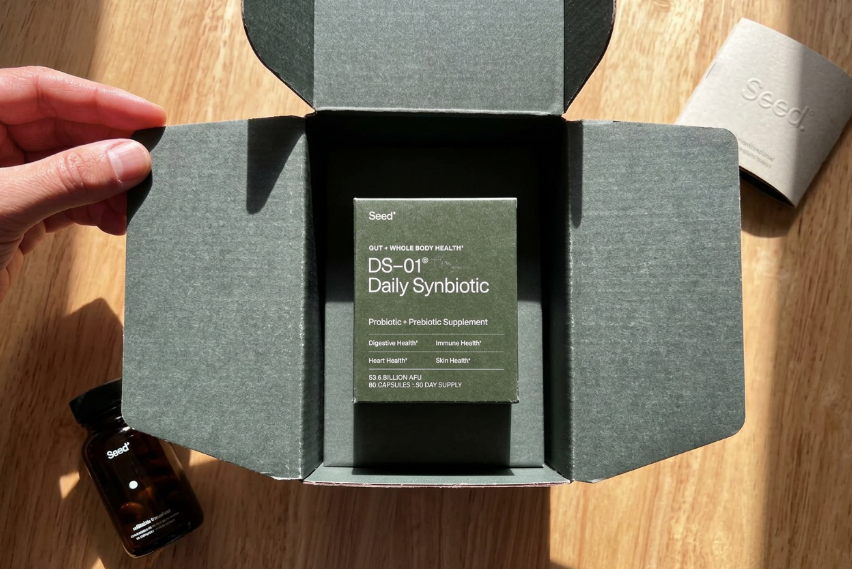
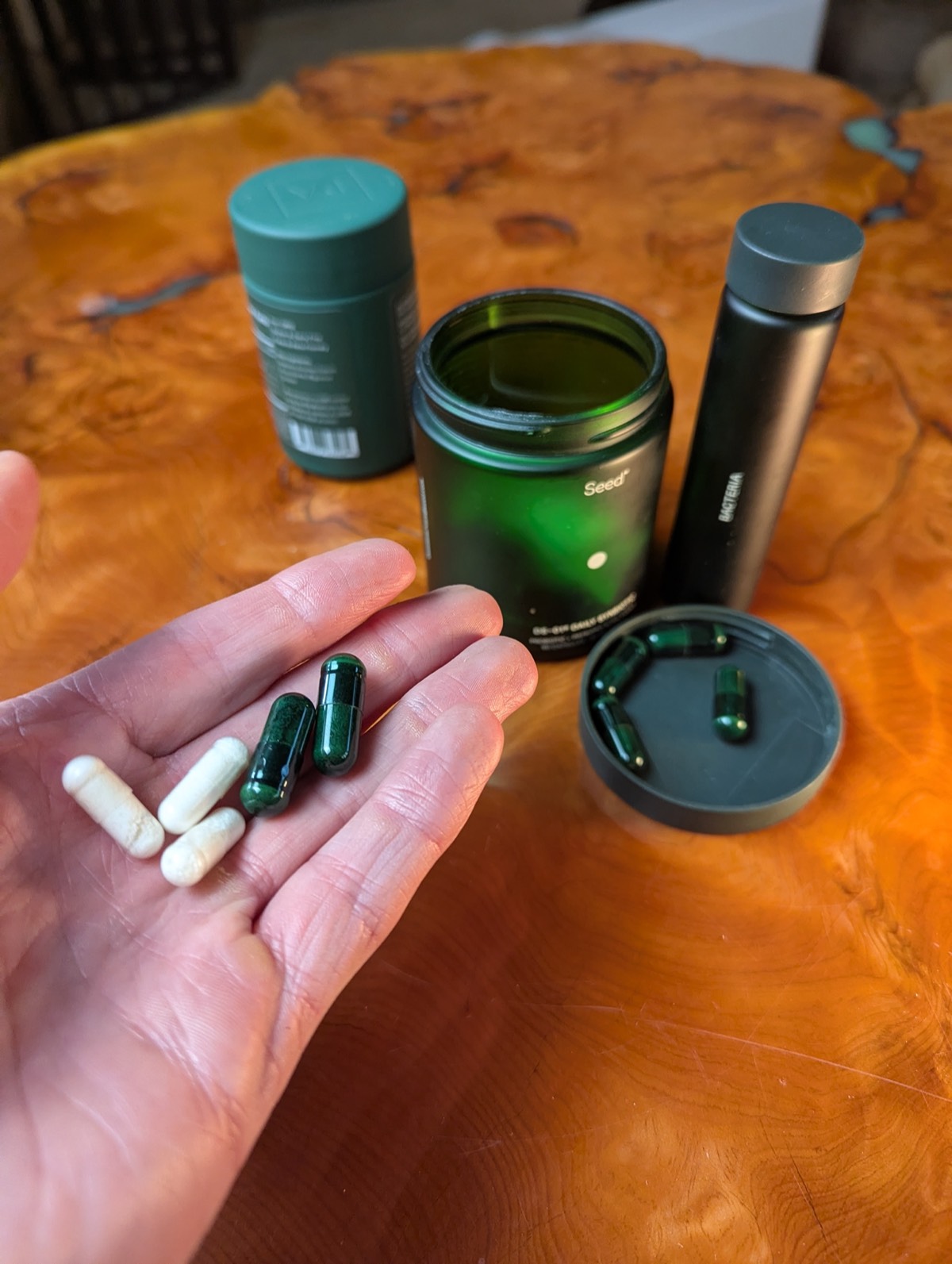
If you suffer from Irritable Bowel Syndrome (IBS-C, IBS-D, or Mixed), choosing between Seed vs Ritual probiotic for IBS matters because you need a formula that meaningfully addresses transit time, stool consistency, and abdominal discomfort—not just general "gut health."
The verdict? I reach for Seed DS-01 first for IBS clients. While its 2026 clinical trial studied adults with bloating and indigestion (not diagnosed IBS specifically), the outcomes it improved—bloating, gas, abdominal discomfort, and bowel regularity—are exactly the symptoms that overlap most with IBS.
Written by a Certified Holistic Nutritionist
I hold certifications in holistic nutrition and work with IBS clients regularly in my practice. This review combines my clinical observations with peer-reviewed evidence, including the 2026 DS-01 randomized controlled trial. Note: the trial studied bloating/indigestion, not diagnosed IBS—I've noted where I'm inferring relevance.
Why Seed Outperforms Ritual for Irritable Bowel Syndrome
IBS often involves broad microbial imbalance, which is where Seed DS-01's 53.6 Billion AFU across 24 strains becomes relevant. Its Digestive Health Blend includes strains studied for improving stool consistency and reducing abdominal discomfort. Ritual's 3 strains offer targeted postbiotic support but lack the breadth that I find more useful for the multi-symptom picture of IBS.
- Non-Fermenting Prebiotics: Won't trigger FODMAP sensitivities.
- Targeted Strains: Balances transit time for both IBS-C and IBS-D.
- ViaCap® Delivery: Capsule-in-capsule design engineered to protect against stomach acid, enzymes, and bile.
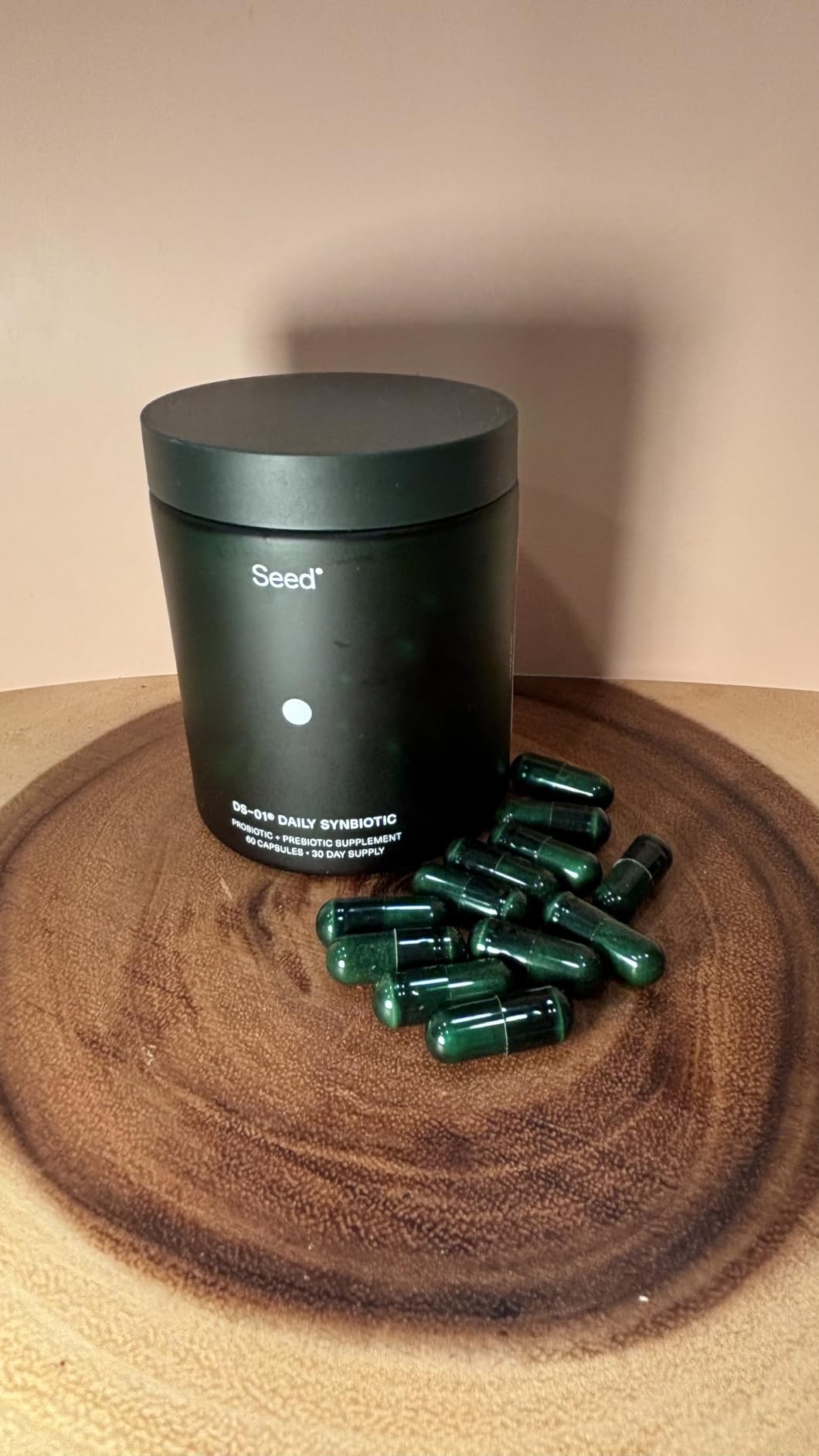
Seed vs Ritual Probiotic for IBS Fast Facts
| Feature | Seed DS-01 | Ritual Synbiotic+ |
|---|---|---|
| IBS Efficacy | Strong (IBS-overlap symptoms studied) | Mild (Gut barrier maintenance) |
| Tolerability for IBS | High (Non-fermenting prebiotics) | High (Targeted postbiotic) |
| Microbiome Repair | 24 Strains (Broad-spectrum) | 3 Strains (Targeted support) |
| Monthly Cost | $49.99 | $54.00 |
Who Should Buy Seed?
- You cycle between IBS-D and IBS-C.
- You need systemic gut flora repair post-antibiotics.
- You want strains specifically tested for regularity.
- You need non-fermenting prebiotics (FODMAP-friendly).
Who Should Buy Ritual?
- You don't have diagnosed IBS, just mild digestion issues.
- You are mostly focused on gut lining maintenance.
- You want postbiotic Tributyrin to nourish the barrier.
- You want maximum supply chain transparency.
Frequently Asked Questions
Which probiotic strains in Seed DS-01 help IBS symptoms?
Seed DS-01 contains a specific Digestive Health Blend with clinical strains like Bifidobacterium longum SD-BB536-JP and Bifidobacterium breve SD-BR3-IT which are deeply studied for improving stool consistency and reducing IBS-related abdominal pain.
Can Ritual Synbiotic+ cure Irritable Bowel Syndrome?
No, Ritual cannot cure IBS, nor does any probiotic. However, Ritual’s postbiotic Tributyrin helps support gut barrier integrity, which is occasionally beneficial for IBS-D. Generally, Seed’s robust 24-strain formula is much more effective for chronic IBS management.
How do I take Seed for IBS without causing a flare-up?
Given the sensitive digestion inherent to IBS, start Seed DS-01 with one capsule daily for the first 3-5 days. Drink plenty of water and gradually increase to two capsules daily to smoothly acclimate your microbiome.
Are prebiotics in Seed bad for IBS-C and IBS-D?
Not necessarily. While some prebiotics can cause issues in IBS, Seed uses Punicalagins from Indian Pomegranate—a non-fermenting polyphenol prebiotic rather than standard fermentable fibers. This design is intended to support colonic delivery without the upper GI distress that typical prebiotic fibers can cause.
For our full comparison, read Seed vs Ritual Probiotic: Which is Better in 2026?
Affiliate Disclosure: This page contains affiliate links. If you purchase through our links, we may earn a commission at no extra cost to you. This supports our clinic's ability to produce independent, evidence-based content.
Medical Disclaimer: This article is for educational and informational purposes only and does not constitute medical advice. IBS is a complex condition—probiotic supplementation should complement, not replace, guidance from a qualified gastroenterologist. The author is a Certified Holistic Nutritionist—not a gastroenterologist. Always consult your doctor before starting any new supplement.
Use code synctherapy for 15% off!