

Seed vs MegaSporeBiotic: Which Probiotic Wins in 2026?
Seed vs MegaSporeBiotic — which soil-based probiotic is actually better? As a Certified Holistic Nutritionist who has used both in clinical settings, I'm breaking down the strains, potency, pricing, and real-world results to help you decide.
The Bottom Line (TL;DR)
- For Comprehensive Health & Broad-Spectrum Support (Winner): Seed DS-01 is my top recommendation. It delivers 24 diverse strains with 53.6 billion AFU, supporting gut, skin, heart, and immune health simultaneously.
- For Practitioner-Directed Protocols: MegaSporeBiotic is a concentrated soil-based probiotic with 5 Bacillus strains, typically used under healthcare practitioner guidance for targeted gut restoration.
- Price Comparison: Seed is more affordable at $49.99/month for a 30-day supply. MegaSporeBiotic runs approximately $55/month and requires practitioner consultation.
Why Trust This Review?
"As a Certified Holistic Nutritionist, I don't just research these supplements — I use them in clinical practice with real clients dealing with bloating, IBS, SIBO, and skin issues.
Clinical Results
I leverage both Seed DS-01 and MegaSporeBiotic in my clinic. Seed serves as my go-to for broad-spectrum daily support, while MegaSporeBiotic is reserved for specific protocols under practitioner oversight.
Science-Backed
We evaluate clinical trials for each strain, examining AFU/CFU viability claims and reviewing the published research supporting each formulation.
Is Seed or MegaSporeBiotic Better? The 2026 Verdict
Both are excellent probiotic supplements, but they serve distinctly different purposes. Seed DS-01 is designed for daily broad-spectrum wellness support, while MegaSporeBiotic is a concentrated spore-based formulation typically used in clinical settings. Here's how they compare in practice.
1. Seed DS-01 Daily Synbiotic
Top Pick for Daily Broad-Spectrum Support
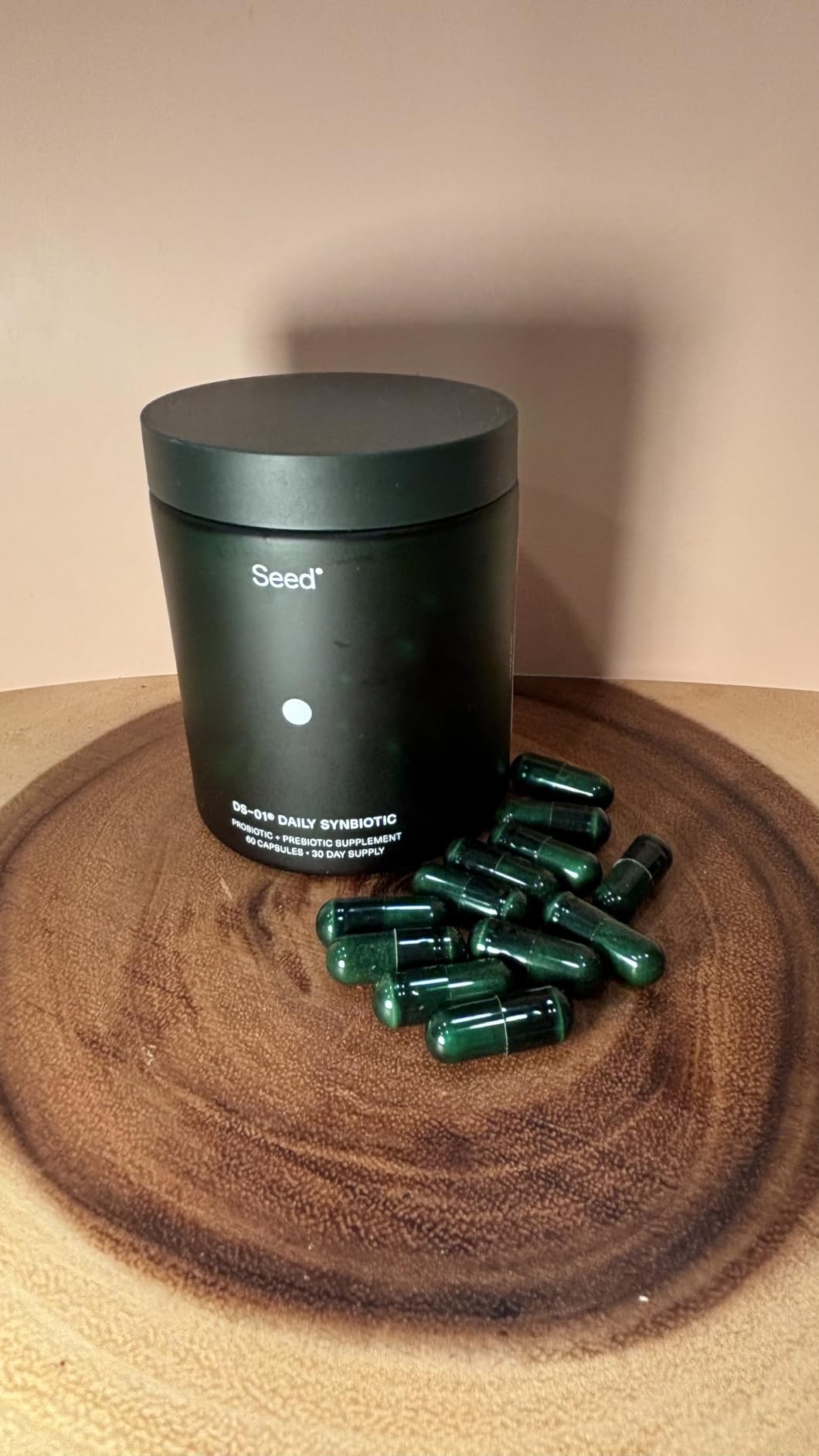
Seed DS-01 is my top choice for daily probiotic support. With 24 clinically-studied strains totaling 53.6 billion AFU, it's designed not just for digestive comfort but for systemic benefits across gut, skin, heart, and immune health. In my nutrition clinic, I recommend Seed DS-01 as the fastest and easiest way to provide comprehensive gut support to my clients.
- Broad Spectrum: 24 distinct strains totaling 53.6 Billion AFU.
- Systemic Benefits: Supports gut, heart, skin, and immune health.
- Prebiotic Blend: Pomegranate punicalagins + pine bark polyphenols.
- Advanced Delivery: Patented ViaCap® 2-in-1 capsule survives stomach acid.
Price: $49.99/mo (Use code synctherapy for 15% off)
2. MegaSporeBiotic
Best for Practitioner-Directed Protocols

MegaSporeBiotic is a concentrated soil-based probiotic containing 5 Bacillus strains. It's designed for targeted gut restoration and is primarily sold through healthcare practitioners. This makes it ideal for specific clinical protocols targeting severe dysbiosis or post-antibiotic recovery under professional guidance.
- Spore-Based: 5 targeted Bacillus strains for gut restoration.
- Practitioner-Only: Sold primarily through healthcare professionals.
- Concentrated Formula: Designed for specific clinical protocols.
- Survivability: Bacillus spores survive stomach acid naturally.
Price: Approximately $55/month (practitioner pricing)
Seed vs MegaSporeBiotic: Side-by-Side Comparison
Let's look at the hard data to help you make an informed decision between these two popular probiotic supplements.
| Feature Comparison | Seed DS-01 | MegaSporeBiotic |
|---|---|---|
| Probiotic Strains | 24 distinct strains (Gut, skin, heart blends) | 5 Bacillus strains (soil-based) |
| Total Potency | 53.6 Billion AFU (Active Fluorescent Units) |
~2 Billion CFU (Colony Forming Units) |
| Prebiotic Inclusion | Pomegranate punicalagins + pine bark polyphenols | Not specified |
| Availability | Direct to consumer |
Practitioner-only |
| Capsule Tech | ViaCap® (2-in-1 nested technology) | Standard capsule |
| Price per Month | $49.99 | ~$55.00 |
Understanding the Key Differences
Strain Diversity vs. Concentration
The primary difference between Seed DS-01 and MegaSporeBiotic comes down to approach. Seed offers 24 diverse strains targeting multiple body systems — this is ideal for daily wellness support where you want comprehensive coverage. MegaSporeBiotic focuses on 5 concentrated Bacillus strains, which is better suited for specific clinical protocols where targeted intervention is needed.
Availability and Guidance
Seed DS-01 is available directly to consumers — you can purchase it online and use it with the guidance provided on the label. MegaSporeBiotic, by contrast, is primarily sold through healthcare practitioners. This practitioner-only model ensures proper dosing and protocol selection but adds a barrier to access.
Spore-Based Technology
Both products include spore-forming bacteria, which are valued for their ability to survive stomach acid and reach the intestines. Seed includes Bacillus strains within its 24-strain formula, while MegaSporeBiotic is entirely spore-based. If you're specifically looking for soil-based probiotics, check out our complete guide to the best soil-based probiotics.
Who Should Buy Seed vs MegaSporeBiotic?
Buy Seed DS-01 If You...
- Want daily broad-spectrum probiotic support
- Need support for gut, skin, heart, and immune health
- Prefer direct-to-consumer purchasing without practitioner consult
- Want 24 strains at $49.99/month
- Need prebiotic support from pomegranate and pine bark
- Value finished-product human clinical trials
Buy MegaSporeBiotic If You...
- Are working with a healthcare practitioner
- Need targeted gut restoration protocols
- Are recovering from severe dysbiosis or antibiotics
- Prefer concentrated spore-based formulas
- Want fewer strains at higher concentration
- Have access to practitioner pricing
Frequently Asked Questions
Is Seed or MegaSporeBiotic better for gut health?
Seed DS-01 is better for comprehensive gut health due to its 24-strain diversity that addresses multiple body systems. MegaSporeBiotic is better for specific practitioner-directed protocols targeting severe dysbiosis, thanks to its concentrated Bacillus strains.
Which is cheaper, Seed or MegaSporeBiotic?
Seed DS-01 is more affordable at $49.99/month. MegaSporeBiotic runs approximately $55/month through practitioner channels. Use our clinic code synctherapy for an additional 15% off Seed.
Can I buy MegaSporeBiotic without a practitioner?
MegaSporeBiotic is primarily sold through healthcare practitioners and wellness professionals. While some online retailers may carry it, the company recommends working with a practitioner for optimal dosing guidance and protocol selection.
What are the main differences between Seed and MegaSporeBiotic?
Seed DS-01 offers 24 diverse strains with 53.6 billion AFU for broad-spectrum support across gut, skin, heart, and immune health. MegaSporeBiotic contains 5 targeted Bacillus strains designed for spore-based gut restoration and is typically used under practitioner guidance.
Are soil-based probiotics better than regular probiotics?
Soil-based probiotics (like MegaSporeBiotic's Bacillus strains) are valued for their durability and ability to survive stomach acid. Seed uses both traditional strains and includes spore-forming Bacillus in its 24-strain formula, combining the benefits of both approaches.
Can I take Seed and MegaSporeBiotic together?
Combining these two probiotics should only be done under the guidance of a healthcare practitioner. Both contain spore-forming bacteria, and overlapping protocols may lead to adverse reactions. Consult your practitioner before stacking probiotic supplements.
How long does it take to see results from either probiotic?
With Seed DS-01, most clients notice improvements in bloating within 1-2 weeks, with systemic benefits appearing at 4-6 weeks. MegaSporeBiotic timelines vary based on the specific clinical protocol prescribed by your practitioner.
Final Verdict: Which Should You Buy in 2026?
For most people seeking daily probiotic support, Seed DS-01 is the clear winner. It's affordable, available directly to consumers, and provides comprehensive strain coverage. MegaSporeBiotic remains an excellent option for those working with healthcare practitioners on targeted gut restoration protocols.
Buy Seed DS-01 If...
You want comprehensive daily probiotic support for gut, skin, heart, and immune health at an affordable price point.
Try Seed (Use Code: synctherapy)Buy MegaSporeBiotic If...
You're working with a practitioner on targeted gut restoration and want concentrated spore-based support.
Read ReviewsReferences
Seed DS-01 Clinical Trials
- Allegretti JR, et al. "A Randomized, Placebo-Controlled Trial Evaluating Multi-Species Synbiotic Supplementation for Bloating, Gas, and Abdominal Discomfort." Nutrients. 2026;18(2):255. https://doi.org/10.3390/nu18020255
- Napier BA, et al. "Multi-Species Synbiotic Supplementation Enhances Gut Microbial Diversity, Increases Urolithin A and Butyrate Production, and Reduces Inflammation in Healthy Adults." Nutrients. 2025;17(17):2734. PMID: 40944126. https://pubmed.ncbi.nlm.nih.gov/40944126/
- Grumet L, et al. "The Development of High-Quality Multispecies Probiotic Formulations: From Bench to Market." Nutrients. 2020;12(8):2453. https://www.mdpi.com/2076-2607/12/8/2453