
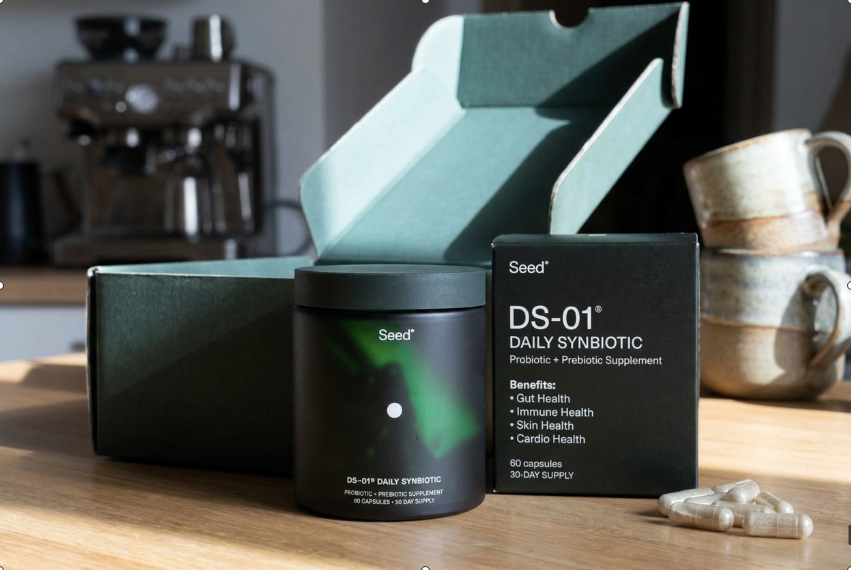
The relationship between probiotics and SIBO is one of the most debated topics in functional medicine. While some practitioners strictly avoid all probiotics during active SIBO treatment, others recognize that certain strains and formulations can support gut healing when used strategically.
As a Certified Holistic Nutritionist working with SIBO clients, I've developed a nuanced clinical approach: avoid probiotics during active antimicrobial treatment, but consider Seed as a powerful post-treatment maintenance tool once the overgrowth has been cleared.
Written by Daryl
Certified Holistic Nutritionist specializing in SIBO, gut health optimization, and integrative nutrition. This article reflects clinical experience working with hundreds of SIBO clients combined with current research on probiotic interventions.
The Controversy: Probiotics and SIBO
The use of probiotics for SIBO remains controversial for several important reasons:
- Bacterial Load Concern: Traditional probiotics can add millions of bacteria to an already overpopulated small intestine, potentially worsening symptoms.
- D-Lactate Production: Certain Lactobacillus strains produce D-lactate, which may contribute to brain fog, fatigue, and cognitive symptoms in SIBO patients.
- Fermentable Prebiotics: Most probiotic supplements contain FOS, inulin, or other prebiotic fibers that feed overgrown bacteria, creating more gas and bloating.
My Clinical Approach:
In my practice, I don't recommend any probiotic—including Seed—during active SIBO treatment (typically 4-6 weeks of herbal antimicrobials like Candibactin-AR/BR). However, once treatment is complete and symptoms have resolved, introducing a well-formulated probiotic like Seed can help prevent recurrence.
When to AVOID Seed During SIBO
There are specific situations where Seed (or any probiotic) should be avoided during SIBO treatment:
- Active Methane-Dominant SIBO (IMO): If you're currently treating methane overgrowth, adding more bacteria—even beneficial ones—can interfere with treatment.
- D-Lactate Concerns: If you've experienced D-lactate acidosis symptoms (severe brain fog, confusion, fatigue), the multiple Lactobacillus strains in Seed may not be ideal during active treatment.
- Hydrogen Sulfide SIBO: This type of SIBO often requires a different approach, and probiotic supplementation should be guided by comprehensive testing.
- During Antimicrobial Protocol: While you're taking herbal antibiotics or prescription rifaximin, focus on treatment rather than recolonization.
When Seed Makes Sense for SIBO
Seed DS-01 can be an excellent choice in these scenarios:
- Post-Treatment Maintenance: After completing your SIBO protocol and confirming eradication via breath test, Seed can help establish a healthy microbiome.
- Non-Fermenting Prebiotics: Unlike most probiotics that use FOS or inulin (which ferment and cause gas), Seed uses pomegranate punicalagins + pine bark polyphenols that don't feed overgrown bacteria.
- Spore-Based Support: The Bacillus strains in Seed's formula are spore-forming and don't colonize the small intestine—they pass through and support gut barrier function.
- SIBO-Prone Individuals: If you have recurrent SIBO or want to prevent future overgrowths, Seed's 24-strain formula offers comprehensive microbiome support.
Timing is Everything:
Wait 2-4 weeks after completing antimicrobial treatment before starting Seed. This allows your gut to stabilize and ensures the treatment was successful before introducing new bacterial strains.
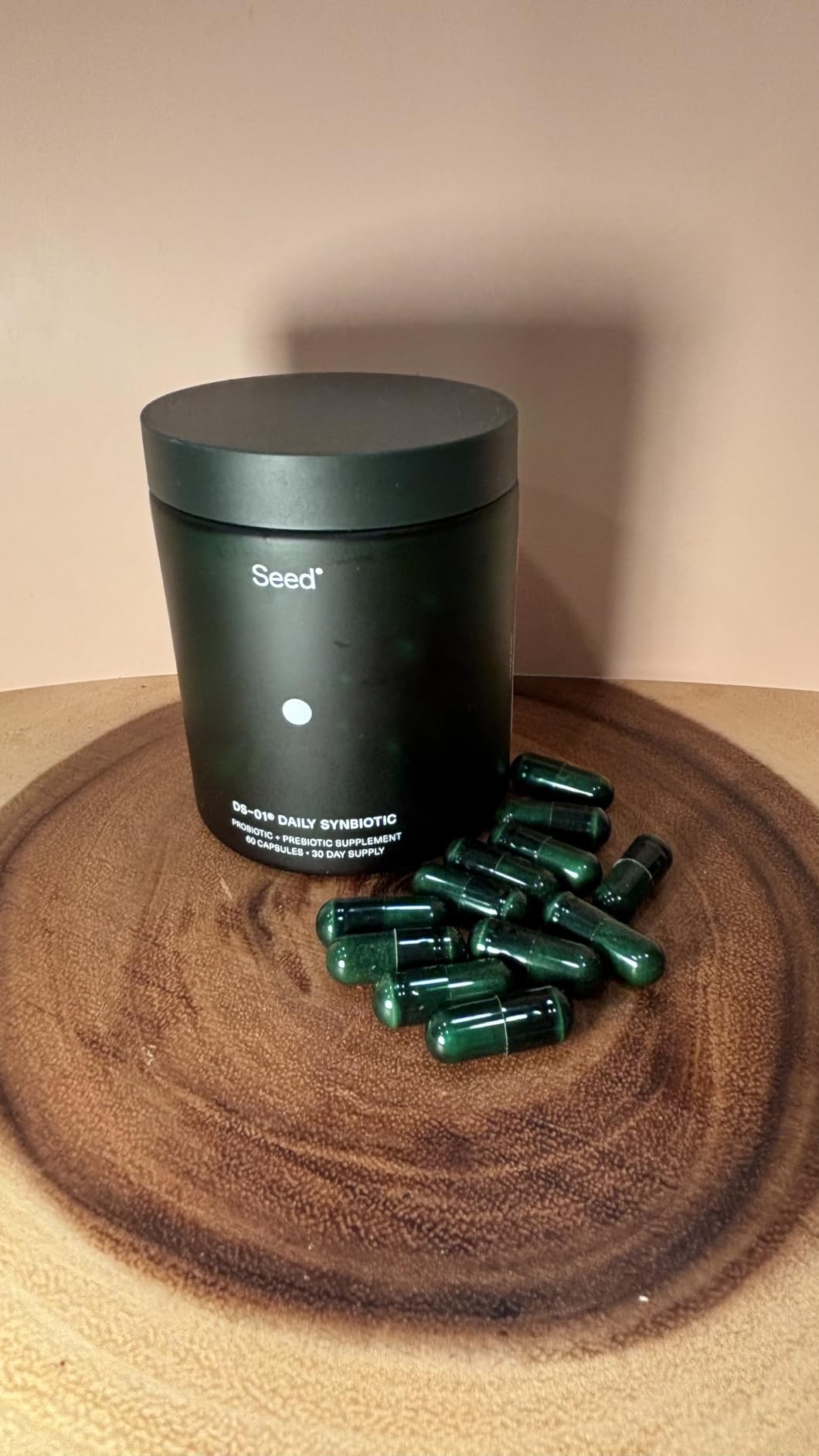
Seed DS-01: SIBO-Friendly Features
If you've completed SIBO treatment and are looking for a maintenance probiotic, here's why Seed stands out:
- Non-Fermenting Prebiotics: Pomegranate punicalagins + pine bark polyphenols won't trigger gas production.
- 53.6 Billion AFU: Potent, clinically-relevant colony-forming units across 24 specific strains.
- ViaCap® Technology: Capsule-in-capsule design protects bacteria through stomach acid to reach the intestines.
- Strain Diversity: 24 clinically-studied strains address multiple aspects of gut health.
- No Refrigeration Required: Convenient for long-term maintenance use.
Seed vs. Other Probiotics for SIBO
| Feature | Seed DS-01 | Typical Probiotic | Spore-Based Only |
|---|---|---|---|
| Prebiotic Type | Non-fermenting (Pomegranate + Pine Bark) | Fermentable (FOS/Inulin) | None or minimal |
| Strain Count | 24 Strains | 1-10 Strains | 4-5 Strains |
| Potency | 53.6 Billion AFU | 10-50 Billion CFU | 2-4 Billion CFU |
| SIBO Treatment Phase | Post-Treatment Only | Not Recommended | Possibly During Treatment |
My Recommended SIBO Protocol
Based on clinical experience, here's how I approach probiotic supplementation with SIBO clients:
Active Treatment Phase (Weeks 1-6)
Focus on antimicrobial treatment (Candibactin-AR/BR or prescription). Avoid all probiotics. Support with digestive enzymes like FODMATE if needed.
Waiting Period (Weeks 7-10)
Complete antimicrobial protocol. Wait 2-4 weeks before any probiotic introduction. Consider retesting with a breath test.
Maintenance Phase (Week 11+)
If breath test confirms successful treatment, introduce Seed DS-01 one capsule daily. Monitor for any adverse reactions.
Frequently Asked Questions
Can I take Seed probiotic if I have SIBO?
The answer depends on your SIBO status. If you have active SIBO with significant D-lactate concerns or hydrogen sulfide overgrowth, avoid Seed during treatment. However, Seed can be an excellent post-treatment maintenance tool once the overgrowth has been cleared, thanks to its non-fermenting prebiotic formula.
Why do some practitioners avoid probiotics during active SIBO?
Traditional probiotics may add more bacterial load to an already overcrowded small intestine, potentially worsening symptoms. Additionally, certain probiotic strains can produce D-lactate, which may contribute to brain fog and fatigue in some SIBO patients.
What makes Seed different for SIBO compared to other probiotics?
Seed uses non-fermenting prebiotics (pomegranate punicalagins + pine bark polyphenols) instead of fermentable fibers like FOS or inulin. This reduces the risk of feeding overgrown bacteria. However, the 24-strain formula still adds bacteria, which requires careful timing in a SIBO protocol.
When should I start taking Seed after SIBO treatment?
Most practitioners recommend waiting 2-4 weeks after completing antimicrobial treatment before introducing any probiotic, including Seed. This allows your gut to stabilize and ensures the overgrowth has been fully cleared before adding new bacterial strains.
Is Seed better than spore-based probiotics for SIBO?
Spore-based probiotics (like Just Thrive or Megasporebiotic) are sometimes used during SIBO treatment because they don't colonize the small intestine. However, Seed offers more comprehensive microbiome support for post-treatment maintenance. The best choice depends on your specific situation and should be guided by a practitioner.
Wait 2-4 Weeks
After treatment before starting
Non-Fermenting
Won't feed overgrown bacteria
53.6 Billion AFU
24 clinically-studied strains
For more details, read our Seed Probiotic Reviews or learn about best supplements for SIBO treatment.
Need personalized SIBO guidance? Schedule a consultation with our clinic.
Affiliate Disclosure: This page contains affiliate links. If you purchase through our links, we may earn a commission at no extra cost to you. This supports our clinic's ability to produce independent, evidence-based content.
Medical Disclaimer: This article is for educational and informational purposes only and does not constitute medical advice. SIBO treatment should be guided by a qualified healthcare provider. Always consult with your practitioner before starting any new supplement, especially when managing a condition like SIBO.
References
Seed DS-01 Clinical Trials
- Allegretti JR, et al. "A Randomized, Placebo-Controlled Trial Evaluating Multi-Species Synbiotic Supplementation for Bloating, Gas, and Abdominal Discomfort." Nutrients. 2026;18(2):255. https://doi.org/10.3390/nu18020255
- Napier BA, et al. "Multi-Species Synbiotic Supplementation Enhances Gut Microbial Diversity, Increases Urolithin A and Butyrate Production, and Reduces Inflammation in Healthy Adults." Nutrients. 2025;17(17):2734. PMID: 40944126. https://pubmed.ncbi.nlm.nih.gov/40944126/
- Grumet L, et al. "The Development of High-Quality Multispecies Probiotic Formulations: From Bench to Market." Nutrients. 2020;12(8):2453. https://www.mdpi.com/2076-2607/12/8/2453
Use code synctherapy for 15% off!