If you're struggling with persistent bloating, you've likely tried multiple probiotics only to find they make things worse. The frustrating cycle of trying to fix bloating with products that create more gas needs to stop. As a Certified Holistic Nutritionist who works with bloating clients daily, I understand how debilitating this condition can be.
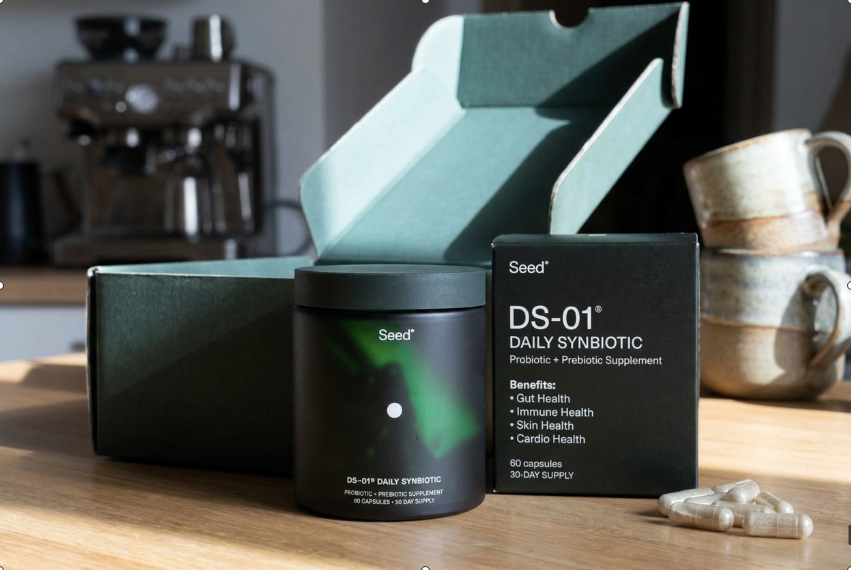
After years of clinical practice and reviewing hundreds of probiotic supplements, I recommend Seed DS-01 Daily Synbiotic as my top choice for bloating. Its unique non-fermenting prebiotic formula is the key differentiator that won't cause MORE bloating like traditional prebiotic fibers.
Written by a Certified Holistic Nutritionist
I hold certifications in holistic nutrition and use Seed DS-01 in my active clinical practice for clients dealing with chronic bloating, gas, and digestive discomfort. This review is based on direct client outcomes combined with peer-reviewed clinical evidence.
Why Traditional Probiotics Make Bloating Worse
Before explaining why Seed works differently, it's important to understand why most probiotics fail people with bloating:
- Fermentable Prebiotics: Most probiotic supplements use FOS, inulin, or other prebiotic fibers that gut bacteria ferment, producing hydrogen gas and causing abdominal distension.
- Strain Insufficiency: Many products contain only 1-10 strains, failing to address the complex microbial imbalances that cause chronic bloating.
- Poor Delivery: Standard capsules often dissolve in the stomach, killing the beneficial bacteria before they reach the intestines where they're needed.
Seed DS-01: The Non-Fermenting Solution
Seed DS-01 addresses each of these issues with a fundamentally different approach. The key differentiator is its non-fermenting prebiotic system using pomegranate punicalagins combined with pine bark polyphenols. Unlike FOS or inulin, these compounds don't produce gas during fermentation—they simply nourish the beneficial bacteria without creating the bloating you're trying to eliminate.
- Non-Fermenting Prebiotics: Pomegranate punicalagins + pine bark polyphenols won't trigger gas production.
- 53.6 Billion AFU: Potent, clinically-relevant colony-forming units across 24 specific strains.
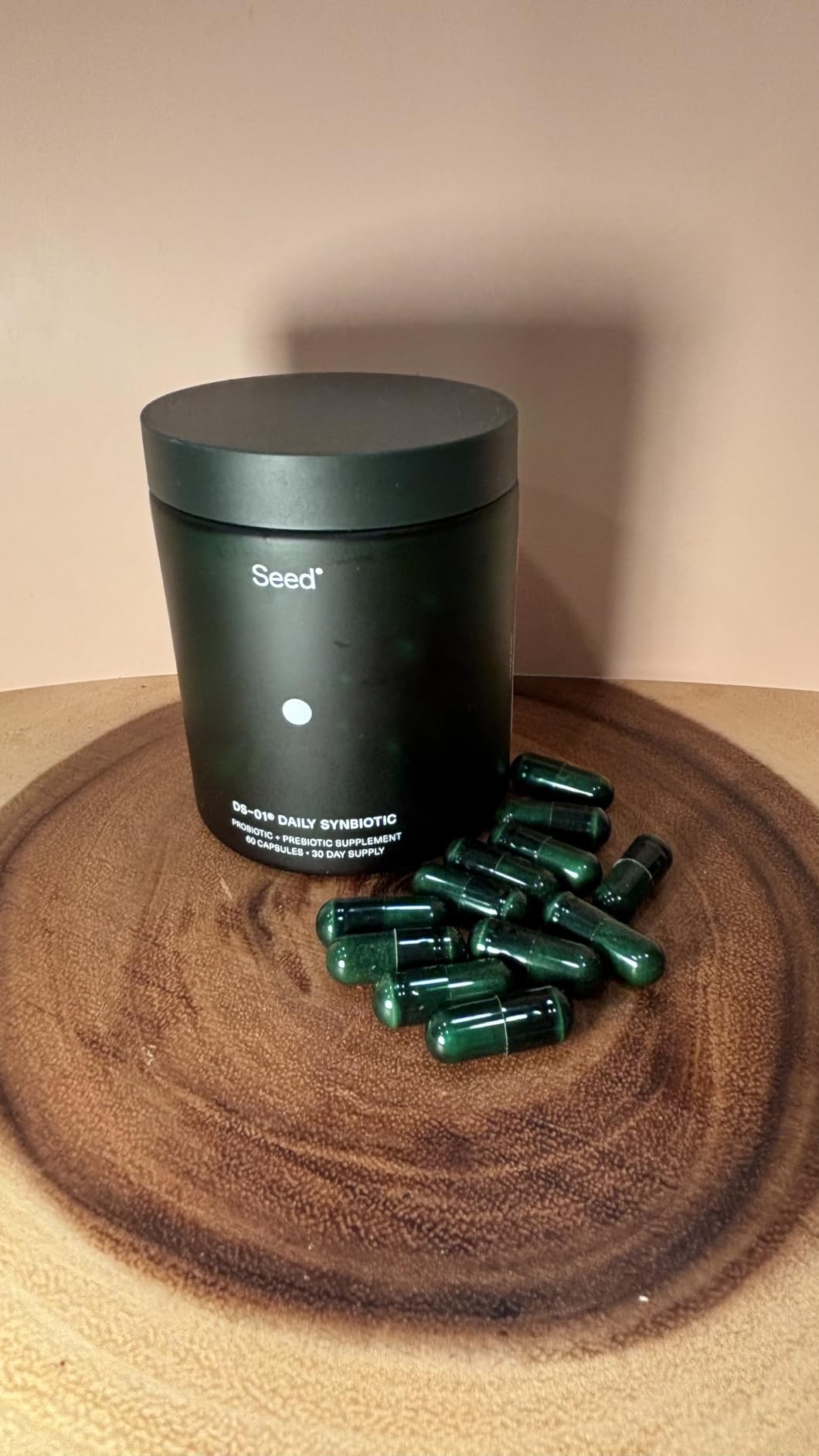
- ViaCap® Technology: Capsule-in-capsule design protects bacteria through stomach acid to reach the intestines.
- Strain Diversity: 24 clinically-studied strains address multiple aspects of gut health.
Understanding the Initial Adjustment Period
It's normal to experience mild, temporary bloating during the first 3-7 days of starting Seed DS-01. This isn't the same as the problematic bloating you're trying to fix—it's your gut microbiome adjusting to new bacterial strains.
How to minimize initial adjustment:
- Start with 1 capsule daily for the first 3 days
- Take with food to ease digestion
- Stay consistent—benefits typically appear within 7-14 days
- Drink plenty of water to support microbiome shifts
Seed DS-01 vs Other Bloating Supplements
| Feature | Seed DS-01 | Typical Probiotic |
|---|---|---|
| Prebiotic Type | Non-fermenting (Pomegranate + Pine Bark) | Fermentable (FOS/Inulin) |
| Strain Count | 24 Strains | 1-10 Strains |
| Potency | 53.6 Billion AFU | 10-50 Billion CFU |
| Delivery System | ViaCap® (Capsule-in-Capsule) | Standard Capsule |
Frequently Asked Questions
Why is Seed probiotic good for bloating?
Seed DS-01 is specifically formulated for bloating because it uses non-fermenting prebiotics (pomegranate punicalagins + pine bark polyphenols) instead of common fermentable fibers like FOS or inulin. This prevents the very gas production that causes bloating, while the 24-strain probiotic formula works to rebalance the gut microbiome.
Can Seed probiotic make bloating worse at first?
Some individuals experience mild, temporary bloating during the first 3-7 days of taking Seed. This is a normal adjustment period as your gut microbiome adapts to new bacterial strains. Starting with one capsule daily for the first three days can help minimize this initial adjustment.
How long does Seed take to relieve bloating?
Most individuals notice meaningful bloating relief within 7-14 days, though some experience improvement in as little as one week. The 2026 clinical trial showed significant improvements in bloating, gas, and abdominal discomfort over 6 weeks of consistent use.
What makes Seed different from other probiotics for bloating?
Seed differentiates itself through three key factors: 1) Non-fermenting prebiotics that don't produce gas, 2) 24 clinically-studied probiotic strains for comprehensive microbiome support, and 3) ViaCap® capsule-in-capsule technology that ensures survive through stomach acid to reach the intestines.
Non-Fermenting
Pomegranate + pine bark won't cause gas
24 Strains
Comprehensive microbiome support
53.6 Billion AFU
Clinically-relevant potency
For more details, read our Seed Probiotic Reviews or compare with other options in our Seed vs Ritual for Bloating guide.
Need personalized gut health support? Schedule a consultation with our clinic.
Affiliate Disclosure: This page contains affiliate links. If you purchase through our links, we may earn a commission at no extra cost to you. This supports our clinic's ability to produce independent, evidence-based content.
Medical Disclaimer: This article is for educational and informational purposes only and does not constitute medical advice. Probiotic supplementation should complement, not replace, guidance from a qualified healthcare provider. The author is a Certified Holistic Nutritionist—not a gastroenterologist. Always consult your doctor before starting any new supplement, especially if you have a diagnosed digestive condition.
Use code synctherapy for 15% off!