
Clinical Perspective: Recovery Modalities
As a Certified Athletic Therapist and RMT, I evaluate recovery tech based on its ability to accelerate tissue healing and reduce musculoskeletal inflammation. The insights in this article reflect my 12+ years of clinical practice integrating advanced modalities like photobiomodulation with hands-on manual therapy.
Red Light Therapy for Eyes: Vision Improvement, Eye Health & Dry Eye Relief
Discover how red light therapy for eye health can improve vision, relieve dry eyes, and support aging eyes. From red light therapy for dry eyes at home to clinical treatments for macular degeneration—learn safe, evidence-based protocols for red light therapy for eyesight improvement and eye wellness.
Key Takeaways: What You Need to Know
- Vision Improvement: Red light therapy for vision improvement shows FDA-authorized results for dry AMD, with clinical trials demonstrating improved visual acuity and reduced disease progression.
- Dry Eyes at Home: Red light therapy for dry eyes at home provides relief from meibomian gland dysfunction with emerging clinical evidence supporting its effectiveness.
- Aging Eyes Support: Red light therapy for aging eyes may enhance color contrast sensitivity and support mitochondrial function in people over 40.
- Optimal Wavelength: 660-670nm red light wavelengths show the strongest evidence for eye health benefits and eyesight improvement.
- Safety First: Recent 2025 studies reveal potential risks with prolonged exposure—professional guidance is essential for therapeutic use of red light therapy on eyes.
In This Article
Core Information
What Is Red Light Therapy for Eyes and Eye Health?
Red light therapy for eyes, also known as photobiomodulation (PBM), is an emerging therapeutic approach that uses specific wavelengths of red and near-infrared light to support eye health and treat various ocular conditions. Unlike the bright, potentially harmful light from lasers or screens, therapeutic red light therapy uses low-intensity light at wavelengths that penetrate tissue without causing thermal damage.
When considering red light therapy for eye health, it's important to understand that this represents a growing field with applications ranging from clinical treatment of serious eye diseases to at-home wellness protocols. According to a comprehensive 2025 review published in the International Journal of Ophthalmology, photobiomodulation in ocular therapy represents "significant potential in medicine especially in ocular diseases characterized by progress in research, technology, and clinical trials" [DOI]. Incorporating devices like Mitopro X can further enhance the benefits associated with red light therapy. The Mitopro X features and benefits include targeted light delivery, which can enhance cellular energy production and support overall eye health. Users report improvements in visual clarity and comfort, making it a valuable option for those seeking to optimize their ocular wellness.
Two Distinct Applications
1. Clinical Eye Treatment
FDA-authorized devices used under professional supervision to treat specific eye diseases like dry age-related macular degeneration (AMD), myopia in children, and dry eye disease. These involve direct light exposure to the retina.
2. Eye-Area Wellness
Consumer devices used around the eyes (with eyes closed and protected) for skin benefits like reducing wrinkles, dark circles, and puffiness. This does not treat internal eye conditions.
Important Distinction
This article primarily focuses on therapeutic applications for eye health conditions. If you're using red light for cosmetic purposes around the eyes, different safety protocols apply—always use protective eyewear and keep eyes closed.
How Does Red Light Therapy Work for Eye Health and Vision?
Understanding the mechanism behind red light therapy and eyes helps explain both its potential benefits and why caution is necessary. The eyes contain the highest concentration of mitochondria in the body—these cellular powerhouses produce the energy needed for vision and eye health.
The Science Behind Red Light Therapy for Your Eyes
When you use red light therapy for your eyes, specific wavelengths of red light (primarily 660-670nm) penetrate the eye and are absorbed by cytochrome c oxidase—a key enzyme in the mitochondria. According to PubMed research on red light therapy and mitochondrial function, this absorption triggers several beneficial effects for eye health:
Increased ATP Production
Boosts cellular energy production, helping retinal cells function more efficiently and resist age-related decline.
Reduced Oxidative Stress
Decreases harmful reactive oxygen species (ROS) that damage retinal cells, particularly important in AMD and diabetic retinopathy.
Enhanced Circulation
Improves blood flow to ocular tissues, delivering more oxygen and nutrients while removing waste products.
A 2025 review in Ophthalmic & Physiological Optics emphasizes that the therapeutic effects depend critically on proper dosing. The researchers note that "the 'low-level' moniker is inappropriate for a device that either exceeds or is just below the ANSI threshold for potential retinal hazard" [DOI]—highlighting that intensity matters significantly.
Can Red Light Therapy Improve Vision? What Science Says About Eyesight Improvement
One of the most common questions patients ask is: can red light therapy improve vision? The answer is nuanced and depends on the specific eye condition and what we mean by "improvement."
Red Light Therapy for Eyesight: Evidence-Based Results
Red light therapy for vision improvement has shown measurable benefits in specific clinical scenarios, supported by peer-reviewed research from PubMed:
Proven Vision Improvements
- Dry AMD Patients: Clinical improvements of 2+ lines on eye charts (e.g., 20/30 to 20/20 vision)
- Age-Related Decline: Enhanced color contrast sensitivity in adults 40+
- Low-Light Vision: Improved rod-mediated vision in dim conditions
- Myopia Control: Slowed progression preventing future vision loss in children
What It Won't Fix
- Existing refractive errors (nearsightedness, farsightedness)
- Cataracts or glaucoma (requires surgical intervention)
- Wet AMD (needs anti-VEGF injections)
- Structural damage from injury or advanced disease
Red light therapy for eyesight at home using consumer devices is primarily beneficial for general eye wellness and may support mitochondrial health in aging eyes, but it won't replace glasses or treat serious eye diseases. For therapeutic vision improvement targeting specific conditions, professional medical-grade devices in clinical settings are necessary.
The Mechanism Behind Vision Improvement
When we use red light therapy for aging eyes, the 660-670nm wavelengths penetrate to the retina and stimulate mitochondria in photoreceptor cells. This increased cellular energy production can:
- Improve the function of existing photoreceptor cells
- Slow down age-related mitochondrial decline
- Enhance metabolic efficiency in energy-demanding retinal tissue
- Support better signal transmission from retina to brain
Red Light Therapy for Dry Eyes: Relief at Home and Clinical Applications
Red light therapy for dry eyes represents one of the most accessible and well-researched applications for at-home eye care. If you struggle with dry, irritated, or gritty-feeling eyes, this emerging treatment may offer significant relief.
How Red Light Therapy Helps Dry Eye Disease
Most dry eye cases stem from meibomian gland dysfunction (MGD)—when the oil glands in your eyelids become blocked or don't produce enough lipids to prevent tear evaporation. Red light therapy for dry eyes at home addresses this root cause by:
- Warming meibomian glands: Low-level heat from red light helps liquefy thickened oils in blocked glands
- Reducing inflammation: Anti-inflammatory effects calm irritated eyelid tissues
- Improving circulation: Enhanced blood flow brings nutrients to glands and removes inflammatory debris
- Supporting tear production: Better gland function means more stable, longer-lasting tear film
Clinical Evidence for Dry Eye Relief
Multiple clinical trials have demonstrated that patients using low-level light therapy around the eyes experienced:
- Significant improvement in dry eye symptoms (burning, irritation, grittiness)
- Increased tear production measured objectively
- Better tear film stability and quality
- Improved meibomian gland function on imaging
- Enhanced quality of life scores
Using Red Light Therapy for Dry Eyes at Home
For at-home dry eye relief with red light therapy:
- Choose appropriate device: Look for masks or panels with 630-660nm wavelengths
- Position correctly: Device should be 6-12 inches from closed eyes
- Session duration: 10-15 minutes per session, 3-5 times per week
- Always protect eyes: Keep eyes closed and use provided eye protection
- Combine with warm compresses: Use before red light therapy to enhance gland expression
- Be consistent: Benefits typically appear after 2-4 weeks of regular use
When to See a Doctor
While red light therapy for dry eyes can be helpful, severe or sudden dry eye symptoms may indicate serious conditions requiring professional diagnosis. See an eye care professional if you experience severe pain, vision changes, discharge, or if symptoms persist despite home treatment.
Red Light Therapy for Eye Wrinkles and Under-Eye Rejuvenation
Beyond internal eye health, red light therapy for eye wrinkles and red light therapy for under eye wrinkles represents one of the most popular cosmetic applications of this technology. The delicate skin around your eyes responds particularly well to photobiomodulation.
How It Works for Skin Around the Eyes
When using red light therapy for eye wrinkles, the 630-660nm wavelengths penetrate the thin periorbital skin to stimulate fibroblasts—specialized cells that produce collagen and elastin. This triggers several anti-aging effects:
Collagen Production
Increased Type I and III collagen reduces fine lines and improves skin firmness around eyes
Enhanced Hydration
Improved circulation brings moisture to dehydrated under-eye area, reducing appearance of crepey skin
Dark Circle Reduction
Better blood flow reduces pooling and inflammation that causes dark under-eye circles
Expected Results for Eye-Area Skin
With consistent use of red light therapy for under eye wrinkles (3-5 sessions per week for 8-12 weeks), research and clinical experience show:
- Reduction in fine lines and crow's feet depth
- Improved skin texture and smoothness
- Decreased appearance of dark circles
- Reduced puffiness and under-eye bags
- More even skin tone around orbital area
- Enhanced skin firmness and elasticity
Safety for Cosmetic Eye Treatments
When using red light for cosmetic purposes around the eyes:
- Always keep eyes closed during treatment sessions
- Use protective eyewear if provided with your device
- Never look directly at LED panels, even briefly
- Start with shorter sessions (5-10 minutes) and gradually increase
- Maintain proper distance as specified by manufacturer (typically 6-12 inches)
Red Light Therapy and Eyes: Clinical Evidence by Condition
Red light therapy for your eyes shows varying levels of evidence for different conditions. Here's what the latest research reveals about therapeutic applications: Some studies suggest that red light therapy may enhance cellular function and promote healing in various ocular conditions, potentially leading to improved vision and reduced eye strain. Furthermore, emerging research is exploring red light therapy benefits for testosterone, indicating that this treatment might play a role in hormonal balance and overall well-being. As investigations continue, the therapeutic potential of red light therapy across different applications remains promising.
Red Light Therapy for Vision Improvement: Age-Related Macular Degeneration (AMD)
Evidence Level: Strong (FDA-Authorized)
Dry AMD represents the most compelling application of red light therapy for vision improvement. The FDA has authorized the Valeda Light Delivery System for treating early to intermediate dry AMD—a groundbreaking development since this condition previously had no effective treatment. This demonstrates how red light therapy for eyesight can produce measurable clinical benefits when used appropriately. In addition to its promising effects on eye health, red light therapy has gained attention for its potential therapeutic uses beyond vision. Emerging research suggests that the red light therapy benefits for thyroid health may offer a non-invasive approach to managing thyroid conditions, enhancing overall well-being. As scientists continue to explore its multifaceted applications, the versatility of red light therapy may pave the way for innovative treatments across various medical fields.
Clinical Trial Results for Vision Improvement:
- Slower progression to geographic atrophy (advanced AMD)
- Reduced drusen volume (waste deposits in the retina)
- Improved visual acuity, with some patients gaining 2+ lines on eye charts
- Benefits lasted approximately 6 months when treatment was repeated
A 2025 case report in Case Reports in Ophthalmology documented dramatic improvement in a 73-year-old patient who used daily home photobiomodulation for 8 months. The patient's visual acuity improved from 20/30 to 20/20, with "robust reduction in the total number and volume of drusen" [DOI]. This represents compelling evidence that red light therapy for aging eyes can provide real therapeutic benefits.
Important Note: This treatment is only for dry AMD. Wet AMD requires different interventions like anti-VEGF injections.
Myopia Control in Children
Evidence Level: Promising but Controversial
Repeated low-level red light (RLRL) therapy for childhood myopia has generated both excitement and concern in the ophthalmology community. Multiple studies from Asia show impressive results in slowing myopia progression.
Research Findings:
- 60-78% reduction in myopia progression compared to controls
- Significant reduction in axial eye elongation
- Increased choroidal thickness (protective against myopia)
- Treatment protocol: 3 minutes, twice daily, 650-670nm wavelength
A 2024 multicenter trial published in Ophthalmology found that RLRL "is a promising alternative treatment for myopia control in children with good user acceptability" [DOI]. The study highlights the potential of RLRL in slowing myopia progression, making it a viable option for pediatric patients. Furthermore, additional research, including an upcoming orion red light therapy review, is anticipated to provide further insights into the effectiveness and long-term benefits of this treatment modality. Parents and healthcare providers may find this information valuable when considering treatment plans for children with myopia.
Critical Safety Concern
However, a 2025 JAMA Ophthalmology study revealed concerning findings: children who used RLRL therapy for at least one year showed "reduced cone density in the paracentral fovea and other subtle retinal abnormalities" [DOI].
The American Academy of Ophthalmology currently advises caution, stating "there simply is not enough information to assess the safety of red light therapy, and the devices available in the US are not regulated and could damage your child's retina."
Dry Eye Disease
Evidence Level: Moderate (Emerging Research)
Low-level light therapy shows promise for dry eye disease, particularly related to meibomian gland dysfunction (MGD)—blocked oil glands in the eyelids that cause tear film instability.
Clinical trials have shown improvements in tear production, symptom relief, and eye surface health after a series of LED light treatments around the eyes. The therapy appears to work by improving meibomian gland function and reducing inflammation in the eyelid tissues.
Age-Related Vision Decline
Evidence Level: Preliminary (Small Studies)
Research from University College London found that brief exposure to 670nm red light improved color contrast sensitivity in people over 40 years old. Study participants received just 3 minutes of red light exposure once per week.
The improvements were most notable in blue color discrimination (tritan vision) and rod-mediated vision in low light. Researchers suggest this reflects improved mitochondrial function in aging photoreceptor cells.
Critical Safety Concerns: What the 2025 Research Reveals
While red light therapy shows therapeutic promise, recent research has identified important safety considerations that anyone considering this treatment must understand.
The Safety Paradox
Red light therapy operates in a narrow therapeutic window. Too little provides no benefit, while too much can cause harm. The challenge is that this window varies by individual, and we don't yet have enough long-term data to establish definitive safe limits.
Key Safety Findings from 2025 Research
1. Cone Density Reduction in Children
The 2025 JAMA study on myopia treatment found decreased cone photoreceptor density, particularly within 0.5mm of the foveal center in children who used RLRL therapy for over a year [DOI].
Clinical Significance: Loss of cone density could potentially affect sharp central vision over time, though long-term impacts remain unknown.
2. Device Safety Standards Exceeded
A radiometric assessment published in 2025 found that some consumer myopia control devices exceed American National Standards Institute (ANSI) safety limits for retinal exposure, particularly with larger pupil sizes [DOI]. Furthermore, the study raised concerns about the long-term implications of prolonged exposure to these devices, urging manufacturers to reconsider their designs to enhance safety. In light of these findings, a comprehensive infraredi red light panel review highlighted the necessity for stricter regulatory oversight on consumer products aimed at myopia management. Ongoing research is essential to ensure that such devices not only meet safety standards but also effectively address the rising prevalence of myopia in younger populations.
Clinical Significance: Unregulated consumer devices may deliver unsafe doses without proper monitoring.
3. Individual Variation in Response
Not all eyes respond the same way. Factors affecting safety include pupil size, iris color, existing eye conditions, and individual mitochondrial function.
Clinical Significance: One-size-fits-all protocols may not be appropriate—personalized assessment is crucial.
4. Lack of Long-Term Safety Data
Most studies have followed participants for only 6-12 months. We don't have data on effects after years of continuous use.
Clinical Significance: Unknown long-term risks, particularly in developing eyes of children.
Professional Guidelines
- American Academy of Ophthalmology: Recommends caution with red light therapy, especially for children. Advises proven interventions like low-dose atropine drops and orthokeratology lenses first.
- FDA Position: Only specific devices (like Valeda for AMD) are authorized for therapeutic use. Consumer devices are not regulated for treating eye conditions.
- Canadian Perspective: Health Canada has not specifically approved red light therapy devices for eye treatment beyond general wellness claims.
Understanding Devices & Treatment Protocols
The type of device and protocol you use dramatically affects both safety and effectiveness. Here's what you need to know:
Optimal Wavelengths for Eye Health
According to PubMed research on optimal wavelengths for therapeutic benefits, the most studied and effective wavelengths for ocular applications are: These wavelengths typically fall within the red and near-infrared spectrum, specifically around 600-900 nm. Devices like the platinum led biomax 900 features innovative designs that enhance light delivery, ensuring optimal penetration for therapeutic effects. Incorporating such technology can significantly improve treatment outcomes for various ocular conditions.
660-670nm (Red Light)
- Most research for AMD and age-related vision
- Good penetration to retinal layers
- Lower risk profile than near-infrared
- Used in FDA-authorized devices
650nm (Red Light - Myopia)
- Commonly used in myopia control studies
- Slightly shorter wavelength
- May have different penetration characteristics
- Requires precise dosing
About Near-Infrared (NIR)
While some studies use 810-850nm near-infrared light, research on 830nm showed no protective effects for retinal degeneration in one animal study. Additionally, a 1984 study linked prolonged NIR exposure to cataract development in industrial workers. For eye health, stick with the 660-670nm range which has the strongest safety profile.
Treatment Protocols by Application For Red Light Therapy At Home
AMD Treatment (Clinical Setting)
- Device: FDA-authorized Valeda Light Delivery System
- Duration: ~4 minutes per eye
- Frequency: Full treatment course every 4 months
- Setting: Professional medical office only
- Results: Benefits last approximately 6 months when repeated
Myopia Control (Controversial)
- Protocol: 3 minutes per session, twice daily
- Interval: Minimum 4 hours between sessions
- Wavelength: 650nm
- Duration: Ongoing (months to years)
- Critical Note: Safety concerns exist—only use under ophthalmologist supervision
Age-Related Vision Support
- Protocol: 3 minutes once per week in the morning
- Wavelength: 670nm
- Duration: 2 weeks for initial benefits
- Maintenance: Weekly sessions
- Note: Based on UCL research; not FDA-approved for this use
Who Should (and Shouldn't) Use Red Light Therapy for Eyes
Good Candidates
- Early to intermediate dry AMD patients seeking FDA-authorized treatment
- Adults over 40 experiencing age-related vision decline (under professional guidance)
- Dry eye disease patients who haven't responded to conventional treatments
- Those who can commit to regular professional follow-up and monitoring
Who Should Avoid
- Children without ophthalmologist supervision (myopia control safety concerns)
- People with retinal diseases other than dry AMD (could worsen condition)
- Anyone on photosensitizing medications (check with doctor)
- Those seeking DIY treatment without professional guidance
- Pregnant or breastfeeding women (insufficient safety data)
Before Starting Red Light Therapy for Eyes
- Get a comprehensive eye exam from an ophthalmologist or optometrist
- Discuss your specific condition and whether red light therapy is appropriate
- Ask about FDA-authorized options if applicable to your condition
- Understand the evidence for your specific condition—some have stronger support than others
- Consider conventional treatments first for conditions where proven therapies exist
- Ensure regular monitoring if you proceed with treatment
Best Red Light Therapy Devices for Eye Health & Eye-Area Wellness
If you're interested in using red light therapy for your eyes and the delicate skin around them—for benefits like reducing wrinkles, dark circles, dry eye relief, and supporting overall eye health—here are professional-grade options. Remember: for cosmetic and wellness use, keep eyes closed and protected. For therapeutic treatment of eye diseases, seek professional medical devices.
Rouge G4 Tabletop
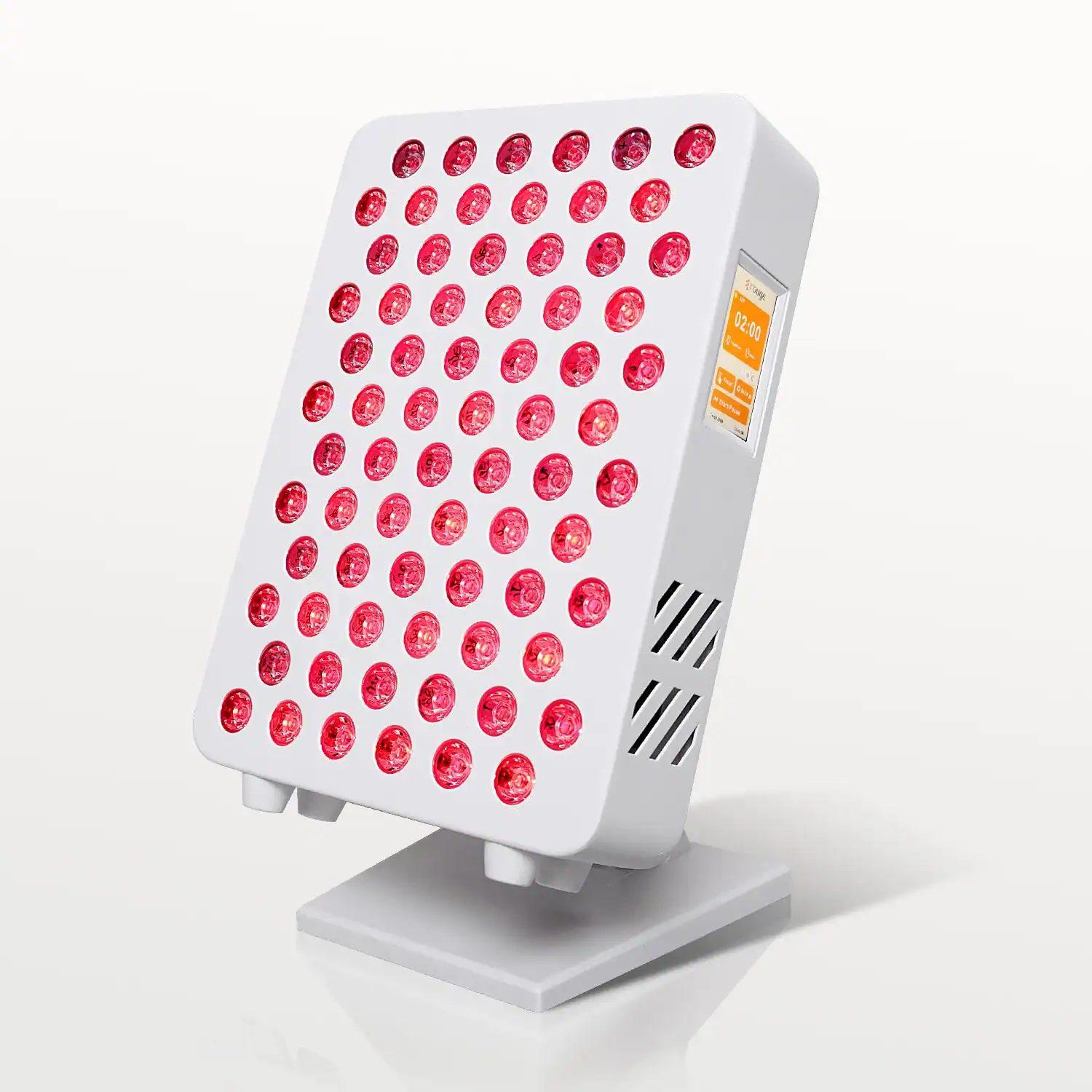
- Best For: Eye Health & Precision Treatments
- 8 Wavelengths (630-1060nm)
- Adjustable to 660nm-only mode
- Dimmable for safe eye-area use
- Smart app controls & timers
Perfect size for red light therapy for dry eyes and facial treatments. Can be set to emit only 660nm red light (closest to therapeutic wavelengths studied for eye health).
Read our full Rouge review
HigherDOSE Red Light Face Mask
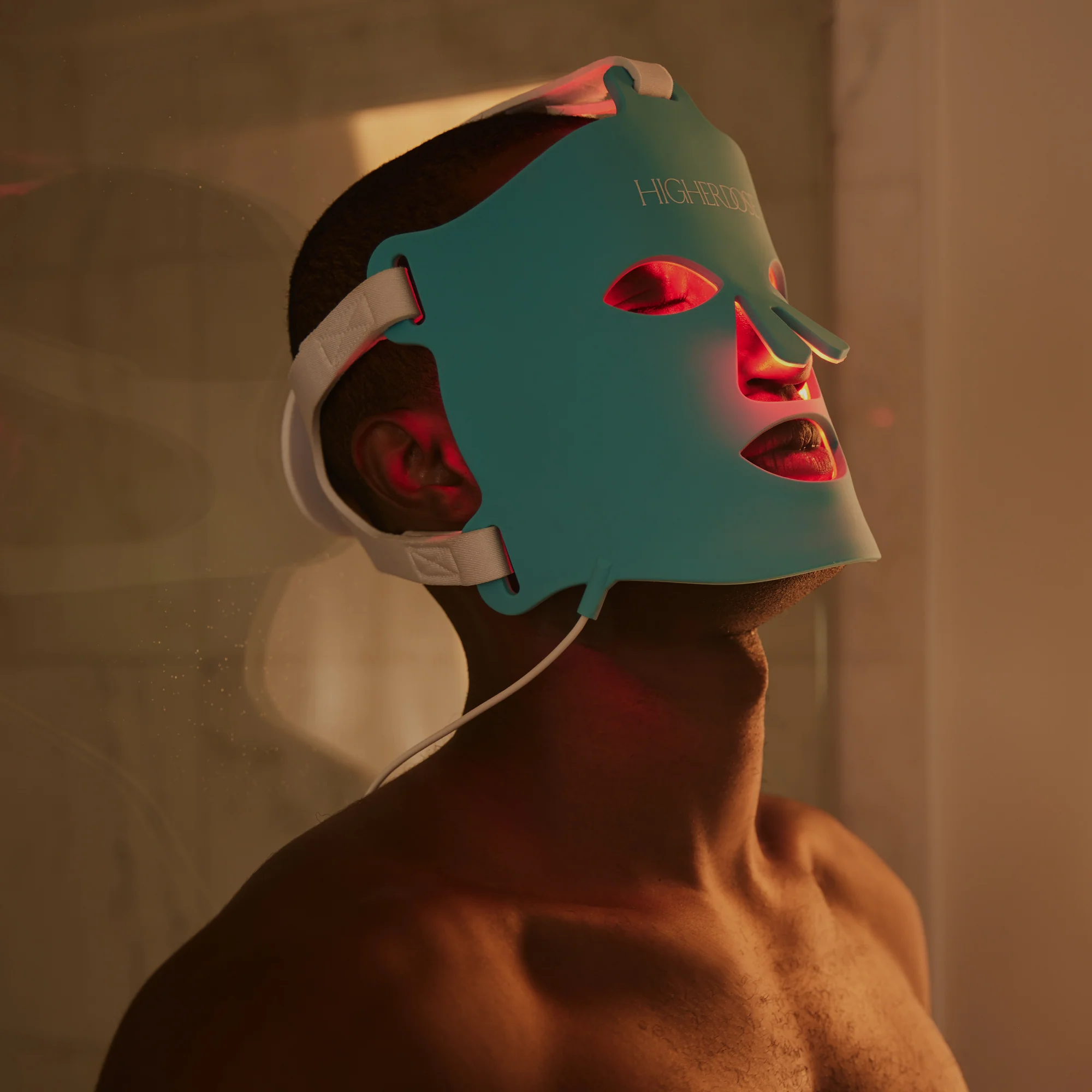
- Best For: Eye Wrinkles & Hands-Free Use
- Wearable LED mask design
- Red & near-infrared LEDs
- 10-minute auto shut-off
- Cordless & rechargeable
- Targets crow's feet & under-eye area
Designed specifically for red light therapy for eye wrinkles and under eye wrinkles. Hands-free convenience for consistent facial treatments. Use with eyes closed.
Read our full HigherDOSE mask review
Kala Pro Panel
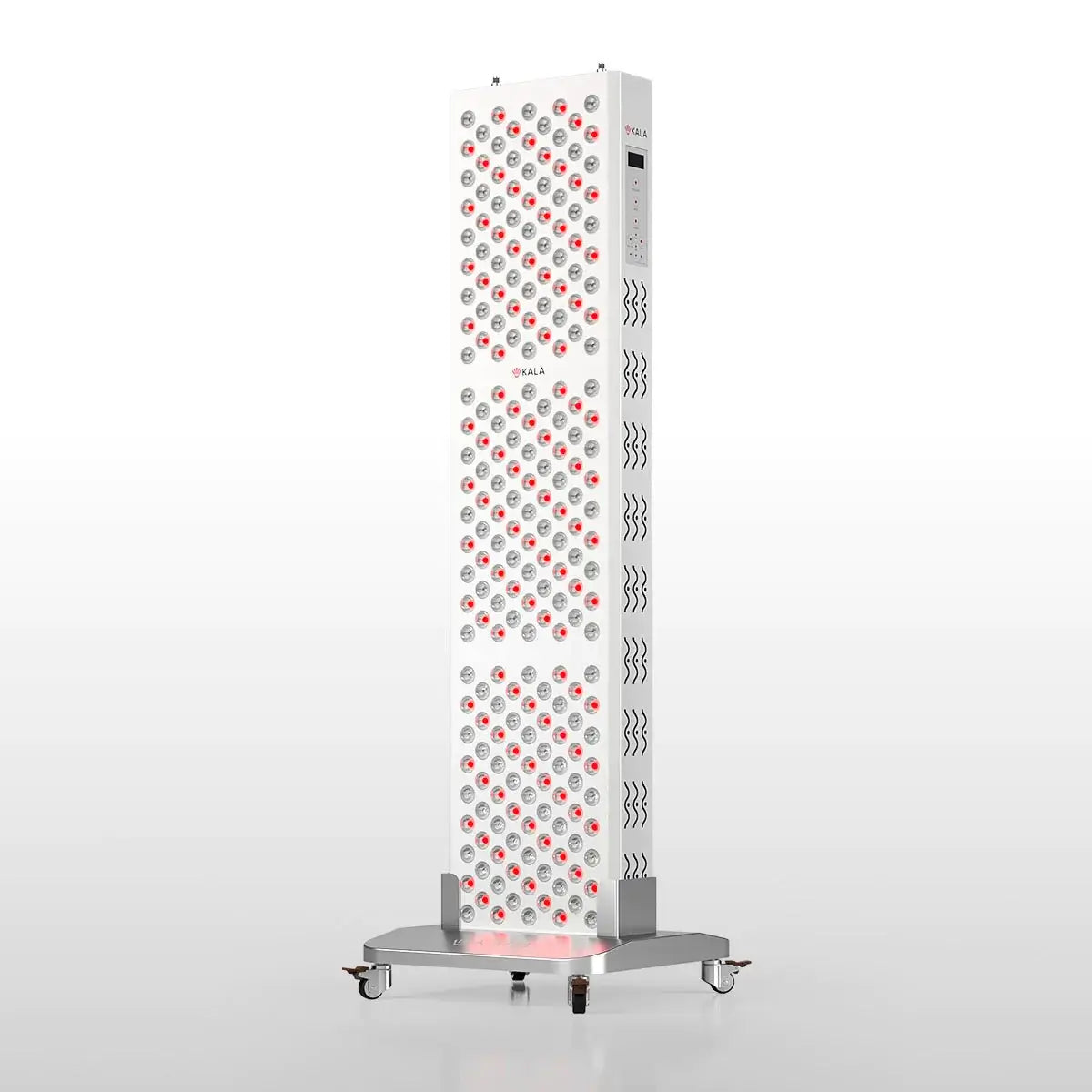
- Best For: Budget-Conscious Eye Care at Home
- FDA & Health Canada cleared
- 660nm + 850nm wavelengths
- Full-body panel at budget price
- Durable iron construction
Versatile panel suitable for red light therapy for eyesight at home, face, and full body. Position at appropriate distance and always protect eyes during facial treatments.
Read our full Kala review
Critical Safety Reminder for At-Home Use
- Eyes Closed: Always keep eyes closed during facial treatments
- Protective Eyewear: Use provided goggles or eye protection
- Never Stare: Do not look directly at LED panels
- Appropriate Distance: Follow manufacturer guidelines (typically 6-12 inches)
- Start Low: Begin with lower intensity and shorter sessions
- Not for Eye Diseases: These consumer devices are for wellness and cosmetic use—not for treating AMD, myopia, or other eye diseases without professional guidance
For more information on using red light therapy safely at home and proper protocols, see our comprehensive guides.
Frequently Asked Questions About Red Light Therapy for Eyes
Is red light therapy safe for eyes and eye health?
Red light therapy for eye health can be safe when used properly with appropriate wavelengths (660-670nm), correct dosing, and under professional guidance. However, recent 2025 research from JAMA Ophthalmology shows potential concerns including reduced cone density with prolonged use in children. For cosmetic use of red light therapy on eyes (skin benefits), always keep eyes closed and use protective eyewear. For therapeutic treatment of eye conditions, only proceed under ophthalmologist supervision with FDA-authorized devices.
What wavelength of red light is best for eye health and eyesight?
For red light therapy for eyesight and eye health, research indicates 660-670nm red light has the strongest evidence. This wavelength penetrates effectively to reach retinal mitochondria while minimizing potential damage. Specifically, 670nm has been extensively studied for AMD and age-related vision improvements, while 650nm is commonly used in myopia control research. Near-infrared wavelengths (810-850nm) have shown mixed results and may carry additional risks.
Can red light therapy improve vision and eyesight?
Yes, red light therapy for vision improvement has shown measurable results in specific conditions. For dry AMD, clinical trials show improvements of 2+ lines on eye charts (e.g., 20/30 to 20/20 vision). For age-related decline, studies demonstrate enhanced color contrast sensitivity in adults over 40. However, red light therapy for eyesight won't correct refractive errors (nearsightedness, farsightedness) or replace glasses. It works by improving the function of existing photoreceptor cells and supporting mitochondrial health in the retina.
How do I use red light therapy for dry eyes at home?
For red light therapy for dry eyes at home, use a mask or panel with 630-660nm wavelengths positioned 6-12 inches from closed eyes. Sessions should be 10-15 minutes, 3-5 times per week. Always keep eyes closed and use protective eyewear. The therapy helps by warming meibomian glands, reducing inflammation, and improving tear production. Benefits typically appear after 2-4 weeks of consistent use. Combine with warm compresses before sessions for enhanced results.
Does red light therapy work for eye wrinkles and under-eye wrinkles?
Yes, red light therapy for eye wrinkles and red light therapy for under eye wrinkles is well-supported by research. The 630-660nm wavelengths stimulate collagen production, improve skin hydration, and reduce dark circles. With consistent use (3-5 sessions per week for 8-12 weeks), expect reduction in fine lines, crow's feet, improved skin texture, and decreased puffiness around the eyes. Always use with eyes closed and protective eyewear for cosmetic eye-area treatments.
Should I use red light therapy on eyes with eyes open or closed?
This depends entirely on your purpose: For cosmetic/wellness use of red light therapy for your eyes (reducing wrinkles, dark circles, dry eye relief): Always keep eyes CLOSED and wear protective eyewear. For therapeutic treatment of eye conditions (AMD, myopia): This requires specialized FDA-authorized devices in a medical setting where eyes may be open under controlled conditions. Never look directly at consumer LED panels. The light can still provide benefits to skin and surrounding tissues with eyes closed.
How often should I use red light therapy for eyesight at home?
Frequency for red light therapy for eyesight at home depends on the application. For cosmetic use around eyes: 3-5 times per week, 10-20 minutes per session with eyes closed. For red light therapy for aging eyes (general wellness): Research suggests 3 minutes once per week in the morning may support mitochondrial function. For dry eye relief: 10-15 minutes, 3-5 times weekly. Always follow your healthcare provider's recommendations and start with shorter sessions to assess tolerance.
Can I use my regular red light therapy panel for eye treatments?
Consumer red light therapy panels (like those from brands we review) are designed for body treatments and cosmetic facial use—NOT for direct eye disease treatment. While you can safely use them for red light therapy for eye wrinkles, dry eye wellness, and skin benefits around the eyes (with eyes closed and protective eyewear), they are not FDA-authorized for treating eye conditions like AMD or myopia. For therapeutic eye treatment, you need specialized medical devices used in clinical settings.
Our Professional Recommendation: Red Light Therapy for Eyes and Vision
As healthcare professionals who've extensively researched red light therapy for eye health and vision improvement, we believe it represents an exciting frontier in eye care—but one that requires careful navigation between promise and caution.
✅ Clear Benefits For:
- Vision Improvement (AMD): FDA-authorized treatment showing real clinical benefits for dry AMD patients
- Dry Eyes at Home: Red light therapy for dry eyes provides measurable relief from MGD
- Eye Wrinkles: Red light therapy for eye wrinkles and under-eye wrinkles is well-supported
- Aging Eyes: Red light therapy for aging eyes may preserve function and support mitochondria
⚠️ Proceed with Caution:
- Myopia control in children: Promising but concerning safety signals with prolonged use
- DIY treatments: Unregulated devices may exceed safe exposure limits for direct eye therapy
- Long-term use: Insufficient data on effects beyond 1-2 years for therapeutic eye treatment
Using Red Light Therapy for Eyesight: Our Professional Advice
- If you have dry AMD, ask your ophthalmologist about FDA-authorized photobiomodulation for vision improvement—this is evidence-based medicine.
- For red light therapy for dry eyes at home, consumer devices can provide relief—just ensure you keep eyes closed and use protective eyewear.
- When using red light therapy for eye wrinkles or cosmetic benefits, always protect your eyes and follow safety protocols.
- For general support of aging eyes, discuss the emerging research with your eye doctor before trying any protocol.
- If considering red light therapy for eyesight at home for wellness, choose devices from reputable manufacturers with proper wavelengths (660-670nm).
- Stay informed about new research as this field evolves rapidly—what we know about red light therapy and eyes continues to expand.
Red light therapy for eyes shows genuine therapeutic potential backed by solid science. But unlike pain relief or skin treatments where the risk-benefit ratio is clear, eye treatments require greater caution given the irreplaceable nature of vision. When in doubt, prioritize professional guidance over DIY approaches—especially for serious eye conditions requiring therapeutic intervention.
Getting Started with Red Light Therapy for Your Eyes
Whether you're interested in red light therapy for eye health, vision improvement, dry eyes at home, or eye wrinkles, understanding the science and safety protocols is essential. Red light therapy for aging eyes offers exciting possibilities, from supporting mitochondrial function to reducing inflammation and improving circulation.
For those exploring red light therapy for eyesight at home, start with reputable devices like the Rouge G4, HigherDOSE Face Mask, or Kala Pro panels. Remember that red light therapy for dry eyes and cosmetic applications require eyes to remain closed with protective eyewear, while therapeutic treatment for serious eye diseases needs professional medical supervision.
The field of red light therapy and eyes continues to evolve with new research published regularly. Whether you're seeking red light therapy for under eye wrinkles, wondering can red light therapy improve vision, or looking for relief from dry eye symptoms, always prioritize safety and evidence-based protocols. Consult with your eye care professional before beginning any therapeutic protocol, and stay informed about the latest research in this promising field.
Recovery Resources
Explore More Recovery Tools
Browse our clinically reviewed guides on red light therapy, PEMF mats, and sauna blankets.
Browse Articles →