

Looking for the best red light therapy for neuropathy? As a Registered Massage Therapist and Certified Athletic Therapist who has treated neuropathy patients since 2013, I’ve personally tested and reviewed the devices that actually work. Whether you’re dealing with diabetic peripheral neuropathy, neuropathy in feet, or general nerve pain, this comprehensive guide covers the latest 2025 clinical research and my real-world recommendations for effective red light therapy treatment.
Key Takeaways: Red Light Therapy for Neuropathy
- Clinical Validation: 2025 evidence-based consensus confirms photobiomodulation is an effective treatment for peripheral neuropathy
- Best for Foot Neuropathy: Novaalab Light Boot — Wrap-around design for complete foot coverage
- Best Panel (Canada): Rouge G4 Pro — Dual wavelength, excellent value
- Best Panel (USA): PlatinumLED Biomax or Mito Red Light Pro X
- Optimal Wavelengths: 630-670nm (red) + 808-880nm (near-infrared) for deep nerve penetration
- Treatment Protocol: 15-20 minutes, 3-5x weekly, minimum 12 sessions for best results
What Is Red Light Therapy?
Red light therapy (also called photobiomodulation or low-level light therapy) uses specific wavelengths of red and near-infrared light to stimulate cellular healing deep within your tissues.
Unlike UV light or heat lamps, these therapeutic wavelengths penetrate through your skin to reach damaged nerves, triggering a cascade of healing responses at the cellular level.
Key Difference for Neuropathy
For neuropathy treatment, you need both red light (630-670nm) for surface inflammation AND near-infrared light (808-880nm) to reach deep nerve structures. Single-wavelength devices won’t penetrate far enough.
Novaalab Light Boot — Best Red Light Therapy for Foot Neuropathy
Editor’s Choice for Peripheral Neuropathy in Feet

Dual Wavelength • Wrap-Around Design • Portable
The Novaalab Light Boot is my top recommendation for anyone with peripheral neuropathy in feet. The wrap-around design ensures complete coverage of your foot—treating the top, bottom, and sides simultaneously.
- Complete foot coverage
- Dual wavelength (red + NIR)
- Hands-free treatment
- Portable & convenient
- Ideal for diabetic neuropathy
- Single use (feet only)
- Need two for both feet
- Not for full-body use
Why I Recommend It
Foot neuropathy is the most common form, and the wrap-around boot design treats all nerve pathways simultaneously. Panels require repositioning—boots don’t. For targeted foot neuropathy treatment, this is the most effective option.
In This Guide
What Is Neuropathy?
Neuropathy is a condition characterized by damage to the peripheral nerves—the network that transmits signals between your brain, spinal cord, and the rest of your body. When these nerves become damaged, communication breaks down, causing symptoms ranging from mild tingling to debilitating pain.
Peripheral neuropathy affects an estimated 25-30% of Americans at some point in their lives, with diabetic neuropathy being the most common form. According to research, diabetic foot neuropathy alone affects approximately 50% of people with diabetes (DOI: 10.1007/s11845-022-02958-3).
Common Neuropathy Symptoms
- Numbness or reduced sensation
- Tingling or “pins and needles”
- Burning or sharp pain
- Sensitivity to touch (allodynia)
- Muscle weakness
- Loss of coordination
- Difficulty walking
- Temperature sensitivity
Four Types of Neuropathy
| Type | Affects | Common Symptoms | Red Light Response |
|---|---|---|---|
| Peripheral | Hands, feet, legs, arms | Numbness, tingling, pain | Excellent response |
| Autonomic | Internal organs | Digestive, heart, bladder issues | Limited evidence |
| Focal | Single nerves | Sudden weakness, pain | Good response |
| Proximal | Thighs, hips, buttocks | Pain, weakness in legs | Good response |
Important: Left untreated, neuropathy can progressively worsen. Early intervention with treatments like red light therapy is crucial for preventing long-term complications.
Does Red Light Therapy Help Neuropathy? (2025 Research)
Yes—and the 2025 clinical evidence is remarkably strong.
A 2025 international expert consensus published in the Journal of the American Academy of Dermatology confirmed that “PBM is an effective treatment option for peripheral neuropathy” (DOI: 10.1016/j.jaad.2025.04.031).
Watch: Red Light Therapy Benefits for Neuropathy
This short video explains how red light therapy helps with neuropathy pain relief through photobiomodulation—the same mechanism validated in clinical research.
Latest Clinical Evidence (2025)
Evidence-Based Consensus: PBM Effective for Peripheral Neuropathy
A systematic literature review and Delphi consensus approach with 21 international experts confirmed photobiomodulation is a safe and effective treatment option for peripheral neuropathy.
Source: Journal of the American Academy of Dermatology, 2025
Dosimetry Review: Optimal Parameters Identified
A 2025 review of clinical studies identified optimal treatment parameters: wavelengths between 630-670nm and 808-904nm, fluences of 3-10 J/cm², and treatment protocols of at least 12 sessions.
Diabetic Neuropathy: Quality of Life Improvements
A randomized controlled trial found patients with diabetic polyneuropathy showed significant improvements in symptom scores and quality of life after low-power laser therapy treatment.
Comprehensive Review: Efficacy for Diabetes Complications
A 2024 review in the Annals of Medicine demonstrated that PBM utilizing red or near-infrared light shows efficacy for diabetic peripheral neuropathy and related complications.
Research-Backed Treatment Parameters
Optimal wavelength range (both red + NIR)
Energy fluence per treatment area
Minimum for consistent results
How Red Light Therapy Works for Neuropathy (The Science)
Red light therapy works through a process called photobiomodulation, which triggers healing responses at the cellular level when specific wavelengths of light interact with your cells.
1. ATP Production Boost
When red and near-infrared light reaches your cells, it’s absorbed by cytochrome c oxidase in the mitochondria. This triggers increased ATP (adenosine triphosphate) production—the energy currency cells need for repair and regeneration.
More ATP = faster nerve healing, better cellular function
2. Inflammation Reduction
Red light therapy reduces inflammation by decreasing pro-inflammatory cytokines (TNF-α, IL-1β) while increasing anti-inflammatory mediators (IL-10). This breaks the cycle of chronic inflammation driving neuropathy.
Less inflammation = reduced pain, slower nerve damage
3. Enhanced Blood Flow
The therapy triggers nitric oxide release, which relaxes blood vessels and improves circulation. Better blood flow delivers oxygen and nutrients to damaged nerves while removing inflammatory waste products.
Improved circulation = faster healing, reduced stiffness
4. Nerve Regeneration
Research shows red light therapy upregulates neurotrophic factors (NGF, NT-3, BDNF) and activates Schwann cells that form protective myelin sheaths around nerves. A 2025 study confirmed significant neural regeneration in damaged tissue (DOI).
Nerve growth factors = actual nerve repair and regeneration
Why This Matters for Neuropathy
Unlike pain medications that mask symptoms, red light therapy addresses root causes: cellular dysfunction, chronic inflammation, poor circulation, and nerve degeneration. This is why benefits often continue building even after treatment—your cells are actually healing.
Benefits of Red Light Therapy for Neuropathic Pain

Pain Relief
Triggers nitric oxide release, reducing pain signals. Clinical trials show significant VAS pain score reductions after consistent treatment.
Nerve Regeneration
Stimulates production of nerve growth factors (NGF, BDNF) and activates Schwann cells that rebuild myelin sheaths around damaged nerves.
Reduced Inflammation
Decreases pro-inflammatory cytokines while boosting anti-inflammatory compounds, breaking the cycle of chronic nerve inflammation.
Increased Blood Flow
Nitric oxide release dilates blood vessels, delivering oxygen and nutrients to damaged nerves while removing metabolic waste.
Enhanced Cellular Energy
Boosts ATP production in mitochondria, giving damaged nerve cells the energy resources needed for repair and regeneration.
Safe & Non-Invasive
No drugs, no surgery, minimal side effects. 2025 consensus confirms red light therapy is safe even during cancer treatment.
Related: Red light therapy also helps fibromyalgia, another chronic pain condition with nerve-related symptoms.
Best Red Light Therapy for Neuropathy: Quick Comparison (2026)
| Device | Type | Wavelengths | Best For | Region |
|---|---|---|---|---|
| Novaalab Light Boot ⭐ | Boot/Wrap | Red + NIR | Foot neuropathy, diabetic neuropathy | USA/Canada |
| Rouge G4 Pro | Panel | 660nm + 850nm | Full body, multiple areas | 🇨🇦 Canada |
| PlatinumLED Biomax | Panel | 5 wavelengths | Premium treatment, deep penetration | 🇺🇸 USA |
| Mito Red Light Pro X | Panel | 660nm + 850nm | Excellent value, proven quality | 🇺🇸 USA |
| Kala Red Light | Panel | 660nm + 850nm | Budget-friendly, Canadian | 🇨🇦 Canada |
⭐ = Editor’s Choice for Foot Neuropathy | All devices feature dual wavelength technology
Best Red Light Therapy Devices for Neuropathy: Detailed Reviews
1. Novaalab Light Boot — Best for Foot Neuropathy
EDITOR’S CHOICEThe Novaalab Light Boot is specifically designed for treating neuropathy in feet—the most common location for peripheral nerve damage. The wrap-around boot design ensures complete coverage of your entire foot, treating all nerve pathways simultaneously.
For diabetic patients or anyone with peripheral neuropathy affecting their feet, this targeted approach delivers the therapeutic wavelengths directly where you need them most.
What I Like
- Complete 360° foot coverage
- Dual wavelength (red + near-infrared)
- Hands-free treatment
- Portable and convenient
- Treats top, bottom, and sides
What Could Be Better
- Only treats feet (not multipurpose)
- Need two units for both feet
- Won’t work for hand neuropathy
My Clinical Recommendation
For patients with diabetic peripheral neuropathy or any neuropathy primarily affecting the feet, the boot design is superior to panels. You don’t need to reposition it during treatment, and it treats all nerve pathways at once. This is my go-to recommendation for foot-specific neuropathy.
2. Rouge G4 Pro — Best Panel for Canadians
🇨🇦 CANADA PICKThe Rouge G4 Pro is my top panel recommendation for Canadians dealing with neuropathy. It delivers the therapeutic wavelengths (660nm + 850nm) at medical-grade power levels, and you avoid international shipping headaches and duties.
The panel format is versatile—you can treat your feet, hands, legs, or any area affected by neuropathy. For those with neuropathy in multiple locations, a panel offers flexibility that wraps don’t.
What I Like
- Canadian company (no duties/delays)
- 660nm + 850nm dual wavelength
- Treat multiple body areas
- Medical-grade power output
- Excellent build quality
What Could Be Better
- Requires positioning (not hands-free)
- Can’t wrap around joints
- Need to reposition for full coverage
Canadian shipping • No duties • Excellent support
3. Infraredi — Another Great Canadian Option
Infraredi offers both panels and joint wraps, making them versatile for neuropathy treatment. Their products are Health Canada licensed, which adds credibility and assurance of quality standards.
If you want a combination approach—using wraps for targeted treatment and panels for broader coverage—Infraredi’s product range lets you build a complete home treatment system.
4. Kala Red Light — Budget-Friendly Canadian Option
Kala Red Light offers excellent value for Canadians on a budget. They deliver the therapeutic wavelengths needed for neuropathy treatment at a more accessible price point.
While the power output may be slightly lower than premium options, for consistent daily use treating neuropathy, Kala devices can still deliver results—you just might need slightly longer treatment sessions.
5. PlatinumLED Biomax — Premium USA Option
🇺🇸 USA PICKThe PlatinumLED Biomax Series is the premium choice for Americans. It offers five different wavelengths (630nm, 660nm, 810nm, 830nm, 850nm) for comprehensive treatment at various tissue depths.
For neuropathy, the multiple near-infrared wavelengths ensure you’re reaching nerve structures at different depths. This is particularly valuable for severe or deep-seated neuropathy.
6. Mito Red Light Pro X — Excellent USA Value
I personally own the Mito Pro 750X and am amazed by its quality. The Mito Red Light Pro X Series delivers medical-grade wavelengths at therapeutic power levels—exactly what clinical research shows works for neuropathy.
The half-body sized panels are particularly versatile for treating multiple areas affected by neuropathy. For Americans looking for proven quality at a reasonable price, this is my recommendation.
Red Light Therapy for Diabetic Neuropathy
Diabetic peripheral neuropathy (DPN) represents the strongest application for red light therapy. It affects approximately 50% of people with diabetes and is the most common cause of neuropathy overall.
2025 Clinical Evidence for Diabetic Neuropathy
A comprehensive 2025 review on photobiomodulation for diabetes and its complications found consistent therapeutic effects:
- Significant improvements in pain levels and quality of life
- Optimal parameters: 630-670nm + 808-904nm wavelengths
- Fluences of 3-10 J/cm² with at least 12 treatment sessions
- PBM shows efficacy for diabetic peripheral neuropathy specifically
Why Diabetic Patients Respond Well
Red light therapy addresses multiple aspects of diabetic complications simultaneously:
Improved Circulation
Diabetics often have compromised blood flow. Red light therapy’s nitric oxide release helps improve circulation to peripheral nerves.
Reduced Inflammation
Chronic inflammation drives diabetic neuropathy progression. PBM helps break this cycle by modulating inflammatory responses.
Cellular Energy
Diabetes affects cellular energy production. ATP boost from red light therapy helps nerve cells function and repair properly.
Drug-Free Option
Many diabetics already take multiple medications. Red light therapy offers relief without adding more drugs to the mix.
Related: PEMF therapy is another non-invasive option for neuropathy that can complement red light treatment.
Red Light Therapy for Neuropathy in Feet

Foot neuropathy is the most common location for peripheral nerve damage—and fortunately, it responds particularly well to red light therapy. The nerves in your feet are relatively close to the skin surface, allowing optimal light penetration.
What Patients Report After Treating Foot Neuropathy
- Reduced tingling and numbness
- Decreased burning pain
- Improved temperature sensation
- Better balance and proprioception
- Decreased sensitivity to touch (allodynia)
- Improved sleep quality
Why Boots Beat Panels for Foot Neuropathy
For foot-specific neuropathy, the Novaalab Light Boot or similar wrap designs have a significant advantage: they treat the entire foot simultaneously without repositioning. Panels require you to treat the top, then reposition for the bottom and sides—boots do it all at once.
Treatment Tips for Foot Neuropathy
- Treat both feet during each session (neuropathy often affects both)
- Clean, dry feet before treatment (no lotions that block light)
- 15-20 minutes per foot, 3-5 times per week
- Consider treating before bed—many report better sleep after sessions
- Track your symptoms in a journal to monitor progress
Learn more: Complete guide to using red light therapy at home
How to Use Red Light Therapy for Neuropathy
Recommended Treatment Protocol
| Phase | Frequency | Session Length | Duration |
|---|---|---|---|
| Initial Treatment | Daily or 5x/week | 15-20 minutes per area | 4-8 weeks (minimum 12 sessions) |
| Maintenance | 3-5x per week | 15-20 minutes per area | Ongoing |
| Acute Flare-Up | 1-2x daily | 10-15 minutes | Until improved |
Step-by-Step Instructions
Do:
- Clean skin (remove lotions, oils)
- Position device 6-12 inches from skin
- Treat all affected areas (front, back, sides)
- Stay consistent—daily use beats occasional
- Track symptoms to monitor progress
- Stay hydrated before and after
Don’t:
- Use over open wounds or infections
- Apply lotions before treatment
- Look directly at the light
- Expect overnight results
- Skip sessions (consistency is key)
- Use without protective eyewear
Timeline for Results
Most people notice initial improvements within 2-6 weeks of consistent use. Complete nerve regeneration takes time—expect several months for substantial results. Research shows protocols of at least 12 sessions produce the most consistent therapeutic effects.
More details: How often should you use red light therapy?
Best Wavelengths for Neuropathy Treatment
Not all red light is created equal. For effective neuropathy treatment, you need specific wavelengths that penetrate to the proper depth.
Red Light (630-670nm)
Penetration: 2-3mm into tissue
Targets: Surface inflammation, small sensory fibers, skin-level circulation
Best for: Tingling, surface numbness, skin-related symptoms
Near-Infrared (808-880nm)
Penetration: 5-7cm deep into tissue
Targets: Deep nerve structures, joints, muscles
Best for: Deep nerve pain, proprioception issues, muscle weakness
Critical Point
For neuropathy treatment, you need BOTH wavelengths. Red light alone won’t penetrate deep enough to reach nerve structures. Near-infrared alone misses surface inflammation. The 2025 dosimetry review confirmed protocols using both 630-670nm AND 808-904nm showed the most consistent therapeutic effects.
Wavelengths to Avoid
- 700-780nm range shows less effectiveness for photobiomodulation
- Far infrared (heat lamps) — different mechanism, minimal PBM effect
- Single-wavelength devices that only offer red OR near-infrared
- Cheap devices with vague “red light” claims and no wavelength specifications
Is Red Light Therapy Safe for Neuropathy?
Yes—red light therapy is considered safe for treating neuropathy with minimal side effects.
The 2025 expert consensus confirmed that “PBM is a safe treatment modality for adult patients and red light PBM does not induce DNA damage” (DOI: 10.1016/j.jaad.2025.04.031).
Safety Advantages
- Non-invasive (no needles, no surgery)
- Drug-free (no systemic side effects)
- No known serious adverse effects
- Safe even during cancer treatment
- Can use alongside other treatments
Precautions
- Wear eye protection during treatment
- Avoid treating active infections
- Consult doctor if on photosensitizing meds
- Don’t use over cancerous lesions
- Pregnant women should consult doctor
Potential Mild Side Effects
Side effects are rare and typically mild when they occur:
- Temporary warmth in the treatment area
- Mild skin redness that resolves quickly
- Occasional tiredness after sessions (usually temporary)
Red Light Therapy for Neuropathy FAQ
Does red light therapy help neuropathy?
Yes, red light therapy helps neuropathy through multiple clinically-validated mechanisms. A 2025 evidence-based consensus confirmed photobiomodulation is an effective treatment option for peripheral neuropathy. The therapy increases ATP production, improves blood flow, reduces inflammation, and stimulates nerve regeneration.
What is the best red light therapy for neuropathy?
For foot neuropathy specifically, the Novaalab Light Boot provides the best targeted treatment. For Canadians, I recommend the Rouge G4 Pro, Infraredi, or Kala. For Americans, the PlatinumLED Biomax or Mito Red Light Pro X are excellent choices.
How long does it take for red light therapy to help neuropathy?
Most people notice initial improvements within 2-6 weeks of consistent use. Clinical research shows optimal results with treatment protocols of at least 12 sessions (3-5 times per week). Complete nerve regeneration takes time, so continue treatment for several months for best results.
Can red light therapy help diabetic neuropathy?
Yes, diabetic peripheral neuropathy shows particularly strong responses to red light therapy. A 2025 clinical review found consistent therapeutic effects using wavelengths between 630-670nm and 808-904nm, with significant improvements in pain levels and quality of life after regular treatment.
Is red light therapy safe for neuropathy?
Yes, red light therapy is considered safe for treating neuropathy. The 2025 expert consensus confirmed that PBM is a safe treatment modality for adult patients and red light PBM does not induce DNA damage. Side effects are rare and typically mild, such as temporary warmth in the treatment area.
How often should you use red light therapy for neuropathy?
For optimal results, use red light therapy 3-5 times per week for 15-20 minutes per session. Research shows treatment protocols of at least 12 sessions produce the most consistent therapeutic effects. After achieving symptom relief, continue with maintenance sessions 2-3 times weekly.
What wavelength is best for neuropathy?
The most effective treatment combines both red light (630-670nm) and near-infrared light (808-880nm). Red light addresses surface inflammation while near-infrared penetrates deeper to reach nerve structures. A 2025 dosimetry review confirmed protocols using both wavelength ranges showed the most consistent therapeutic effects.
Can red light therapy reverse neuropathy?
Red light therapy can help regenerate damaged nerves and significantly improve symptoms, but complete reversal depends on the severity and underlying cause of neuropathy. The therapy stimulates nerve growth factors, activates Schwann cells, and promotes axonal regeneration. Results vary based on individual factors and treatment consistency.
Does red light therapy help neuropathy in feet?
Yes, foot neuropathy responds particularly well to red light therapy because the nerves are relatively close to the skin surface. Patients commonly report reduced tingling and numbness, decreased burning pain, improved temperature sensation, and better balance. For foot-specific treatment, wrap-around boot designs like the Novaalab Light Boot offer the best coverage.
Best Red Light Therapy for Neuropathy: Final Recommendations
Based on the 2025 clinical research and my experience treating neuropathy patients, here are my top picks:
Best for Foot Neuropathy
Novaalab Light Boot
Wrap-around design treats entire foot simultaneously
Best for Canadians
Rouge G4 Pro
Canadian company, no duties, excellent support
Best for Americans
PlatinumLED or Mito Red
Premium quality, proven clinical wavelengths
The 2025 research is clear: Red light therapy is an effective, safe, non-invasive treatment for peripheral neuropathy—when you use the right device with the right wavelengths and consistent treatment protocol.
Scientific References
This article is based on peer-reviewed research from PubMed. All studies cited:
- Maghfour J, et al. (2025). Evidence-based consensus on the clinical application of photobiomodulation. Journal of the American Academy of Dermatology. DOI: 10.1016/j.jaad.2025.04.031
- de Souza V, et al. (2025). Dosimetric parameters and clinical outcomes of photobiomodulation in diabetic neuropathy: a concise review. Lasers in Medical Science. DOI: 10.1007/s10103-025-04701-7
- Almasi MH, et al. (2025). Effectiveness of low-power laser therapy and low-frequency ultrasound in reducing pain in patients with diabetic polyneuropathy. Lasers in Medical Science. DOI: 10.1007/s10103-025-04720-4
- Wang K, et al. (2024). Photobiomodulation for diabetes and its complications: a review of general presentation, mechanisms and efficacy. Annals of Medicine. DOI: 10.1080/07853890.2024.2433684
- Anita L, et al. (2025). Photobiomodulation therapy for diabetic erectile dysfunction targeting neuroinflammation and neurovascular regeneration. Scientific Reports. DOI: 10.1038/s41598-025-04873-w
- Kumsa HT, et al. (2022). Early detection and treatment device for diabetic foot neuropathy. Irish Journal of Medical Science. DOI: 10.1007/s11845-022-02958-3
- Miranda MB, et al. (2025). Effects and parameterization of low-level laser therapy in diabetic ulcers: an umbrella review. Lasers in Medical Science. DOI: 10.1007/s10103-025-04366-2
Medical Disclaimer: This article is for informational purposes only and does not constitute medical advice. Red light therapy should not replace professional medical treatment. Consult your healthcare provider before starting any new treatment for neuropathy, especially if you have diabetes or other underlying health conditions. Individual results may vary.
Affiliate Disclosure: This page contains affiliate links. If you make a purchase through these links, I may earn a commission at no additional cost to you. I only recommend products I personally use and believe in.
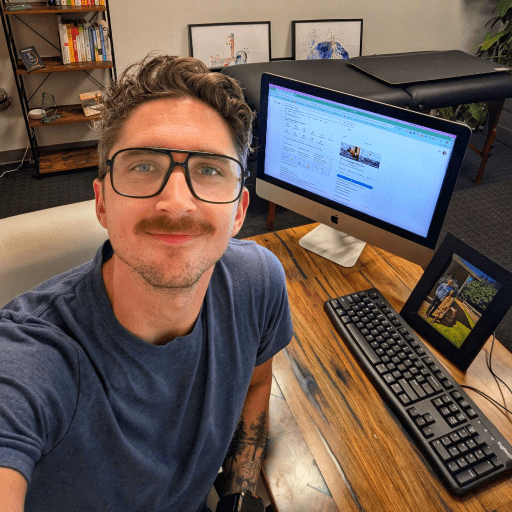
Daryl Stubbs
RMT • Certified Athletic Therapist • Holistic Nutritionist
Daryl Stubbs is the founder of Sync Therapy and an 8-time award-winning clinician. With over a decade of experience since graduating in 2013, Daryl specializes in combining hands-on massage therapy with advanced innovations like red-light therapy, hydrogen water and PEMF. He helps clients in Colwood, Langford, and Victoria, BC move better and reduce pain through targeted rehab and gut-health protocols.
Credentials & Recognition:
- Bachelor of Athletic & Exercise Therapy (Camosun College)
- Voted "Best Massage Clinic" & "Best Rehab Clinic" (Community Votes, 2022–Present)