Registered Massage Therapy (RMT) in Colwood, BC | Sync Massage Therapy
Serving Royal Bay, Langford & West Shore. RMT, Athletic Therapy & Holistic Nutrition — All Under One Roof.
If you're looking for massage therapy in Colwood, you're probably dealing with some kind of pain or stress that's affecting your daily life. Maybe it's that nagging shoulder pain from working at your computer all day, or maybe you just need to actually relax for once. Whatever brought you here, you're in the right place.
We've been helping people in Colwood, Langford, and across the West Shore feel better since 2017. Our clinic is right on Wale Road, and we see everything from weekend warriors who overdid it at Thetis Lake to folks who've been dealing with chronic pain for years. The thing is, massage therapy works when it's done right - and we mean really works, not just feels nice for a day.
Why People in Colwood Choose Massage Therapy
Here's what we notice: people wait way too long before getting help. They'll deal with neck pain for months, or they'll just accept that headaches are part of their life now. But here's the truth - most of this stuff can get better with the right treatment approach.
The West Shore is active. People here hike, bike, kayak, and work physically demanding jobs. That means bodies take a beating. Add in the stress of commuting to Victoria or long days at the computer, and you've got a recipe for muscle tension and pain.
Direct Billing Available For
Why Choose an RMT & Athletic Therapist?
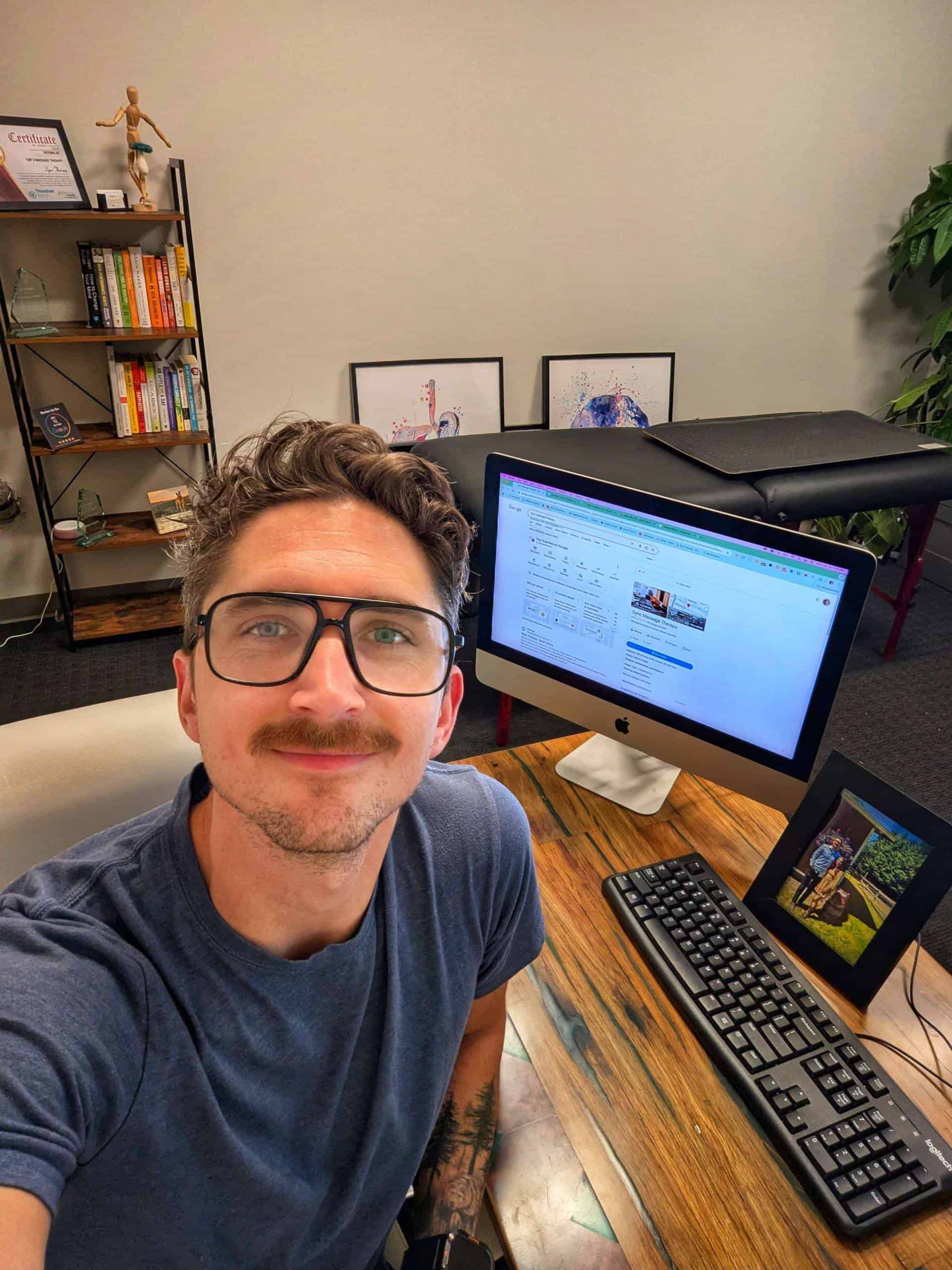
Meet Daryl Stubbs — Daryl brings a decade of clinical excellence to West Shore's most established community. His unique triple qualification in massage therapy, athletic therapy (graduated 2013), and holistic nutrition provides comprehensive care for Colwood's discerning residents.
We bridge the gap between relaxation and rehabilitation. We don't just rub where it hurts; we use orthopedic assessments to find out WHY it hurts, combining RMT with Athletic Therapy principles.
Daryl Stubbs
RMT • CAT(C) • Nutritionist
Loved by Locals
Kind Words from Our Patients
Recent 5-Star Reviews from your neighbors in Colwood & Langford.
Your First Visit Roadmap
We've simplified the process so you know exactly what to expect. No hidden fees, no confusing jargon—just a clear path to feeling better.
Comprehensive Assessment
We don't guess. We start with a full history and movement screen to identify the root cause of your pain—not just where it hurts.
Hands-On Treatment
Targeted soft tissue release, joint mobilization, and advanced manual therapy techniques designed to get you moving pain-free.
Your Recovery Roadmap
You leave with a clear plan. Specific exercises, home care advice, and a timeline for recovery so you're not dependent on therapy forever.
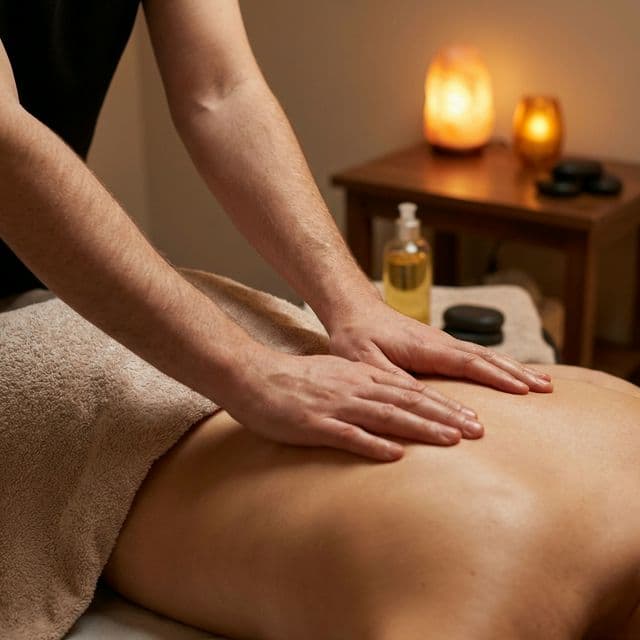
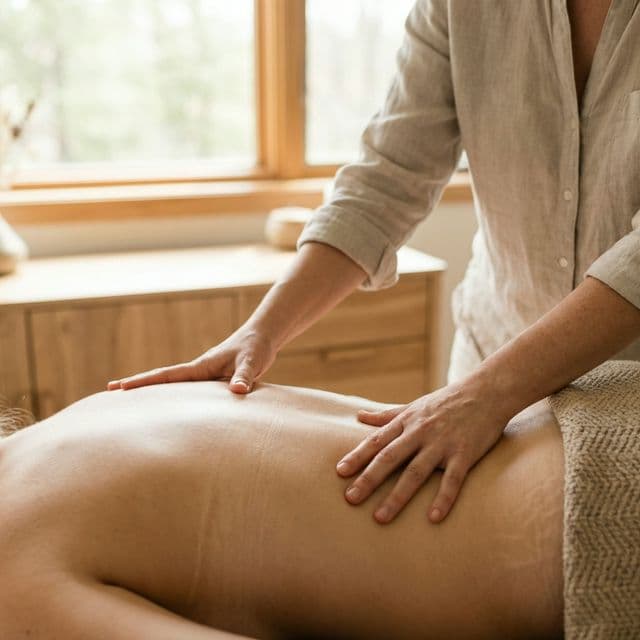
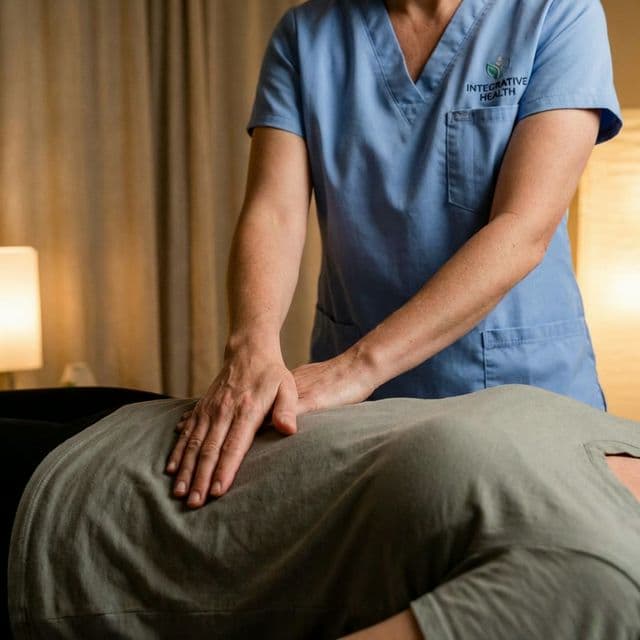
Therapeutic Modalities
Specialized techniques tailored to your specific recovery needs.

Common Conditions
Expert care for pain relief and long-term recovery.
Pricing For Massage Therapy In Colwood
Transparent pricing. No hidden fees. Direct billing available for most insurance providers.
75 Minute Massage
Ideal for addressing multiple areas or complex conditions.
- Extended hands-on time
- Deep tissue & relaxation focus
- Direct Billing Available
- Detailed assessment included
Initial Assessment
Required for all new patients to establish a baseline for care.
- Comprehensive health history review
- Orthopedic assessment
- Targeted treatment plan
- Hands-on treatment included
- Direct Billing Available
90 Minute Massage
The ultimate session for deep recovery and relaxation.
- Maximum hands-on time
- Full body restoration
- Combine deep tissue & relaxation
- Direct Billing Available
- Stress reduction focus
* GST is included in all prices. Rates are subject to change. Direct billing available to most insurance providers including Pacific Blue Cross, Sun Life, Manulife, Canada Life, and more.
Where is Sync Massage Therapy Located
Sync Massage Therapy
Sync Massage Therapy is located inside the Coastal Offices at the end of the Holiday Inn parking lot. Serving Colwood, Langford, and the West Shore community.
- Monday9:00am - 5:00pm
- Tue - Thu8:00am - 8:00pm
- Friday9:00am - 5:00pm
- Sat - SunClosed
Free parking available on site.
Common Questions About Massage Therapy in Colwood
Everything you need to know about booking an RMT appointment in the West Shore.
Where is your Colwood massage clinic located?
We are conveniently located at 328 Wale Rd #120 in Colwood, serving the entire West Shore community including Royal Bay, Langford, and Metchosin. Our clinic offers a calm, professional environment with ample free parking right outside.
Do you offer direct billing for Colwood residents?
Yes! We offer direct billing to most major insurance providers including Pacific Blue Cross, Canada Life, Manulife, Sun Life, and more. We handle the paperwork so you can focus on your recovery.
What types of massage therapy do you offer in Colwood?
Our Colwood clinic provides a comprehensive range of services including Deep Tissue Massage, Sports Massage, Myofascial Release, Trigger Point Therapy, and Relaxation Massage. We also offer Athletic Therapy for injury rehabilitation.
How quickly can I book an RMT appointment in Colwood?
We strive to offer flexible availability for our West Shore patients. You can view real-time availability and book instantly online through our Jane App system. We recommend booking in advance for evening and weekend slots.
Do I need a doctor's referral for massage therapy?
No referral is required to book an appointment at our Colwood clinic. However, check your specific insurance plan as some extended health benefits may require one for reimbursement.
Is there parking available at your Wale Rd location?
Absolutely. One of the benefits of our Colwood location is the stress-free parking. There is a large, free parking lot directly in front of the clinic, making your visit easy and accessible.