
Taking care of your health means looking at all parts of wellness, not just exercise and diet.
Many people overlook the benefits of regular massage therapy in their yearly health plans.
Adding sessions with a Registered Massage Therapist (RMT) can significantly improve both physical and mental well-being, making it a worthwhile addition to any comprehensive wellness strategy for 2025.

Research shows that massage therapy offers more than just relaxation.
RMTs provide specialized care that can help reduce chronic pain, improve sleep quality, and lower stress levels.
While some people view massage as a luxury, healthcare professionals increasingly recognize it as an important part of wellness programs that support overall health.
The wellness tourism industry, including spa services, is projected to grow significantly through 2025, showing increased interest in therapeutic massage services.
This trend reflects growing awareness of how massage therapy contributes to maintaining health rather than just treating problems after they develop. Many people now incorporate regular massage therapy into their general wellness and health maintenance regimens, recognizing its preventative benefits.
Understanding RMT Massage
Registered Massage Therapy is a specialized healthcare practice that works with the body’s soft tissues to promote wellness. The practice is grounded in scientific principles about how our bodies respond to touch and pressure.
Defining RMT and Its Scope
A Registered Massage Therapist (RMT) is a healthcare professional who has completed extensive education and clinical training in anatomy, physiology, and therapeutic techniques.
RMTs must meet specific certification requirements and typically need to complete 2,200-3,000 hours of training.
RMTs are qualified to assess and treat various conditions including muscle tension, injury recovery, and chronic pain. Their scope of practice extends beyond relaxation to include therapeutic interventions that impact psychological and physiological well-being.
Unlike casual massage, RMT services are often eligible for insurance coverage in many regions. This recognition highlights their role as legitimate healthcare providers rather than simply spa practitioners.
Physiology Behind Massage Therapy
Massage therapy works through several physiological mechanisms.
When a therapist applies pressure to muscles and soft tissues, it triggers increased blood circulation to the area, delivering oxygen and nutrients while removing waste products.
This process helps reduce inflammation and promotes healing. Massage also stimulates the parasympathetic nervous system, often called the “rest and digest” response, lowering stress hormones like cortisol while increasing endorphins and serotonin.
Recent research has expanded our understanding of how massage affects the body’s systems.
Physical manipulation of tissues can break down adhesions between muscle fibers and fascia, improving flexibility and range of motion.
Studies show massage therapy can decrease pain perception by activating pain-inhibiting pathways in the central nervous system, making it effective for both acute and chronic pain management.
Comparing RMT to Other Massage Techniques
RMT differs from other massage types in its medical focus and personalized treatment approach.
While deep tissue massage concentrates on realigning deeper muscle layers and connective tissue, RMT incorporates this technique as just one tool among many.
Hot stone massage uses smooth, heated stones to warm muscles and enhance relaxation. RMTs might include this method when appropriate but always within a broader treatment plan based on client assessment. The heat from the stones helps to increase blood flow and alleviate tension, providing a soothing experience for clients. Incorporating hot stone techniques can amplify the massage therapy benefits in Colwood, making it a popular choice among those seeking relief from stress and muscular pain. Additionally, this approach can be tailored to fit individual needs, ensuring a personalized and effective treatment.
Thai massage involves stretching and moving the body into various positions, whereas RMTs typically work with clients on a massage table using a variety of specialized techniques.
What sets RMT apart is its evidence-based approach.
Treatment plans are developed after thorough assessment and modified based on client progress. This clinical focus ensures therapy addresses specific issues rather than following a one-size-fits-all approach.
Health Benefits of Regular RMT Massage
Registered Massage Therapy (RMT) offers numerous evidence-based health benefits that extend beyond simple relaxation. Research shows that consistent massage treatments provide targeted relief for physical ailments while supporting mental wellbeing.
Chronic Pain Alleviation
RMT massage effectively addresses chronic pain conditions through targeted techniques that release muscle tension. The therapist applies precise pressure to trigger points and tight muscle bands that contribute to ongoing discomfort.
Studies indicate that regular massage sessions can reduce pain intensity in conditions like lower back pain, fibromyalgia, and arthritis. Additionally, incorporating massage therapy into a comprehensive pain management plan can enhance overall well-being and mobility. For those seeking effective back pain treatment options in victoria, various holistic approaches, including regular massage, have shown promising results. Moreover, engaging in self-care practices and exploring complementary therapies may further alleviate discomfort and promote healing.
Many patients report decreased reliance on pain medications after establishing a consistent RMT routine.
The benefits are cumulative. While a single session provides temporary relief, weekly or bi-weekly treatments over several months create lasting improvements in pain levels and mobility.
For optimal results, RMT practitioners typically recommend an initial treatment plan of 4-6 sessions, followed by maintenance appointments tailored to individual needs.
Stress Relief and Mental Health
RMT massage triggers significant physiological changes that combat stress. During treatment, cortisol levels decrease while serotonin and dopamine increase, creating a neurochemical environment that supports mental wellbeing.
This biochemical shift helps reduce symptoms of anxiety and depression. The psychological and physiological well-being benefits extend beyond the treatment room, with effects lasting days after each session.
Regular massage also improves sleep quality by relaxing the nervous system and reducing insomnia triggers. Better sleep further enhances mental resilience and emotional stability.
The therapeutic touch component of RMT provides valuable human connection, which research links to improved mental health outcomes, especially important for those experiencing isolation.
Boosting Circulation and Physical Health
RMT techniques significantly enhance blood and lymphatic circulation throughout the body. The applied pressure and manipulation move blood through congested areas and bring fresh oxygen to tissues.
This improved circulation accelerates healing of injured muscles and reduces recovery time after intense physical activity. Athletes often incorporate regular massage as part of a wellness-seeking regimen to maintain peak performance.
The lymphatic benefits also strengthen immune function by promoting efficient removal of metabolic waste and pathogens from body tissues.
RMT helps improve posture by releasing chronically tight muscles that pull the skeleton out of alignment. This postural correction prevents future injuries and reduces strain on joints and connective tissues.
Regular treatments also increase range of motion and flexibility, making everyday movements more efficient and comfortable while decreasing injury risk.
Incorporating RMT into Your Wellness Plan
Adding registered massage therapy to your wellness routine requires thoughtful planning and consideration of your specific health needs. Proper integration can maximize benefits while supporting your overall health goals.
Aligning RMT with Lifestyle Choices
Regular massage therapy sessions can complement an active lifestyle by addressing muscle tension from exercise or sedentary work habits.
Many wellness experts recommend scheduling RMT appointments based on your activity level—athletes might benefit from bi-weekly sessions, while office workers may need monthly treatments to address posture-related issues.
Consider your daily routine when booking appointments. Morning sessions can energize your day, while evening appointments may improve sleep quality.
Wellness programs are increasingly incorporating massage therapy as a core component rather than an occasional luxury.
Coordinate RMT with other wellness activities for maximum benefit. Schedule massages after intense workouts to reduce recovery time or before stressful events to manage tension proactively.
Prevention and Maintenance Strategies
RMT works best as a preventative measure rather than only seeking treatment when pain becomes severe. Regular sessions help identify potential issues before they develop into chronic problems.
Create a consistent schedule—many therapists recommend 4-6 week intervals for maintenance. This frequency helps manage stress levels and prevents tension buildup in problem areas.
Integrating massage therapy into your health routine provides ongoing benefits rather than temporary relief. Some practitioners now offer wellness packages designed for long-term care rather than single sessions.
Communicate clearly with your RMT about health goals. Provide feedback about what techniques work best for your body. This collaboration ensures each massage session targets your specific needs. Additionally, discussing any changes in your condition or new goals will help your RMT tailor their approach. For those interested in a more comprehensive understanding, an athletic therapy services overview can provide insights into additional techniques and approaches that may benefit your overall health and performance. Open communication leads to more effective treatments and ultimately enhances your wellness journey.
Track your progress through a wellness journal to notice improvements in flexibility, stress levels, and pain reduction over time.
RMT for Specific Conditions and Pain Management
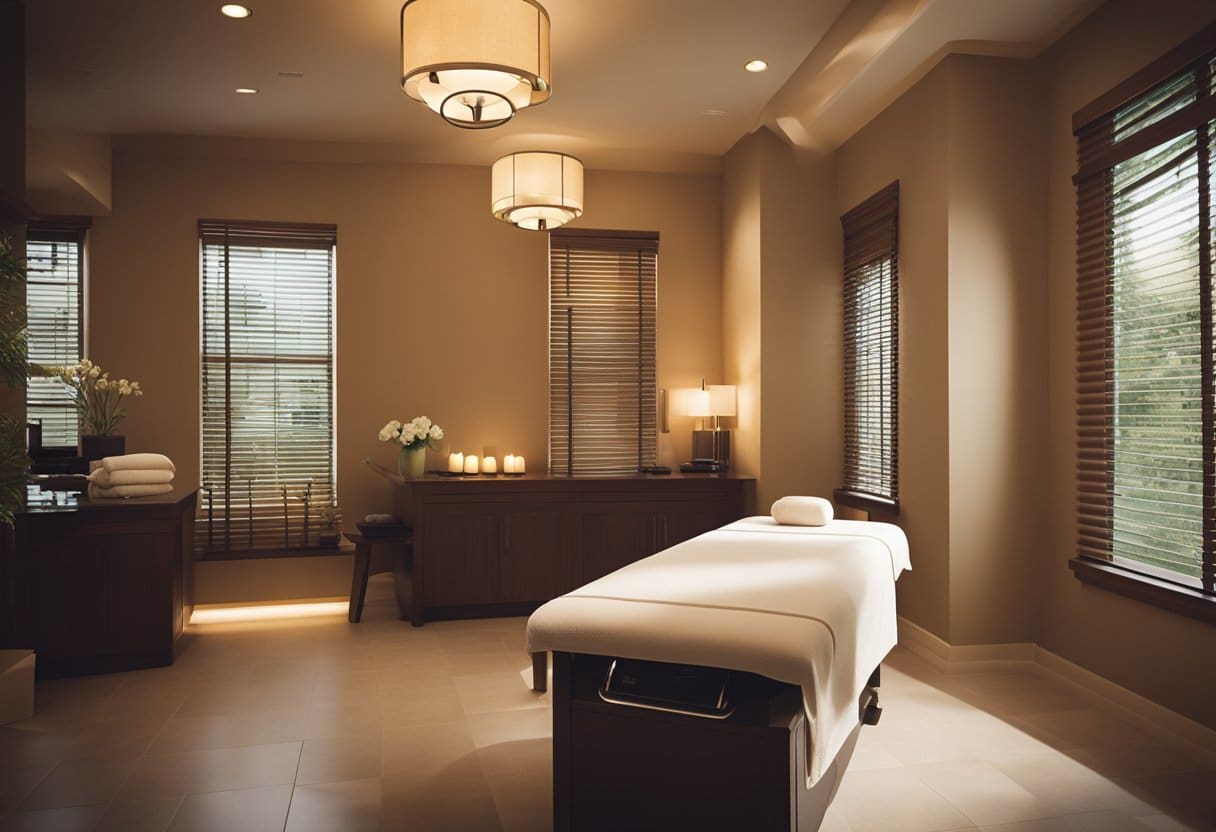
Registered Massage Therapy (RMT) offers targeted relief for numerous physical and mental health conditions. Professional therapists use evidence-based techniques to address specific pain points and improve overall functioning.
Addressing Back Pain and Posture Issues
Back pain affects millions of people and can significantly impact daily activities. RMTs are trained to identify tension patterns and muscle imbalances that contribute to discomfort and poor posture.
Treatment typically includes:
- Deep tissue massage for chronic tension
- Myofascial release for restricted connective tissue
- Trigger point therapy for specific pain areas
- Stretching techniques to improve flexibility
Regular RMT sessions can help correct postural problems that develop from prolonged sitting, repetitive movements, or injury. Many clients report improved mobility and decreased pain after just a few sessions.
For those with chronic back conditions, massage therapy provides a non-pharmaceutical approach to pain management that can complement other treatments like physiotherapy and chiropractic care. In addition to promoting relaxation and reducing muscle tension, massage therapy can enhance overall mobility and flexibility, making it a valuable part of a comprehensive treatment plan. Many individuals find that incorporating massage into their routine helps them explore various back pain treatment options more effectively. As a result, patients often report an improved quality of life alongside their ongoing therapies.
Alleviating Headaches and Migraines
Tension headaches and migraines can be debilitating, affecting work performance and quality of life. RMT addresses these conditions by focusing on common trigger points in the neck, shoulders, and upper back. By relieving muscle tension and promoting relaxation, RMT can significantly reduce the frequency and intensity of these headaches. Understanding the common causes of headaches, such as stress, poor posture, and muscle tightness, is essential for effective treatment. Incorporating regular RMT sessions can provide long-term benefits and contribute to a more balanced and pain-free life.
Effective techniques include:
- Craniosacral therapy to release restrictions around the head
- Neck and shoulder massage to reduce muscle tension
- Pressure point therapy to target specific pain pathways
- Relaxation techniques to decrease stress-related tension
Studies show that regular massage therapy can reduce both the frequency and severity of headaches for many sufferers. RMTs may also provide advice on posture, ergonomics, and self-care practices to prevent headache recurrence.
For chronic migraine sufferers, integrating RMT into a comprehensive treatment plan can offer relief when medication alone is insufficient.
Massage Therapy and Mental Health: Anxiety and Depression
Beyond physical benefits, RMT provides significant support for mental health conditions. The power of therapeutic touch activates the parasympathetic nervous system, promoting relaxation and stress reduction.
For anxiety management, RMT offers:
- Decreased cortisol (stress hormone) levels
- Increased production of mood-enhancing neurotransmitters
- Improved sleep quality
- Enhanced body awareness
Those with depression often experience physical symptoms like muscle tension and fatigue. RMT helps break this cycle by promoting circulation, reducing pain, and creating a sense of well-being.
Many mental health professionals now recommend massage therapy as a complementary approach alongside traditional treatments. The combination of physical relief and mental relaxation makes RMT particularly effective for those experiencing both physical pain and emotional distress.
The RMT Experience: What to Expect
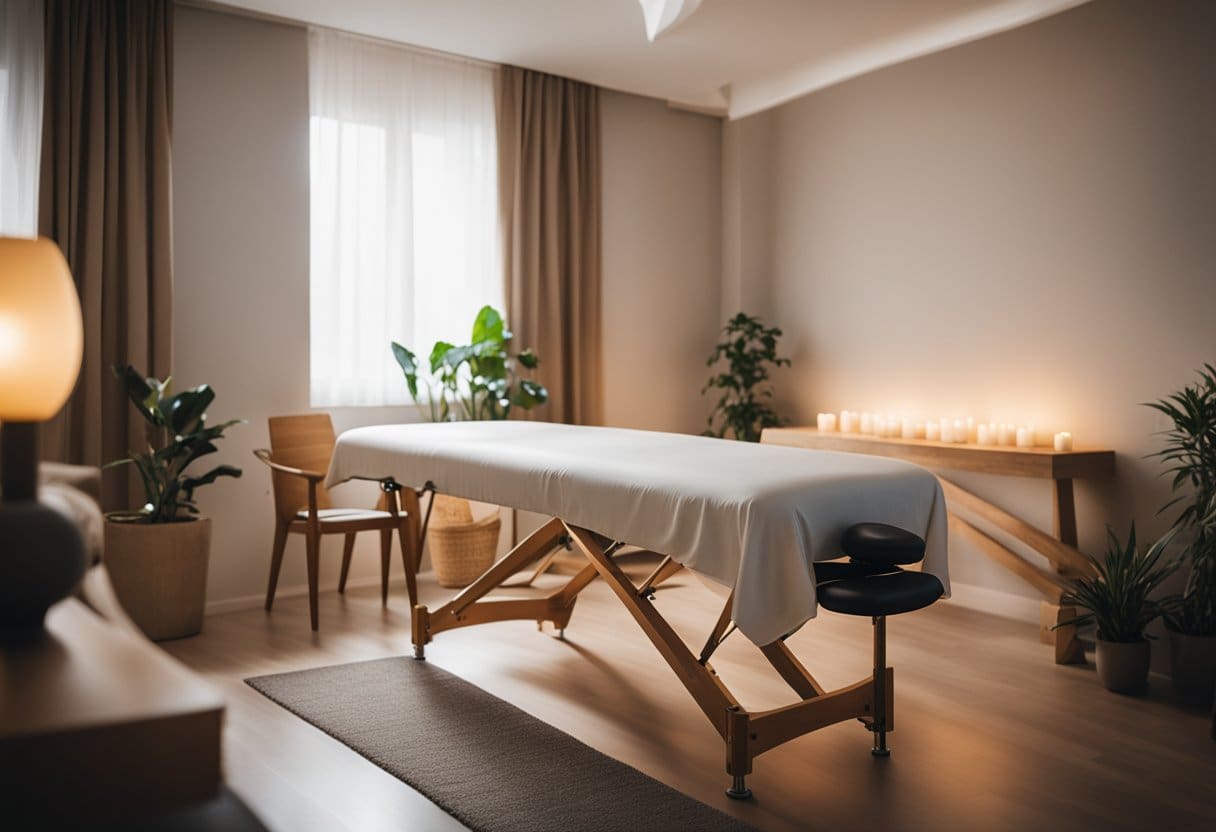
Registered Massage Therapy (RMT) sessions follow a structured process designed to maximize therapeutic benefits while ensuring client comfort.
Knowing what happens at each stage helps you get the most from your treatment.
Before, During, and After a Massage Session
Before Your Session:
- Arrive 10-15 minutes early to complete intake forms
- Be prepared to share your medical history and current health concerns
- Wear comfortable clothing that’s easy to remove
The massage therapist will review your information privately before beginning treatment. They’ll discuss your goals and any areas needing special attention.
During Your Session:
- You’ll undress to your comfort level and lie on a padded table under sheets
- The RMT will knock before entering and only undrape areas being worked on
- Treatment typically lasts 30-90 minutes depending on your booking
After Your Session:
- The therapist will leave while you dress
- You may receive stretching recommendations or self-care advice
- Drinking water helps flush released toxins from tissues
Communication and Consent
Ongoing communication forms the foundation of effective massage therapy. RMTs prioritize client comfort and autonomy throughout treatment.
Establishing Boundaries:
- The therapist will explain the planned treatment approach
- You can request adjustments to pressure, techniques, or areas targeted
- You maintain the right to modify or end the session at any time
Privacy and Dignity:
- Professional draping techniques ensure only the treatment area is exposed
- Your personal information remains confidential according to health privacy laws
- RMTs create a safe space free from judgment
Feedback during the session helps therapists adjust their techniques. Don’t hesitate to communicate if something feels uncomfortable or if you’d like the therapist to focus on a specific area.
Additional Modalities and Services
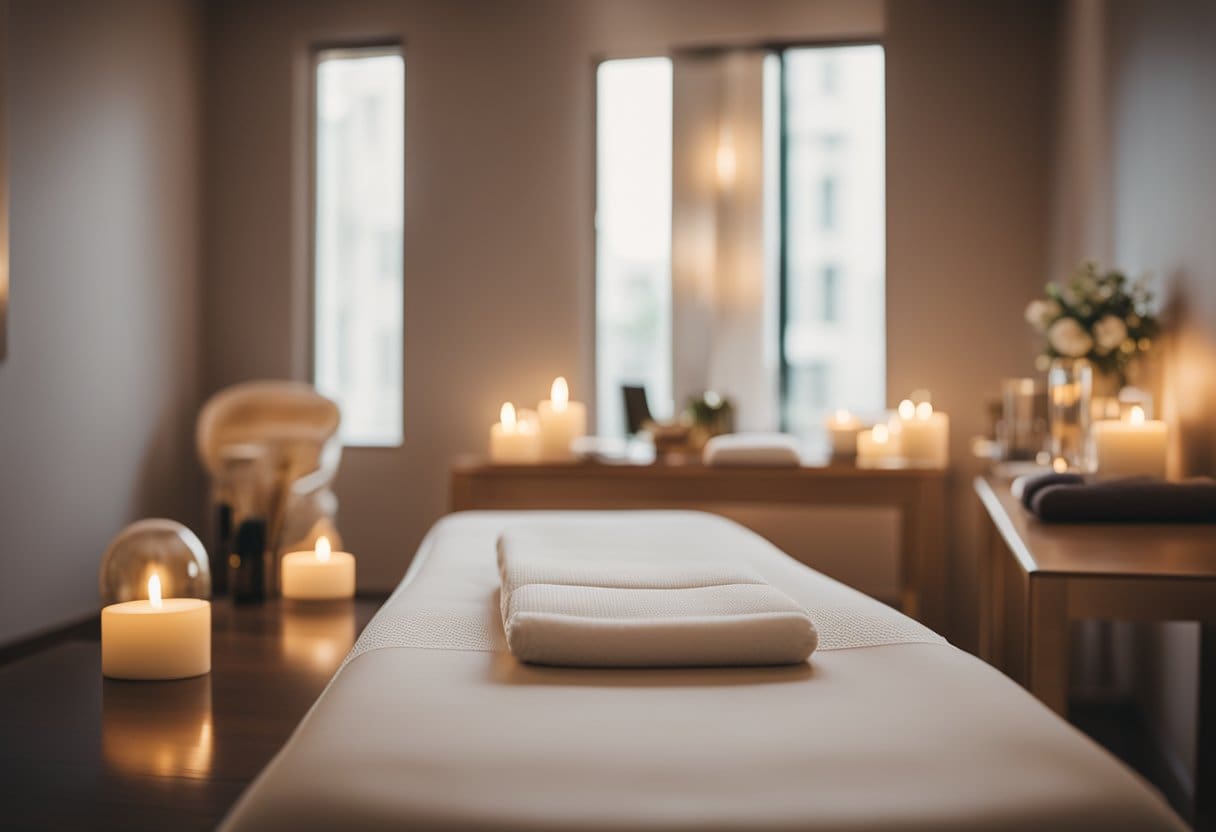
Registered Massage Therapy works well alongside other wellness approaches to create a comprehensive health plan. These complementary practices can enhance the benefits of your regular massage sessions when integrated thoughtfully.
Exploring Options Like Acupuncture and Aromatherapy
Acupuncture serves as a powerful complement to massage therapy. This ancient practice uses thin needles to stimulate specific points on the body, helping to reduce stress and alleviate pain through different pathways than massage alone.
When combined with RMT massage, acupuncture can:
- Enhance circulation improvements
- Address deeper tissue issues
- Promote faster healing responses
Aromatherapy adds another dimension through essential oils that engage the sense of smell.
Lavender and chamomile oils are particularly effective for relaxation, while eucalyptus and peppermint can invigorate and clear sinuses.
Many wellness centers now offer combination treatments where aromatherapy is incorporated into the massage experience, creating what some practitioners call a “multi-sensory approach” to healing and stress relief.
The Role of Massage Chairs and Equipment
Modern massage chairs have evolved significantly, offering valuable support between professional RMT sessions.
Today’s high-quality chairs feature programs that mimic specific massage techniques like Swedish, shiatsu, and deep tissue.
Key benefits include:
- Convenience for daily stress management
- Cost-effectiveness for frequent users
- Customizable settings for different needs
Portable massage equipment such as massage guns, rollers, and compression sleeves allow individuals to address muscle tension at home or work.
These tools work best when used according to guidance from a professional RMT.
Regular use of these devices helps maintain the benefits of professional massage therapy, especially for individuals with chronic tension or those in high-stress occupations who need frequent relief.
Navigating the Professional World of RMT
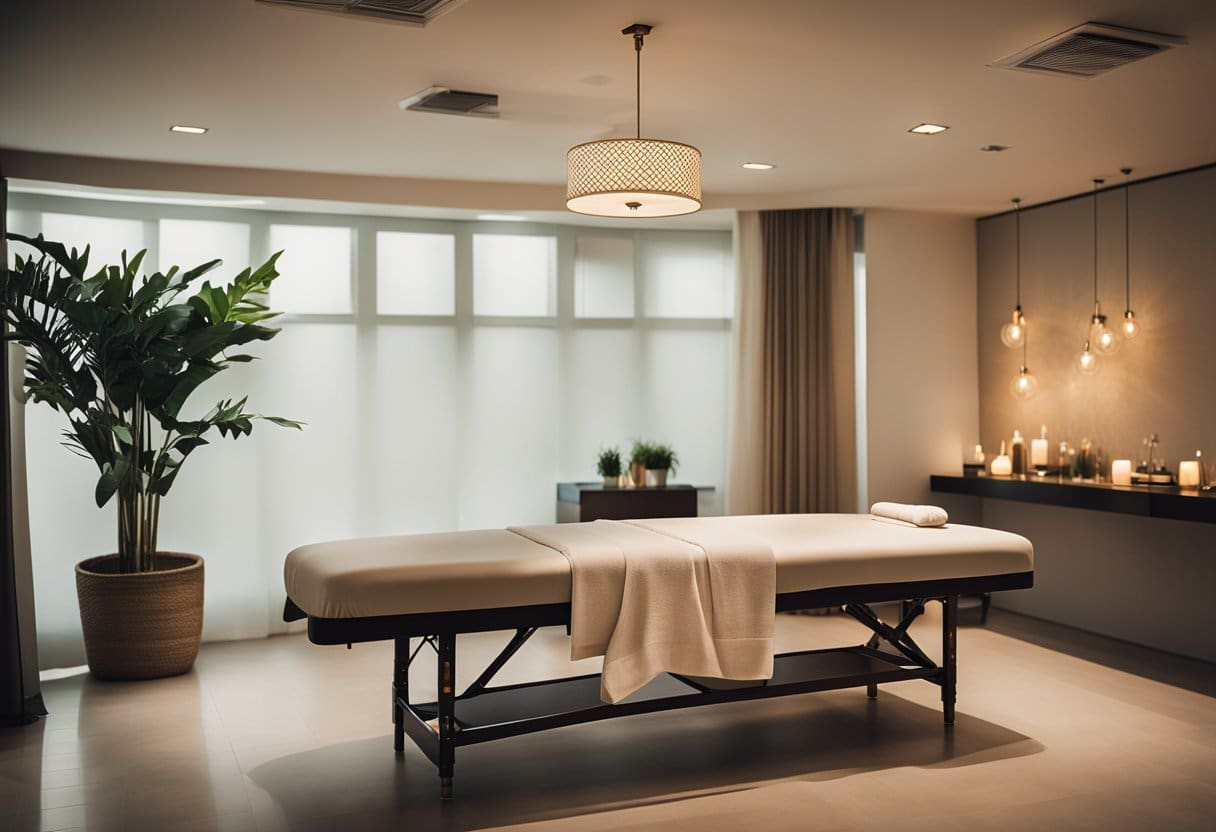
Finding the right Registered Massage Therapist (RMT) requires understanding the profession’s qualifications and organizational structure. The professional massage therapy world has standards that help ensure quality care and positive health outcomes.
Ensuring Therapist Qualifications
RMTs must complete specific education and training requirements to practice legally. Most states require massage therapists to complete 500-1,000 hours of education at an accredited massage therapy school.
Therapists should hold current state licenses or certifications where required by law. As of 2025, 47 states and the District of Columbia regulate massage therapy through licensing or certification. In addition to ensuring proper licensing, therapists should also pursue continuing education to stay updated with the latest techniques and best practices in the field. For example, practitioners offering specialized services like visceral manipulation massage Victoria can enhance their skills and provide more effective treatment options for clients. This not only benefits the therapists’ professional growth but also significantly improves the overall client experience.
Look for therapists with specialized training in techniques relevant to your health needs. This might include deep tissue, sports massage, or therapeutic approaches for specific conditions.
Ask about continuing education credits, as qualified RMTs regularly update their skills. Most professional therapists will display credentials in their office or list them on their website.
Affiliations and the American Massage Therapy Association
The American Massage Therapy Association (AMTA) is the largest non-profit professional organization serving massage therapists. Members must meet specific education requirements and adhere to a code of ethics.
AMTA membership indicates a therapist’s commitment to professional standards. The organization provides ongoing education and resources to help therapists deliver quality care.
Other reputable organizations include the Associated Bodywork & Massage Professionals (ABMP) and the National Certification Board for Therapeutic Massage & Bodywork (NCBTMB).
Check if your potential therapist maintains these professional affiliations. These memberships often require adherence to ethical guidelines and continuing education standards that exceed basic licensing requirements.
Frequently Asked Questions
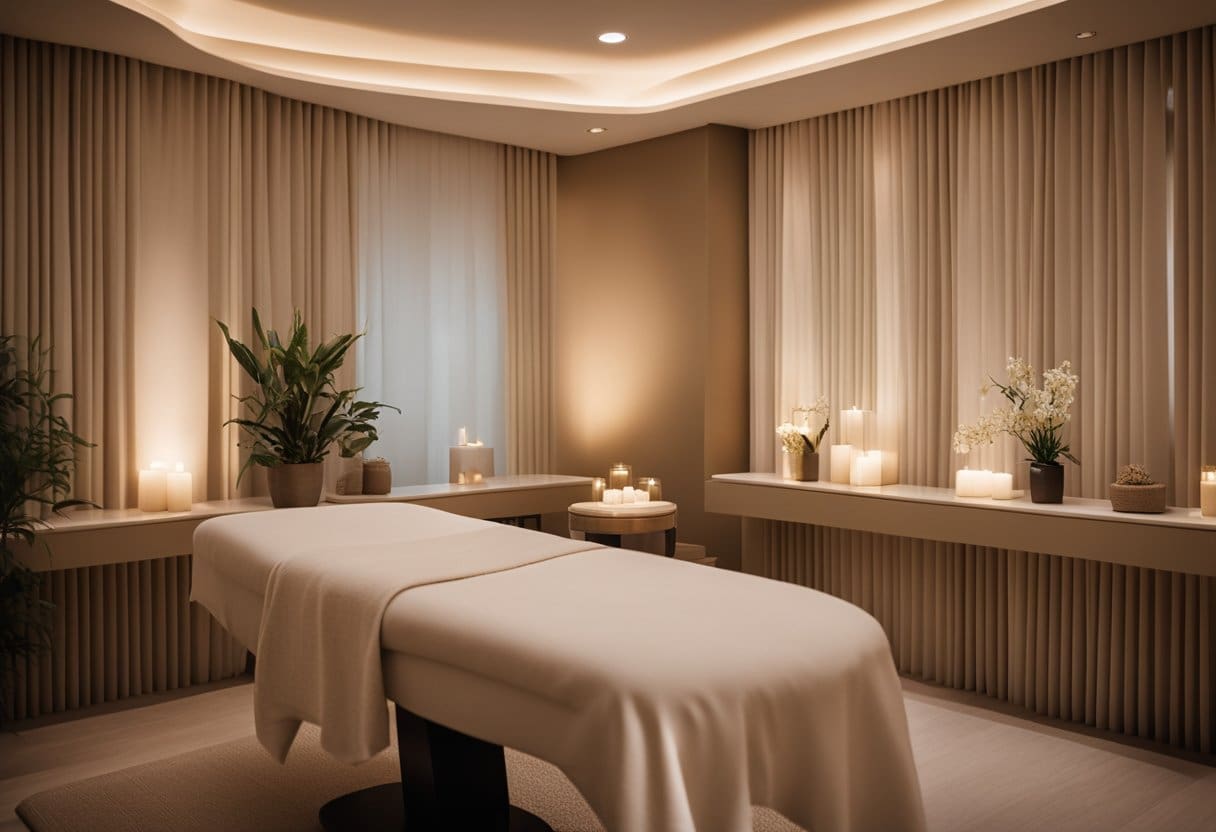
Many people have questions about Registered Massage Therapy (RMT) and its role in wellness. These answers provide evidence-based information about RMT benefits, techniques, and practical considerations for incorporating massage into your health routine.
How does RMT massage contribute to overall health and well-being?
RMT massage offers multiple physiological benefits that support whole-body health. It improves circulation by increasing blood flow to muscles and tissues, which delivers oxygen and nutrients more efficiently.
Research shows that regular massage therapy can be part of general wellness and health maintenance practices. It helps reduce inflammation and promotes the release of endorphins—natural pain-relieving compounds.
RMT massage also supports immune function by stimulating lymphatic flow, which helps the body eliminate toxins and metabolic waste more effectively. In addition to promoting detoxification, RMT massage can enhance overall well-being by reducing stress and tension, which are known to negatively impact immune health. Clients frequently report feeling more energized and revitalized after sessions. To experience these benefits firsthand, explore our RMT services.
What advancements in RMT massage techniques have emerged by 2025?
Technology integration has refined traditional massage approaches with tools that enhance therapeutic outcomes. Therapists now use advanced pressure-mapping technology to identify problem areas with greater precision.
Evidence-based protocols have become more specialized, with techniques tailored to specific conditions rather than general approaches. This targeted therapy improves outcomes for clients with chronic pain conditions.
Many RMTs now incorporate research findings into their practice, making treatments more effective and scientifically supported.
What specific benefits does RMT massage offer for stress management?
RMT massage directly addresses physical manifestations of stress by releasing tension in muscles that tighten during stress responses. This physical relief triggers a cascade of relaxation throughout the body.
Massage therapy reduces cortisol levels—the primary stress hormone—while increasing serotonin and dopamine. This hormonal shift helps restore emotional balance and improve mood.
Regular sessions create a dedicated time for mental rest, which many clients report is as valuable as the physical benefits for managing chronic stress in today’s fast-paced world.
How often should one incorporate RMT massage into a wellness routine?
For preventative care and general wellness, most health professionals recommend monthly sessions. This frequency helps maintain muscle health and stress management benefits.
Those addressing specific conditions or recovering from injuries may benefit from weekly sessions initially, tapering to bi-weekly as improvement occurs. The therapist will provide personalized recommendations.
Consistency matters more than frequency—regular sessions spaced appropriately yield better long-term results than sporadic intensive treatments.
Can RMT massage aid in recovery from sports and other physical activities?
RMT massage accelerates muscle recovery by reducing inflammation and breaking down lactic acid buildup after intense physical activity. This helps athletes return to training more quickly.
It improves range of motion and flexibility by releasing fascial restrictions and muscle adhesions that develop during repetitive movements associated with sports.
Many professional athletes incorporate RMT as a standard component of their training regimen, not just for injury recovery but for performance optimization and injury prevention.
What should individuals expect from an RMT massage session in terms of wellness?
A typical RMT session begins with a health assessment to identify specific concerns and goals.
The therapist develops a treatment plan tailored to individual needs rather than following a generic protocol.
During treatment, therapists may combine various techniques including Thai massage and other specialized approaches depending on client needs.
The environment is professional and focused on therapeutic outcomes.
Clients often experience both immediate effects like reduced pain and muscle tension, and cumulative benefits that build with regular sessions, including improved sleep quality and stress resilienceThai massage and other specialized approachessage therapy in their yearly health plans.
Adding sessions with a Registered Massage Therapist (RMT) can significantly improve both physical and mental well-being, making it a worthwhile addition to any comprehensive wellness strategy for 2025.
Research shows that massage therapy offers more than just relaxation.
RMTs provide specialized care that can help reduce chronic pain, improve sleep quality, and lower stress levels.
While some people view massage as a luxury, healthcare professionals increasingly recognize it as an important part of wellness programs that support overall health.
The wellness tourism industry, including spa services, is projected to grow significantly through 2025, showing increased interest in therapeutic massage services.
This trend reflects growing awareness of how massage therapy contributes to maintaining health rather than just treating problems after they develop. Many people now incorporate regular massage therapy into their general wellness and health maintenance regimens, recognizing its preventative benefits.
Understanding RMT Massage
Registered Massage Therapy is a specialized healthcare practice that works with the body’s soft tissues to promote wellness. The practice is grounded in scientific principles about how our bodies respond to touch and pressure.
Defining RMT and Its Scope
A Registered Massage Therapist (RMT) is a healthcare professional who has completed extensive education and clinical training in anatomy, physiology, and therapeutic techniques.
RMTs must meet specific certification requirements and typically need to complete 2,200-3,000 hours of training.
RMTs are qualified to assess and treat various conditions including muscle tension, injury recovery, and chronic pain. Their scope of practice extends beyond relaxation to include therapeutic interventions that impact psychological and physiological well-being.
Unlike casual massage, RMT services are often eligible for insurance coverage in many regions. This recognition highlights their role as legitimate healthcare providers rather than simply spa practitioners.
Physiology Behind Massage Therapy
Massage therapy works through several physiological mechanisms.
When a therapist applies pressure to muscles and soft tissues, it triggers increased blood circulation to the area, delivering oxygen and nutrients while removing waste products.
This process helps reduce inflammation and promotes healing. Massage also stimulates the parasympathetic nervous system, often called the “rest and digest” response, lowering stress hormones like cortisol while increasing endorphins and serotonin.
Recent research has expanded our understanding of how massage affects the body’s systems.
Physical manipulation of tissues can break down adhesions between muscle fibers and fascia, improving flexibility and range of motion.
Studies show massage therapy can decrease pain perception by activating pain-inhibiting pathways in the central nervous system, making it effective for both acute and chronic pain management.
Comparing RMT to Other Massage Techniques
RMT differs from other massage types in its medical focus and personalized treatment approach.
While deep tissue massage concentrates on realigning deeper muscle layers and connective tissue, RMT incorporates this technique as just one tool among many.
Hot stone massage uses smooth, heated stones to warm muscles and enhance relaxation. RMTs might include this method when appropriate but always within a broader treatment plan based on client assessment.
Thai massage involves stretching and moving the body into various positions, whereas RMTs typically work with clients on a massage table using a variety of specialized techniques.
What sets RMT apart is its evidence-based approach.
Treatment plans are developed after thorough assessment and modified based on client progress. This clinical focus ensures therapy addresses specific issues rather than following a one-size-fits-all approach.
Health Benefits of Regular RMT Massage
Registered Massage Therapy (RMT) offers numerous evidence-based health benefits that extend beyond simple relaxation. Research shows that consistent massage treatments provide targeted relief for physical ailments while supporting mental wellbeing.
Chronic Pain Alleviation
RMT massage effectively addresses chronic pain conditions through targeted techniques that release muscle tension. The therapist applies precise pressure to trigger points and tight muscle bands that contribute to ongoing discomfort.
Studies indicate that regular massage sessions can reduce pain intensity in conditions like lower back pain, fibromyalgia, and arthritis.
Many patients report decreased reliance on pain medications after establishing a consistent RMT routine.
The benefits are cumulative. While a single session provides temporary relief, weekly or bi-weekly treatments over several months create lasting improvements in pain levels and mobility.
For optimal results, RMT practitioners typically recommend an initial treatment plan of 4-6 sessions, followed by maintenance appointments tailored to individual needs.
Stress Relief and Mental Health
RMT massage triggers significant physiological changes that combat stress. During treatment, cortisol levels decrease while serotonin and dopamine increase, creating a neurochemical environment that supports mental wellbeing.
This biochemical shift helps reduce symptoms of anxiety and depression. The psychological and physiological well-being benefits extend beyond the treatment room, with effects lasting days after each session.
Regular massage also improves sleep quality by relaxing the nervous system and reducing insomnia triggers. Better sleep further enhances mental resilience and emotional stability.
The therapeutic touch component of RMT provides valuable human connection, which research links to improved mental health outcomes, especially important for those experiencing isolation.
Boosting Circulation and Physical Health
RMT techniques significantly enhance blood and lymphatic circulation throughout the body. The applied pressure and manipulation move blood through congested areas and bring fresh oxygen to tissues.
This improved circulation accelerates healing of injured muscles and reduces recovery time after intense physical activity. Athletes often incorporate regular massage as part of a wellness-seeking regimen to maintain peak performance.
The lymphatic benefits also strengthen immune function by promoting efficient removal of metabolic waste and pathogens from body tissues.
RMT helps improve posture by releasing chronically tight muscles that pull the skeleton out of alignment. This postural correction prevents future injuries and reduces strain on joints and connective tissues.
Regular treatments also increase range of motion and flexibility, making everyday movements more efficient and comfortable while decreasing injury risk.
Incorporating RMT into Your Wellness Plan
Adding registered massage therapy to your wellness routine requires thoughtful planning and consideration of your specific health needs. Proper integration can maximize benefits while supporting your overall health goals.
Aligning RMT with Lifestyle Choices
Regular massage therapy sessions can complement an active lifestyle by addressing muscle tension from exercise or sedentary work habits.
Many wellness experts recommend scheduling RMT appointments based on your activity level—athletes might benefit from bi-weekly sessions, while office workers may need monthly treatments to address posture-related issues.
Consider your daily routine when booking appointments. Morning sessions can energize your day, while evening appointments may improve sleep quality.
Wellness programs are increasingly incorporating massage therapy as a core component rather than an occasional luxury.
Coordinate RMT with other wellness activities for maximum benefit. Schedule massages after intense workouts to reduce recovery time or before stressful events to manage tension proactively.
Prevention and Maintenance Strategies
RMT works best as a preventative measure rather than only seeking treatment when pain becomes severe. Regular sessions help identify potential issues before they develop into chronic problems.
Create a consistent schedule—many therapists recommend 4-6 week intervals for maintenance. This frequency helps manage stress levels and prevents tension buildup in problem areas.
Integrating massage therapy into your health routine provides ongoing benefits rather than temporary relief. Some practitioners now offer wellness packages designed for long-term care rather than single sessions.
Communicate clearly with your RMT about health goals. Provide feedback about what techniques work best for your body. This collaboration ensures each massage session targets your specific needs.
Track your progress through a wellness journal to notice improvements in flexibility, stress levels, and pain reduction over time.
RMT for Specific Conditions and Pain Management
Registered Massage Therapy (RMT) offers targeted relief for numerous physical and mental health conditions. Professional therapists use evidence-based techniques to address specific pain points and improve overall functioning.
Addressing Back Pain and Posture Issues
Back pain affects millions of people and can significantly impact daily activities. RMTs are trained to identify tension patterns and muscle imbalances that contribute to discomfort and poor posture.
Treatment typically includes:
- Deep tissue massage for chronic tension
- Myofascial release for restricted connective tissue
- Trigger point therapy for specific pain areas
- Stretching techniques to improve flexibility
Regular RMT sessions can help correct postural problems that develop from prolonged sitting, repetitive movements, or injury. Many clients report improved mobility and decreased pain after just a few sessions.
For those with chronic back conditions, massage therapy provides a non-pharmaceutical approach to pain management that can complement other treatments like physiotherapy and chiropractic care.
Alleviating Headaches and Migraines
Tension headaches and migraines can be debilitating, affecting work performance and quality of life. RMT addresses these conditions by focusing on common trigger points in the neck, shoulders, and upper back.
Effective techniques include:
- Craniosacral therapy to release restrictions around the head
- Neck and shoulder massage to reduce muscle tension
- Pressure point therapy to target specific pain pathways
- Relaxation techniques to decrease stress-related tension
Studies show that regular massage therapy can reduce both the frequency and severity of headaches for many sufferers. RMTs may also provide advice on posture, ergonomics, and self-care practices to prevent headache recurrence.
For chronic migraine sufferers, integrating RMT into a comprehensive treatment plan can offer relief when medication alone is insufficient.
Massage Therapy and Mental Health: Anxiety and Depression
Beyond physical benefits, RMT provides significant support for mental health conditions. The power of therapeutic touch activates the parasympathetic nervous system, promoting relaxation and stress reduction.
For anxiety management, RMT offers:
- Decreased cortisol (stress hormone) levels
- Increased production of mood-enhancing neurotransmitters
- Improved sleep quality
- Enhanced body awareness
Those with depression often experience physical symptoms like muscle tension and fatigue. RMT helps break this cycle by promoting circulation, reducing pain, and creating a sense of well-being.
Many mental health professionals now recommend massage therapy as a complementary approach alongside traditional treatments. The combination of physical relief and mental relaxation makes RMT particularly effective for those experiencing both physical pain and emotional distress.
The RMT Experience: What to Expect
Registered Massage Therapy (RMT) sessions follow a structured process designed to maximize therapeutic benefits while ensuring client comfort.
Knowing what happens at each stage helps you get the most from your treatment.
Before, During, and After a Massage Session
Before Your Session:
- Arrive 10-15 minutes early to complete intake forms
- Be prepared to share your medical history and current health concerns
- Wear comfortable clothing that’s easy to remove
The massage therapist will review your information privately before beginning treatment. They’ll discuss your goals and any areas needing special attention.
During Your Session:
- You’ll undress to your comfort level and lie on a padded table under sheets
- The RMT will knock before entering and only undrape areas being worked on
- Treatment typically lasts 30-90 minutes depending on your booking
After Your Session:
- The therapist will leave while you dress
- You may receive stretching recommendations or self-care advice
- Drinking water helps flush released toxins from tissues
Communication and Consent
Ongoing communication forms the foundation of effective massage therapy. RMTs prioritize client comfort and autonomy throughout treatment.
Establishing Boundaries:
- The therapist will explain the planned treatment approach
- You can request adjustments to pressure, techniques, or areas targeted
- You maintain the right to modify or end the session at any time
Privacy and Dignity:
- Professional draping techniques ensure only the treatment area is exposed
- Your personal information remains confidential according to health privacy laws
- RMTs create a safe space free from judgment
Feedback during the session helps therapists adjust their techniques. Don’t hesitate to communicate if something feels uncomfortable or if you’d like the therapist to focus on a specific area.
Additional Modalities and Services
Registered Massage Therapy works well alongside other wellness approaches to create a comprehensive health plan. These complementary practices can enhance the benefits of your regular massage sessions when integrated thoughtfully.
Exploring Options Like Acupuncture and Aromatherapy
Acupuncture serves as a powerful complement to massage therapy. This ancient practice uses thin needles to stimulate specific points on the body, helping to reduce stress and alleviate pain through different pathways than massage alone.
When combined with RMT massage, acupuncture can:
- Enhance circulation improvements
- Address deeper tissue issues
- Promote faster healing responses
Aromatherapy adds another dimension through essential oils that engage the sense of smell.
Lavender and chamomile oils are particularly effective for relaxation, while eucalyptus and peppermint can invigorate and clear sinuses.
Many wellness centers now offer combination treatments where aromatherapy is incorporated into the massage experience, creating what some practitioners call a “multi-sensory approach” to healing and stress relief.
The Role of Massage Chairs and Equipment
Modern massage chairs have evolved significantly, offering valuable support between professional RMT sessions.
Today’s high-quality chairs feature programs that mimic specific massage techniques like Swedish, shiatsu, and deep tissue.
Key benefits include:
- Convenience for daily stress management
- Cost-effectiveness for frequent users
- Customizable settings for different needs
Portable massage equipment such as massage guns, rollers, and compression sleeves allow individuals to address muscle tension at home or work.
These tools work best when used according to guidance from a professional RMT.
Regular use of these devices helps maintain the benefits of professional massage therapy, especially for individuals with chronic tension or those in high-stress occupations who need frequent relief.
Navigating the Professional World of RMT
Finding the right Registered Massage Therapist (RMT) requires understanding the profession’s qualifications and organizational structure. The professional massage therapy world has standards that help ensure quality care and positive health outcomes.
Ensuring Therapist Qualifications
RMTs must complete specific education and training requirements to practice legally. Most states require massage therapists to complete 500-1,000 hours of education at an accredited massage therapy school.
Therapists should hold current state licenses or certifications where required by law. As of 2025, 47 states and the District of Columbia regulate massage therapy through licensing or certification.
Look for therapists with specialized training in techniques relevant to your health needs. This might include deep tissue, sports massage, or therapeutic approaches for specific conditions.
Ask about continuing education credits, as qualified RMTs regularly update their skills. Most professional therapists will display credentials in their office or list them on their website.
Affiliations and the American Massage Therapy Association
The American Massage Therapy Association (AMTA) is the largest non-profit professional organization serving massage therapists. Members must meet specific education requirements and adhere to a code of ethics.
AMTA membership indicates a therapist’s commitment to professional standards. The organization provides ongoing education and resources to help therapists deliver quality care.
Other reputable organizations include the Associated Bodywork & Massage Professionals (ABMP) and the National Certification Board for Therapeutic Massage & Bodywork (NCBTMB).
Check if your potential therapist maintains these professional affiliations. These memberships often require adherence to ethical guidelines and continuing education standards that exceed basic licensing requirements.
Frequently Asked Questions
Many people have questions about Registered Massage Therapy (RMT) and its role in wellness. These answers provide evidence-based information about RMT benefits, techniques, and practical considerations for incorporating massage into your health routine.
How does RMT massage contribute to overall health and well-being?
RMT massage offers multiple physiological benefits that support whole-body health. It improves circulation by increasing blood flow to muscles and tissues, which delivers oxygen and nutrients more efficiently.
Research shows that regular massage therapy can be part of general wellness and health maintenance practices. It helps reduce inflammation and promotes the release of endorphins—natural pain-relieving compounds.
RMT massage also supports immune function by stimulating lymphatic flow, which helps the body eliminate toxins and metabolic waste more effectively.
What advancements in RMT massage techniques have emerged by 2025?
Technology integration has refined traditional massage approaches with tools that enhance therapeutic outcomes. Therapists now use advanced pressure-mapping technology to identify problem areas with greater precision.
Evidence-based protocols have become more specialized, with techniques tailored to specific conditions rather than general approaches. This targeted therapy improves outcomes for clients with chronic pain conditions.
Many RMTs now incorporate research findings into their practice, making treatments more effective and scientifically supported.
What specific benefits does RMT massage offer for stress management?
RMT massage directly addresses physical manifestations of stress by releasing tension in muscles that tighten during stress responses. This physical relief triggers a cascade of relaxation throughout the body.
Massage therapy reduces cortisol levels—the primary stress hormone—while increasing serotonin and dopamine. This hormonal shift helps restore emotional balance and improve mood.
Regular sessions create a dedicated time for mental rest, which many clients report is as valuable as the physical benefits for managing chronic stress in today’s fast-paced world.
How often should one incorporate RMT massage into a wellness routine?
For preventative care and general wellness, most health professionals recommend monthly sessions. This frequency helps maintain muscle health and stress management benefits.
Those addressing specific conditions or recovering from injuries may benefit from weekly sessions initially, tapering to bi-weekly as improvement occurs. The therapist will provide personalized recommendations.
Consistency matters more than frequency—regular sessions spaced appropriately yield better long-term results than sporadic intensive treatments.
Can RMT massage aid in recovery from sports and other physical activities?
RMT massage accelerates muscle recovery by reducing inflammation and breaking down lactic acid buildup after intense physical activity. This helps athletes return to training more quickly.
It improves range of motion and flexibility by releasing fascial restrictions and muscle adhesions that develop during repetitive movements associated with sports.
Many professional athletes incorporate RMT as a standard component of their training regimen, not just for injury recovery but for performance optimization and injury prevention.
What should individuals expect from an RMT massage session in terms of wellness?
A typical RMT session begins with a health assessment to identify specific concerns and goals.
The therapist develops a treatment plan tailored to individual needs rather than following a generic protocol.
During treatment, therapists may combine various techniques including Thai massage and other specialized approaches depending on client needs.
The environment is professional and focused on therapeutic outcomes.
Clients often experience both immediate effects like reduced pain and muscle tension, and cumulative benefits that build with regular sessions, including improved sleep quality and stress resilience.
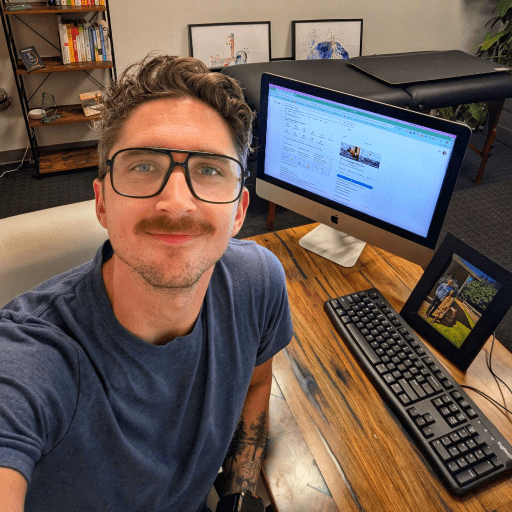
Daryl Stubbs
RMT • Certified Athletic Therapist • Holistic Nutritionist
Daryl Stubbs is the founder of Sync Therapy and an 8-time award-winning clinician. With over a decade of experience since graduating in 2013, Daryl specializes in combining hands-on massage therapy with advanced innovations like red-light therapy, hydrogen water and PEMF. He helps clients in Colwood, Langford, and Victoria, BC move better and reduce pain through targeted rehab and gut-health protocols.
Credentials & Recognition:
- Bachelor of Athletic & Exercise Therapy (Camosun College)
- Voted "Best Massage Clinic" & "Best Rehab Clinic" (Community Votes, 2022–Present)