
Arthritis plagues nearly 60 million adults and 300,000 children across America. This widespread condition has made red light therapy for arthritis an increasingly popular topic among people looking for relief. The condition stands as America's leading cause of disability and can drastically change someone's quality of life. Traditional treatments often don't deal very well with the persistent joint pain and stiffness.
Key Takeaways: Red Light Therapy for Arthritis
- Scientifically Proven Relief: Research published in the International Journal of Molecular Sciences confirms red light therapy reduces arthritis pain and inflammation through photobiomodulation.
- Works for Multiple Types: Effective for osteoarthritis, rheumatoid arthritis, and other inflammatory joint conditions, as documented in multiple clinical trials.
- Safe & Non-Invasive: Unlike medications with side effects, red light therapy offers drug-free pain management according to Cleveland Clinic.
- Quality Devices Matter: Clinical-grade devices with proper wavelengths (630-850nm) and sufficient power are essential for results.
- Consistency is Key: Regular 10-20 minute sessions, 3-5 times per week, deliver the best outcomes.
The Problem with Arthritis and Current Treatments

Managing arthritis remains one of the biggest challenges in modern medicine. Treatments have gotten better over time, but many patients still look for solutions that work with fewer side effects. More people now want to learn about alternatives like red light therapy for arthritis pain.
Why arthritis is hard to manage
Arthritis isn't just one condition - it's actually a term that covers more than 100 different types of joint pain and disease that millions experience. This makes it really hard to treat everyone the same way. Most patients who visit their primary care doctor have pain in multiple joints, and the more joints that hurt, the more often they need medical care.
The way doctors diagnose and talk about arthritis creates another problem. Some healthcare providers use discouraging phrases like "nothing can be done" or "it's your age," and this negativity can affect how patients feel about their condition. This defeatist attitude plus delayed diagnosis often results in wrong treatments and poor care.
Side effects of common medications
Standard arthritis medications can help, but their side effects make long-term use risky. NSAIDs, commonly prescribed to reduce inflammation, can damage your heart, kidneys, and stomach - sometimes causing bleeding. Regular use also increases your risk of blood clots, heart attacks, and strokes.
Corticosteroids fight inflammation well but can cause cataracts, high blood sugar, and bone loss over time. Long-term use often leads to weight gain, easy bruising, weak muscles, and thin skin.
Disease-modifying antirheumatic drugs (DMARDs) like methotrexate come with their own risks, including a 3% chance of serious infection. Adding TNF-alpha inhibitors pushes this risk up to 5%. Biologics weaken your immune system so much that you need tuberculosis and hepatitis screening before starting treatment.
The need for safer alternatives
These side effects push many arthritis patients to look for safer options. Complementary therapies now show up more often in treatment plans. These methods don't replace regular treatments but work alongside them to help manage symptoms better.
Red light therapy has caught people's attention as a way to get relief without medication side effects. The best approach combines regular medical care with carefully chosen complementary treatments like red light therapy. This strategy helps maximize relief while keeping side effects low and improving your quality of life. Recent studies have shown that red light therapy benefits for neuropathy, offering a non-invasive option for pain relief and improved nerve function. Additionally, this treatment can enhance circulation and reduce inflammation, further contributing to overall wellbeing. As more individuals seek natural alternatives to traditional pain management, the integration of red light therapy into their routine could be a game changer.
What is Red Light Therapy and How It Works

Light has been used as medicine for centuries. Modern technology now controls specific wavelengths for healing. Red light therapy (RLT), also known as photobiomodulation or low-level light therapy, offers a non-invasive treatment that uses low-intensity red and near-infrared light to promote healing responses in the body. Numerous studies have demonstrated the efficacy of RLT in reducing inflammation and accelerating tissue repair. This has led to growing interest in red light therapy benefits for pain, particularly among individuals suffering from chronic pain conditions. By stimulating cellular function, red light therapy may provide a safe and effective alternative to traditional pain management strategies.
Basics of red and near-infrared light
Red light therapy works with specific wavelengths in the 600-700 nanometer range for red light and 800-1000 nanometers for near-infrared light. These wavelengths are non-ionizing and safe when used correctly, unlike ultraviolet rays that harm skin. Red light and near-infrared light differ in how deep they reach: red light mainly affects the skin's surface layers and helps collagen production and wound healing. Near-infrared light goes deeper into muscles, joints, and connective tissue, which makes it especially valuable for arthritis pain relief.
Key Mechanisms of Action: How Red Light Heals Joints
Cellular Energy Production
Red light stimulates mitochondria to produce more ATP (cellular energy), giving cells the fuel needed for repair and regeneration. The primary photoacceptor is Cytochrome C Oxidase, which initiates the healing cascade.
Reduces Inflammation
Decreases pro-inflammatory cytokines (TNF-α, IL-6, IL-1β) while boosting anti-inflammatory factors, reducing painful joint swelling.
Improves Circulation
Releases nitric oxide, causing blood vessels to dilate and improving blood flow to affected joints, enhancing nutrient delivery and waste removal.
Protects Cartilage
Stops cartilage destruction, prevents proteoglycan loss, and helps repair damaged cartilage by supporting chondrocyte function and promoting Type II collagen synthesis.
The absorbed light energy increases adenosine triphosphate (ATP) production—the cell's basic energy source. Cells use this energy boost to work better, fix damage, and improve their normal activity. The therapy also releases nitric oxide from cellular binding sites, helping it move through cell membranes and stimulate smooth muscle cells in blood vessel walls.
The Core Benefits for Joint Health
The benefits of red light therapy for arthritis are wide-ranging, offering hope to those who haven't found relief through traditional treatments. Consistent use can lead to transformative results. Research has shown that effective red light therapy benefits include reducing inflammation and promoting healing at the cellular level. Many users report significant improvements in pain management and overall joint function after regular sessions. This emerging therapy is becoming an attractive alternative for individuals seeking to improve their quality of life without relying solely on medications.
Pain & Inflammation Reduction
This is the most immediate benefit. By reducing inflammatory cytokines and improving circulation, red light therapy effectively reduces the primary symptoms of arthritis, leading to less discomfort and swelling. A 2019 meta-analysis of 22 randomized trials showed significant improvements in pain and physical function for patients with knee osteoarthritis.
Improved Joint Function & Mobility
With less pain and stiffness, daily activities become easier. By stimulating chondrocytes (cartilage cells), red light therapy helps enhance joint function, allowing you to move more freely. Many users notice improved joint mobility and decreased stiffness first, with pain levels decreasing later.
Safe and Non-Invasive
Unlike medications with concerning side effects, red light therapy is a drug-free approach with minimal risks, making it a safe option for long-term use. The treatment doesn't use harmful radiation like ultraviolet light does. Red light therapy proves safe for most people when used correctly. Many individuals turn to this therapy for its potential to promote skin rejuvenation, reduce inflammation, and improve overall well-being. As more research emerges, various studies delve into red light therapy benefits explained, shedding light on its effectiveness for conditions such as acne, hair loss, and joint pain. With each session, users may experience enhanced recovery and vitality, further solidifying its place as a holistic treatment option.
Aids Tissue Regeneration
The therapy supports the body's natural healing processes, which can help repair damaged tissues around the joint. It improves collagen production—a crucial building block of cartilage structure—contributing to long-term joint health and mobility restoration.
Benefits of Red Light Therapy for Arthritis
Recent scientific studies about red light therapy for knee osteoarthritis pain have shown positive results for many patients. The therapy helps the body release endorphins—our natural painkillers—to reduce pain. It reduces pain by lowering the production of pro-inflammatory cytokines and controlling COX-2 production.
Red light therapy for osteoarthritis and RA
The benefits of red light therapy depend on the type of arthritis you have. Research shows it works well for osteoarthritis by reducing inflammation and possibly slowing disease progression. Studies suggest that this therapy stops cartilage destruction and prevents proteoglycan loss. It also helps repair damaged cartilage and reduces erosion.
The results for rheumatoid arthritis (RA) tell a different story. Some studies found little difference between infrared laser and sham treatments. However, other research shows promise. Red light therapy might help reduce RA-related inflammation by controlling TNF-α levels and lowering interleukin-20—key molecules that cause inflammation in RA.
Improved circulation and reduced stiffness
Red light therapy works wonders to improve blood circulation. Cells absorb light photons that release nitric oxide from cellular binding sites. This nitric oxide moves through cell membranes and triggers smooth muscle cells in blood vessel walls. The process leads to vasodilation and better blood flow. Many arthritis patients deal with poor circulation that leads to nerve compression and pain. Better blood flow helps reduce morning stiffness and improves joint mobility.
Using Red Light Therapy at Home
Red light therapy at home has become more available to people with arthritis who want affordable treatment without visiting clinics. Results depend on staying consistent. Most experts suggest 3-5 sessions weekly, and each session should last 10-20 minutes per treatment area.
Types of red light therapy devices
You'll find several options for home treatment, from full-body systems to targeted solutions. LED panels give you the most versatile approach. They work great for treating multiple joints or larger areas with both red (630-660 nm) and near-infrared (800-850 nm) wavelengths. Handheld wands are perfect for smaller, specific spots but come with lower power output. Wraps and belts can fit around joints but don't cover as much area as panels. Full-body beds that look like tanning beds provide widespread therapy for detailed treatment.
Red light therapy for arthritis at home: what to expect
The benefits usually show up gradually after several weeks of regular use. Users often notice better joint mobility and less stiffness first, and pain levels tend to decrease later. You'll see better results when you combine the therapy with physical therapy or mobility exercises. The quality of your sessions, proper dosing, and consistent treatment will determine your results.
You should position yourself 6-12 inches from the device to get proper light penetration. Daily sessions might help at first, then you can switch to maintenance treatments. Make sure you follow your device's guidelines and don't overdo it, as too much exposure can reduce the benefits.
Best Red Light Therapy Devices for Arthritis in 2026
When it comes to getting results, not all devices are created equal. You need a device with sufficient power (irradiance) and the correct, clinically-proven wavelengths (Red and Near-Infrared). Here are the top brands for arthritis relief in 2026. These devices can significantly reduce inflammation and pain associated with arthritis. Among the various options available, Orion red light therapy benefits stand out for their effectiveness in promoting healing at the cellular level. By choosing a reliable brand, you can ensure that you are utilizing the best technology for optimal results.
1. Kala Red Light Therapy
Best Value for Targeted Joint Relief

Kala offers exceptional value with medical-grade quality at an affordable price point. Their panels deliver the ideal wavelengths (660nm red + 850nm near-infrared) with clinical-grade power density. Perfect for treating arthritic knees, hands, shoulders, and back pain. Featured on Dragon's Den, Kala has become Canada's trusted choice for joint relief.
Check Price on Kala Red Light2. Rouge Red Light Therapy
Voted Best Red Light Therapy Panels
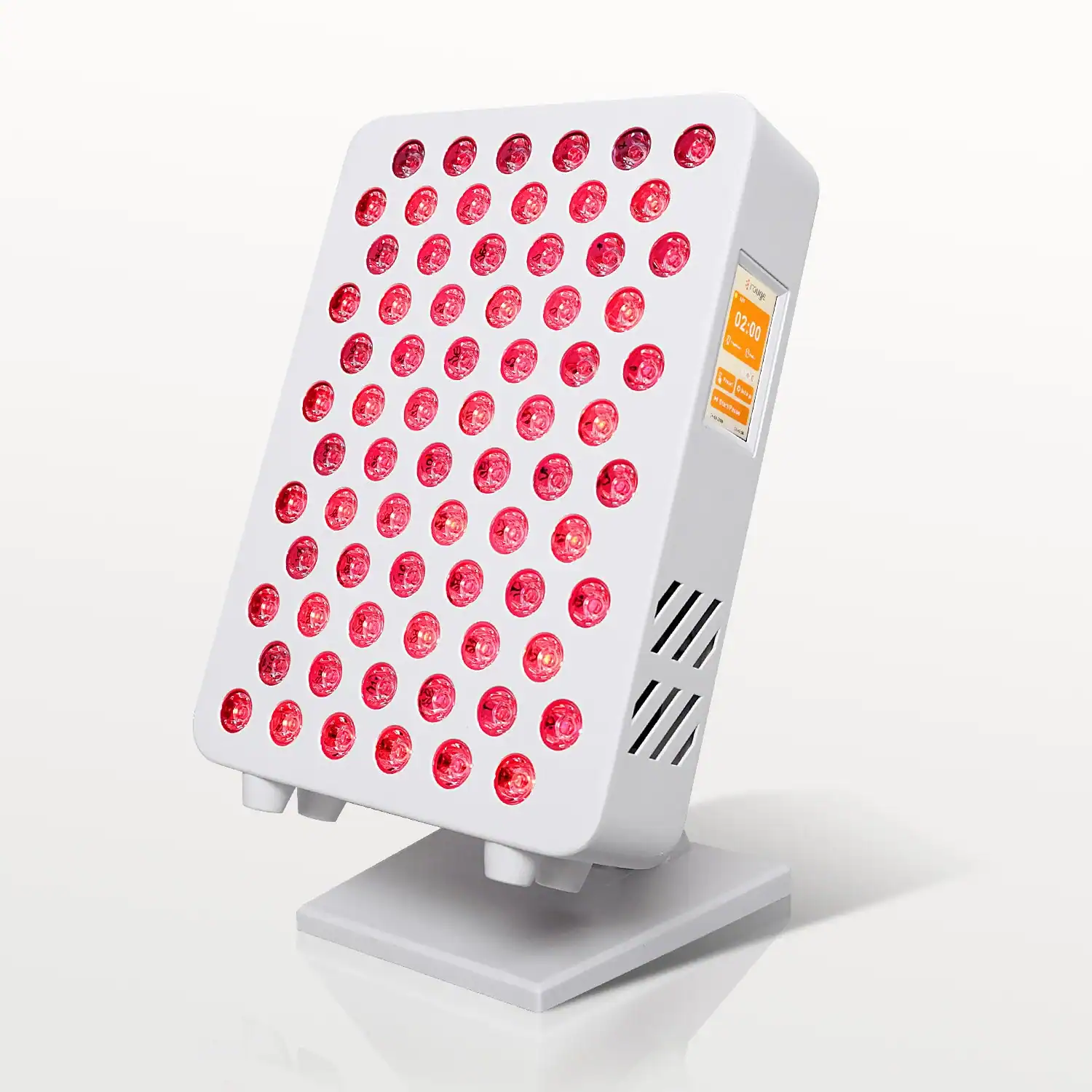
Rouge has earned its reputation as the top-rated red light therapy brand through exceptional build quality and powerful output. Their panels combine red and near-infrared wavelengths for deep joint penetration, making them ideal for treating multiple areas simultaneously. Industry-leading warranty and customer support backed by clinical research on pain management.
Check Price on Rouge Red Light3. Infraredi
Best for Flexible Joint Wrapping
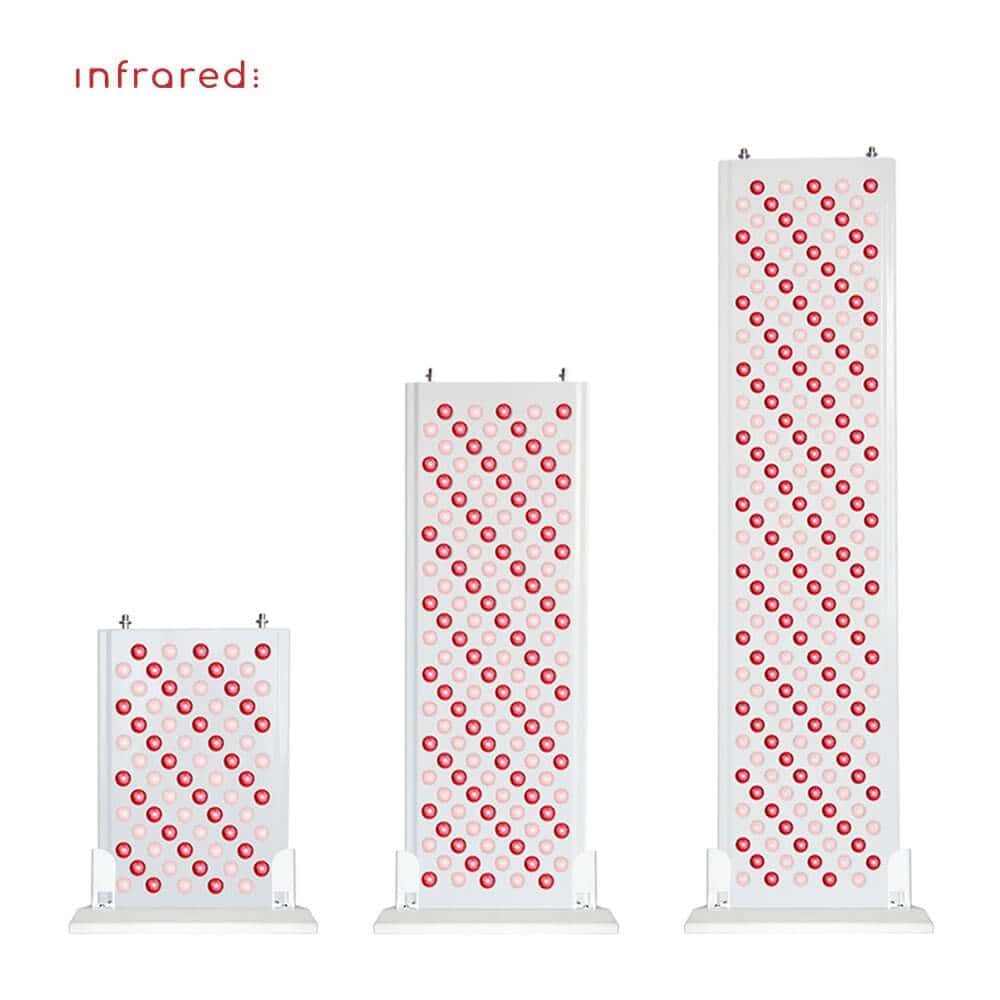
The Infraredi Flex Pad's unique ability to wrap directly around joints like knees, shoulders, or hands ensures the light is delivered exactly where needed most. This targeted approach provides maximum therapeutic benefit for localized arthritis pain. Excellent for hands-on treatment while you relax, delivering clinically validated wavelengths for joint health.
Check Price on InfrarediIs Red Light Therapy Safe and Effective?
Red light therapy has gained popularity, but many people still wonder if it really helps with arthritis. The research tells an interesting story that needs a closer look. Some studies indicate that effective red light therapy can reduce inflammation and promote pain relief in arthritic joints, leading to improved mobility for some patients. Despite these promising findings, more extensive clinical trials are necessary to fully understand its benefits and limitations. As interest in this treatment option grows, it may offer a complementary approach for those seeking alternative relief from arthritis symptoms.
Scientific studies and clinical trials
Scientists don't fully agree on how well red light therapy works. A 2019 meta-analysis looked at 22 randomized trials and showed notable improvements in pain levels and physical function for patients with knee osteoarthritis. Many published studies had small groups or didn't include proper control groups. The field still needs more high-quality randomized, placebo-controlled trials with larger numbers of participants. A 2022 study showed that patients who combined red light therapy with strength training had better results over time.
Is red light therapy safe for everyone?
Red light therapy proves safe for most people and has few side effects when used correctly. The treatment doesn't use harmful radiation like ultraviolet light does. In spite of that, very intense red LED lights might cause skin blistering and redness. The therapy isn't right for people who take medications that make their skin or eyes more sensitive. Patients should wear protective goggles during their sessions. According to systematic reviews on oncologic safety, there is no evidence linking red light therapy to cancer development. Additionally, red light therapy benefits for eczema have gained attention for its potential to reduce inflammation and promote healing in affected skin areas. Many patients report a noticeable improvement in their symptoms after consistent treatment sessions. As always, it's essential to consult with a healthcare professional before beginning any new therapy.
When to consult a healthcare provider
You should talk to a healthcare professional before trying this treatment, especially if you have other health issues. The best approach is to visit a dermatologist or qualified therapist who can check your condition and tell you if the treatment makes sense.
Frequently Asked Questions
How does red light therapy work to relieve arthritis pain?
Red light therapy stimulates cellular energy production and reduces inflammation in joints. It increases blood circulation, promotes tissue repair, and triggers the release of natural pain-relieving compounds in the body, providing relief from arthritis symptoms through photobiomodulation mechanisms.
How often should I use red light therapy for arthritis?
Most experts recommend 3-5 sessions per week, with each session lasting 10-20 minutes per treatment area. Consistency is key for optimal results, but it's important to follow device-specific guidelines and avoid overuse to maintain the biphasic dose-response.
Can red light therapy help with different types of arthritis?
Yes. Red light therapy shows promise for various types of arthritis, particularly osteoarthritis. Research published in peer-reviewed journals demonstrates it may help reduce inflammation and pain in both osteoarthritis and rheumatoid arthritis, though effectiveness can vary depending on the specific condition and individual factors.
How long does it take to see results from red light therapy for arthritis?
Results from red light therapy typically develop gradually over several weeks of consistent use. Many users notice improved joint mobility and decreased stiffness first, followed by reduced pain intensity. However, individual experiences may vary, and combining therapy with other treatments may enhance outcomes.
Is red light therapy safe for everyone?
Red light therapy is generally safe for most people when used correctly. However, it's not recommended for people taking photosensitizing medications or those with certain eye conditions. Cleveland Clinic recommends consulting with a healthcare provider before starting treatment, especially if you have underlying health conditions.
Conclusion
Red light therapy gives arthritis sufferers a promising alternative to traditional medications. This treatment helps reduce inflammation at the cellular level, even though it's not a cure. Many patients find relief without dealing with the concerning side effects of NSAIDs, corticosteroids, and opioids. The therapy's ability to improve circulation and repair tissue makes it especially valuable for joint health.
Red light therapy is just one tool to help manage arthritis. While it won't completely eliminate symptoms or reverse joint damage, many patients say it helps them live better with arthritis when used as part of their overall treatment plan.