
If you've searched "how much does a red light therapy bed cost," you've probably found vague answers like "contact us for pricing." Manufacturers love hiding their prices behind quote requests. As a Registered Massage Therapist who spent months researching commercial red light therapy beds for my clinic, I gathered real pricing data from distributors, clinic owners, and published sources. This guide shares what I learned—including the costs manufacturers don't advertise.
How Much Do Red Light Therapy Beds Cost? (2026 Prices)
$3K-$15K
Home Use Beds
$20K-$85K
Entry-Mid Commercial
$85K-$150K
Premium Medical Grade
- Per session at a spa/clinic: $25-$200 (average $50-$55)
- Planet Fitness Black Card: $24.99/month unlimited (red light only, no NIR)
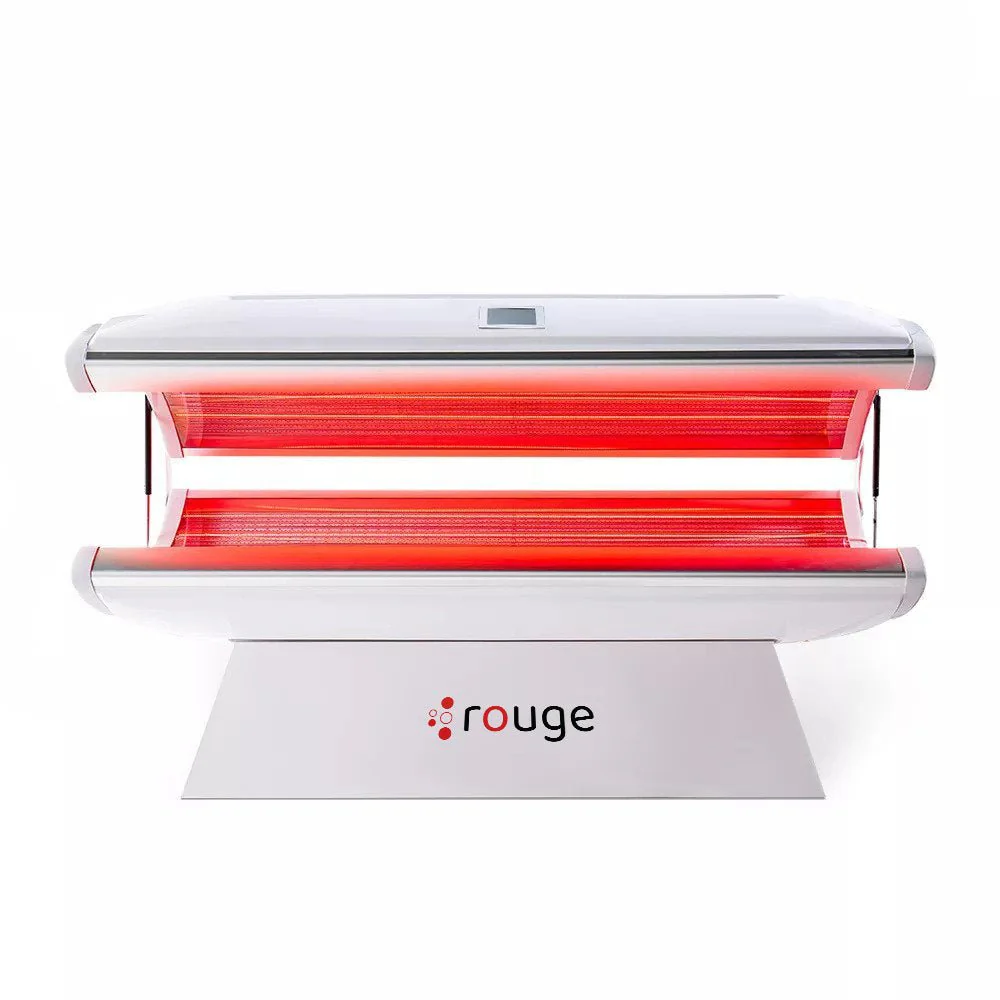
- Most affordable commercial option: Mito Red MitoRecharge at ~$27,995.00 in the US or Rouge G4 Horizontial Red Light Bed at ~$23,800.00 (20% Off) plus free shipping in Canada
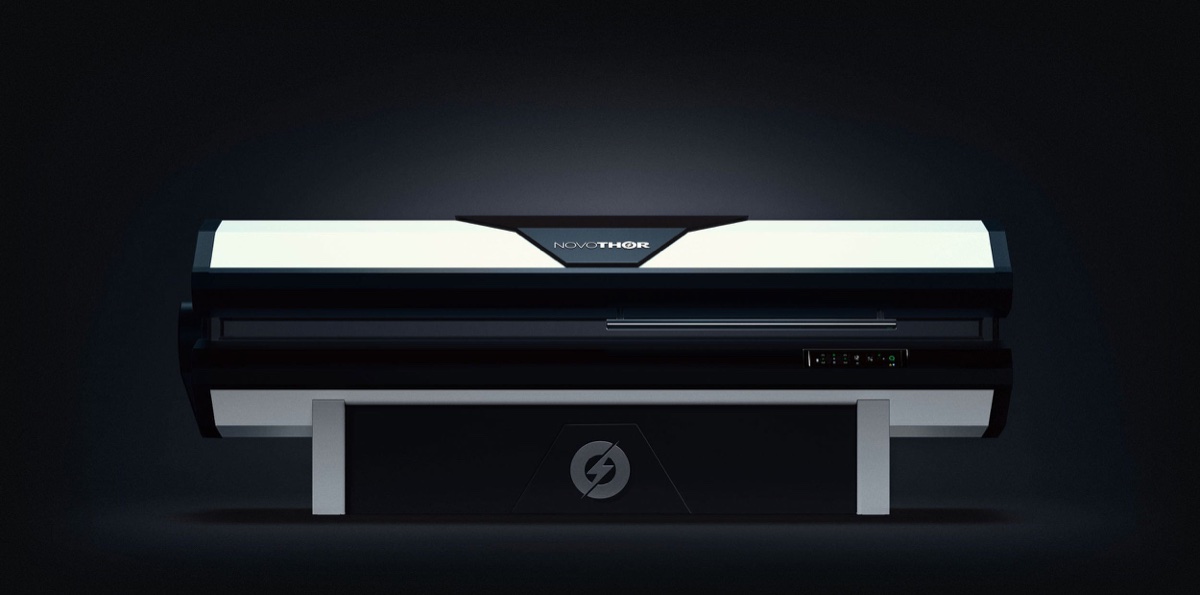
- Premium gold standard: NovoTHOR at $130,000-$150,000
In This Guide
Red Light Therapy Bed Cost Breakdown
Commercial Red Light Therapy Bed Costs: Brand-by-Brand
Commercial red light therapy beds range from $20,000 to over $150,000. The price depends on LED count, wavelength options, build quality, FDA classification, and brand reputation. Here's what each tier actually costs:
Premium Medical-Grade Beds ($85,000-$150,000+)
| Brand/Model | Price | Key Specs | Best For |
|---|---|---|---|
| NovoTHOR XL | $130,000-$150,000 | 660nm + 850nm, FDA Class II, Made in USA | Pro sports teams, medical clinics |
| TheraLight 360 | $85,000 | 4 wavelengths (633, 810, 850, 940nm), PEMF option | Wellness centers, chiropractors |
| Spectra S10 Pro | $74,990 | High irradiance, includes shipping/install | Med spas, recovery centers |
Why NovoTHOR costs $130,000+: It's the only red light bed with extensive published clinical research, FDA Class II medical device clearance, and is used by NFL, MLB, NBA, and UFC teams. The price reflects R&D investment and USA manufacturing. Learn how photobiomodulation works →
Mid-Range Commercial Beds ($30,000-$75,000)
| Brand/Model | Price | Key Specs | Best For |
|---|---|---|---|
| Prism Light Pod | $50,000-$70,000 | 17,000 LEDs, 110V operation, Made in Denver | Wellness centers, gyms |
| TheraLight FIT | $45,000-$55,000 | Compact design, 4 wavelengths | Smaller clinics, limited space |
Entry-Level Commercial Beds ($20,000-$35,000)
| Brand/Model | Price | Key Specs | Best For |
|---|---|---|---|
| Mito Red MitoRecharge | $23,000 (full system) | 4,200 LEDs, 120V standard outlet, 2-piece design | Small clinics, home gyms |
| Mito Red (Bottom Only) | $12,000 | 2,200 LEDs, pair with PEMF mat | Budget clinics, massage therapists |
| Prism Light Pad (2 pads) | $19,990 | Portable, 360° coverage with 2 pads | Mobile practitioners, IV therapy |
Budget Tip: The Mito Red MitoRecharge at $23,000 is the most affordable full-body bed that runs on a standard 120V outlet—no expensive electrical upgrades needed. Many clinics start here to test demand before investing in premium beds.
Red Light Therapy Bed Cost for Home Use
Home red light therapy beds typically cost $3,000-$15,000. These are smaller, lower-powered units designed for personal use rather than commercial volume.
$3,000-$7,000
Entry-Level Home Beds
- Basic red light (620-700nm)
- Smaller treatment area
- Standard electrical outlet
- May lack near-infrared (NIR)
$7,000-$15,000
Premium Home Beds
- Red + near-infrared wavelengths
- Higher LED count & irradiance
- Full-body coverage
- Better warranty (2-5 years)
Important: Many "home beds" under $7,000 are actually retrofitted tanning beds with red LED strips. These lack therapeutic irradiance and proper wavelengths. Always verify: Does it include 810-850nm near-infrared? What's the irradiance (mW/cm²)? Is there third-party testing? See my beds vs panels comparison for alternatives.
Red Light Therapy Cost Per Session
If buying a bed isn't in your budget, here's what you'll pay for professional red light therapy sessions at spas, clinics, and gyms: The cost of these sessions can vary significantly depending on the facility and location. On average, you might expect to pay between $25 to $100 per session, with packages often offering discounts for multiple visits. For a better understanding of how these prices stack up, it's helpful to look at a red light therapy cost comparison across various providers.
| Location Type | Cost Per Session | Session Length | Notes |
|---|---|---|---|
| Med Spa / Wellness Center | $50-$150 | 15-20 min | Premium equipment, staff supervision |
| Chiropractic Clinic | $25-$75 | 10-15 min | Often bundled with adjustments |
| Dermatologist Office | $75-$200 | 20-30 min | Medical-grade, targeted treatments |
| Cryotherapy/Recovery Center | $35-$55 | 15 min | Often NovoTHOR beds |
| Tanning Salon | $15-$40 | 12-20 min | Basic equipment, minimal guidance |
| Planet Fitness (Black Card) | $24.99/month unlimited | 12 min | Beauty Angel booth, red light only (no NIR) |
Real Cost Example: 3-Month Treatment Protocol
Most conditions require 3-5 sessions per week for 8-12 weeks. Here's what that costs:
$1,800-$5,400
Med Spa @ $50/session
36 sessions over 12 weeks
$75
Planet Fitness @ $25/mo
Unlimited sessions, 3 months
For guidance on treatment frequency, see how often should you do red light therapy.
Why Is Red Light Therapy So Expensive?
A $130,000 NovoTHOR costs more than a Tesla. Here's what actually drives red light therapy bed prices:
Why Red Light Therapy Beds Are So Expensive
1. LED Quality & Quantity
Premium beds use 17,000-45,000 medical-grade LEDs rated for 100,000+ hours. Cheap beds use LED strips with lower irradiance and shorter lifespans. Quality LEDs cost $0.50-$2.00 each—multiply that by 20,000.
2. Wavelength Precision
Therapeutic wavelengths (630nm, 660nm, 810nm, 850nm) must be precisely calibrated. Premium beds use binned LEDs with tight tolerances. Wavelength matters for different conditions.
3. FDA Classification & Clinical Testing
FDA Class II medical devices require clinical trials, safety testing, and ongoing compliance—costing hundreds of thousands in regulatory expenses. Many cheaper beds are only "FDA registered" (not the same thing). Learn the difference in our FDA devices guide.
4. Manufacturing Location
USA-made beds (NovoTHOR, Prism Light Pod, TheraLight) cost more than Chinese imports. Some US brands actually rebrand Chinese beds with markups of 200-400%.
5. Research & Development
NovoTHOR is the only bed with published clinical trials. That research represents millions in R&D investment reflected in the price.
Warning: Some vendors sell $50,000-$89,000 beds that are actually manufactured in China and rebranded. They file new FDA registrations under US brand names. Ask manufacturers: Where are the LEDs sourced? Where is final assembly? Is there third-party irradiance testing?
Red Light Therapy Bed ROI Calculator for Clinics
Is a commercial red light bed worth the investment? Use this calculator to estimate your return on investment:
Your Numbers
Electricity, supplies, maintenance
Your ROI Results
Monthly Revenue
$8,800
Monthly Profit
$8,300
Annual Profit
$99,600
Breakeven Point
6 months
5-Year Return
$448,000
Real-World Example: A $50,000 bed at $50/session with 8 sessions/day generates ~$8,800/month revenue. After $500 operating costs, you net ~$8,300/month. Breakeven occurs in approximately 6 months. Many clinics report $100,000-$200,000+ annual profit from a single bed.
Red Light Therapy Bed vs Panel: Cost Comparison
Before investing in a bed, consider whether red light therapy panels meet your needs at a fraction of the cost:
| Factor | Red Light Bed | Red Light Panel |
|---|---|---|
| Cost Range | $3,000-$150,000 | $300-$3,000 ✓ |
| Treatment Time | 10-15 min (full body) ✓ | 20-40 min (repositioning) |
| Space Required | Dedicated room (9x9+ ft) | Wall/door mount ✓ |
| Electrical | Often 220V required | Standard 120V ✓ |
| Therapeutic Benefit | Same wavelengths, same cellular mechanisms ✓ | |
| Best For | Commercial clinics, premium experience | Home users, budget-conscious clinics |
For a detailed comparison, see my complete beds vs panels guide with ROI analysis for both options.
Top Panel Alternatives (Save 95%+)
Used Red Light Therapy Beds for Sale
Used commercial beds occasionally appear on the market at 40-60% of retail. Here's what to consider:
Potential Savings
- • NovoTHOR: $60,000-$80,000 used (vs $130K new)
- • TheraLight: $40,000-$50,000 used (vs $85K new)
- • Prism Light Pod: $25,000-$35,000 used
Risks to Consider
- • No warranty transfer (most brands)
- • Unknown LED degradation
- • Potential hidden damage
- • No manufacturer support
Before Buying Used: Request proof of purchase, service records, and current irradiance readings (using a solar power meter). LED output degrades over time—a 5-year-old bed may deliver 50-70% of original irradiance. Factor in potential LED replacement costs ($5,000-$15,000).
Red Light Therapy Bed Cost: FAQs
How much does a NovoTHOR red light therapy bed cost?
The NovoTHOR standard model costs approximately $120,000-$130,000, while the NovoTHOR XL runs $130,000-$150,000. This includes delivery but may require additional electrical installation for 220V power. NovoTHOR is the most expensive red light bed because it's the only one with published clinical trials and is used by professional sports teams including the NFL, NBA, and UFC.
How much does red light therapy cost per session?
Red light therapy sessions cost $25-$200 depending on location. Average pricing: $50-$55 at wellness centers, $75-$150 at med spas, $25-$40 at tanning salons. Planet Fitness Black Card members get unlimited access to the Total Body Enhancement booth for $24.99/month. For chronic conditions requiring 36+ sessions, home panels often provide better value.
What is the cheapest commercial red light therapy bed?
The Mito Red MitoRecharge at approximately $23,000 (full system) or $12,000 (bottom piece only) is the most affordable commercial-grade option. It runs on standard 120V power, includes 4,200 LEDs with therapeutic wavelengths (630nm, 660nm, 810nm, 850nm), and requires no special electrical installation. The Prism Light Pad system at $19,990 (two pads) offers another entry-level commercial option.
Is buying a red light therapy bed worth it?
For clinics: Yes, if you can achieve 6-8 sessions/day. A $50,000 bed at $50/session can generate $100,000+ annual profit with a 6-month breakeven. For home users: Usually no—panels deliver the same therapeutic benefits at 5-10% of the cost. The main advantage of beds is convenience and treatment speed, not effectiveness.
How much does a Trifecta red light therapy bed cost?
Trifecta red light therapy beds typically cost $40,000-$60,000 depending on the model and configuration. Trifecta is known for beds found in tanning salons and smaller wellness centers. For current pricing, contact Trifecta directly as they don't publish prices online.
What does Planet Fitness red light therapy cost?
Planet Fitness red light therapy (Total Body Enhancement/Beauty Angel booth) is included with the Black Card membership at $24.99/month. This provides unlimited 12-minute sessions. However, note that the Planet Fitness booth only uses red light wavelengths (620-700nm) without near-infrared (810-850nm), which limits its effectiveness for muscle and joint benefits. It's best for skin-related goals.
Why is red light therapy so expensive?
Red light therapy beds are expensive due to: (1) High-quality medical-grade LEDs—17,000-45,000 per bed at $0.50-$2.00 each, (2) FDA Class II clearance requiring expensive clinical trials, (3) Precise wavelength calibration with binned LEDs, (4) USA manufacturing costs, and (5) R&D investment for published research. Budget beds cut corners on LED quality and skip clinical testing.
Are red light therapy beds FDA approved?
The FDA doesn't "approve" devices—it "clears" them. Key distinctions: FDA Class II Medical Device (cleared) means clinical testing proved specific health claims (NovoTHOR, TheraLight have this). FDA Registered simply means the manufacturer submitted paperwork—no testing required. Many cheaper beds claim "FDA registered" which has minimal meaning. Always ask for FDA 510(k) clearance documentation for medical claims. Learn more in our FDA devices guide.
What is the best red light therapy bed for home use?
For home use, most users are better served by high-quality panels rather than beds. If you specifically want a bed, the Mito Red MitoRecharge bottom piece ($12,000) or MitoPOD (portable full-body mat) offer the best value. Avoid cheap "home beds" under $5,000—most are retrofitted tanning beds with inadequate LED specifications.
My Recommendation: Where to Start
For Home Users: Start with a quality panel ($500-$1,500) from Rouge, Mito Red, or PlatinumLED. Same therapeutic wavelengths as beds at 5% of the cost. See my home setup guide. Additionally, these panels offer flexibility for users to integrate red light therapy into their daily routines conveniently. For those considering different options, an honest kala red light therapy review can provide valuable insights into the effectiveness and features of various devices on the market. Taking the time to research can ensure you select a panel that best suits your needs and lifestyle. Additionally, for those seeking an in-depth evaluation, the infraredi red light panel review offers comprehensive analysis and user experiences to help potential buyers make informed decisions. This resource highlights the advantages and drawbacks of various red light therapy options, ensuring that users find a product that aligns with their wellness goals. Investing time in such reviews can enhance your understanding of the technology and its benefits, ultimately leading to a more satisfying purchase.
For New Clinics: Test market demand with the Mito Red MitoRecharge ($23,000) or panel setup first. Upgrade to premium beds once you've proven ROI.
For Established Clinics: TheraLight 360 ($85,000) offers the best balance of features, FDA classification, and price. NovoTHOR ($130,000+) if budget allows and you want the research-backed gold standard.