
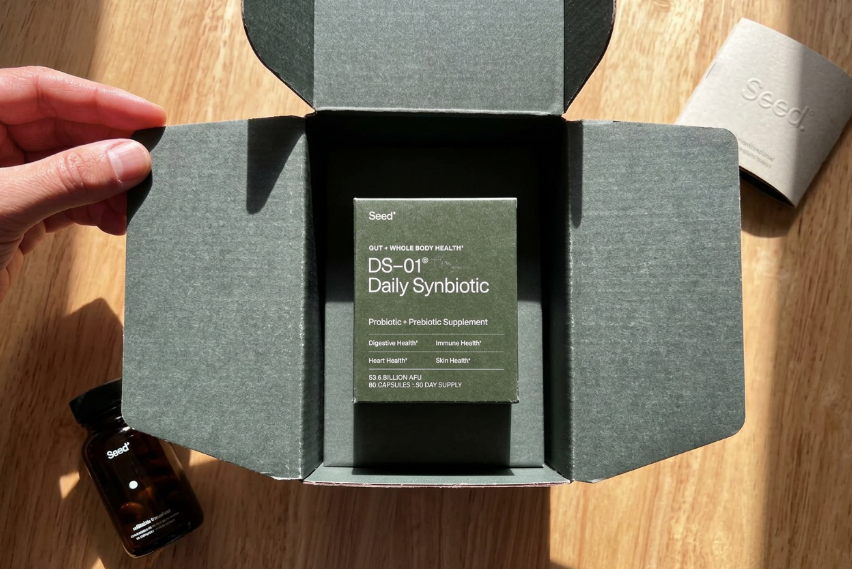
If your lower abdomen swells painfully after every meal, you don't just need a basic probiotic—you are searching for the best synbiotic for bloating in 2026. Synbiotics combine prebiotics and probiotics to ensure the good bacteria actively colonize your gut rather than just passing through.
The verdict? The best overall synbiotic for bloating is Seed DS-01 Daily Synbiotic. As a holistic nutritionist running an active clinical practice, I use Seed as my frontline treatment for chronic bloating because its 24-strain diversity provides the fastest, most comprehensive relief.
1. Seed DS-01: The Overall Winner for Bloating
Most bloating is caused by microbial dysbiosis, where bad bacteria ferment food and create excess gas. Seed DS-01 corrects this using 53.6 Billion AFU across 24 specific strains. Crucially, its prebiotic component is derived from non-fermenting pomegranate punicalagins, meaning the prebiotic feeds the good bacteria without causing the very gas and bloating you are trying to cure.
- Non-Fermenting Prebiotics: Won't trigger FODMAP-related bloating.
- Unmatched Strains: 24 clinical strains for whole-body health.
- ViaCap® Tech: 100% survives stomach acid.
2. Ritual Synbiotic+: Best For Gut Barrier Support
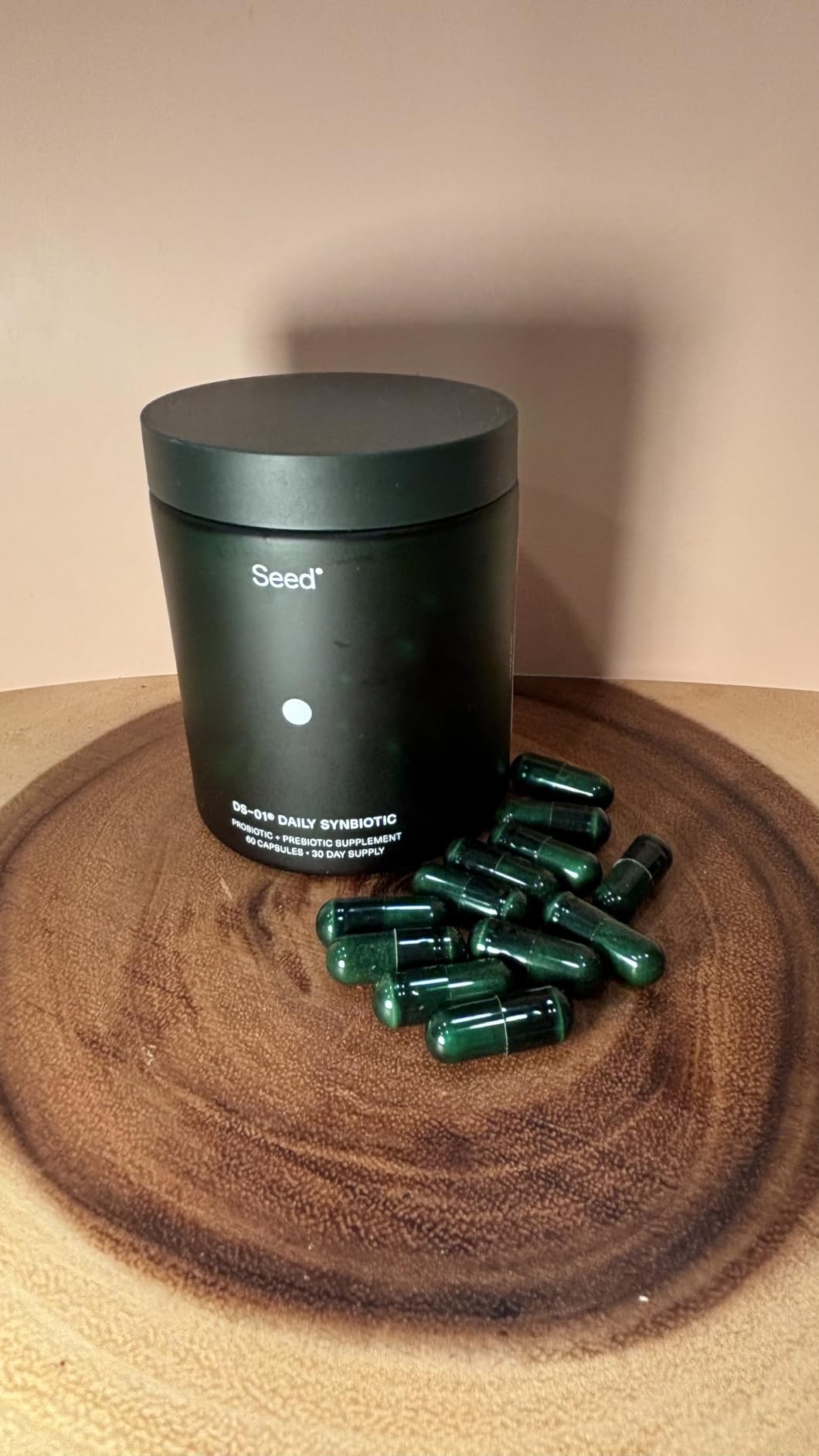
Ritual takes a different approach by combining prebiotics, probiotics, and a postbiotic called Tributyrin. While it contains 3 probiotic strains, Tributyrin is a short-chain fatty acid that directly fuels the cells lining your colon. If your bloating stems from intestinal permeability (leaky gut) rather than severe dysbiosis, Ritual is an excellent, gentle daily maintenance option.
- 3-in-1 Formula: Includes postbiotic Tributyrin.
- Simple Maintenance: One capsule per day.
- Highly Traceable: Complete supply chain transparency.
Comparing the Best Synbiotics
| Synbiotic Supplement | Best Used For | Monthly Cost |
|---|---|---|
| 1. Seed DS-01 | Chronic Bloating & Global Repair | $49.99 |
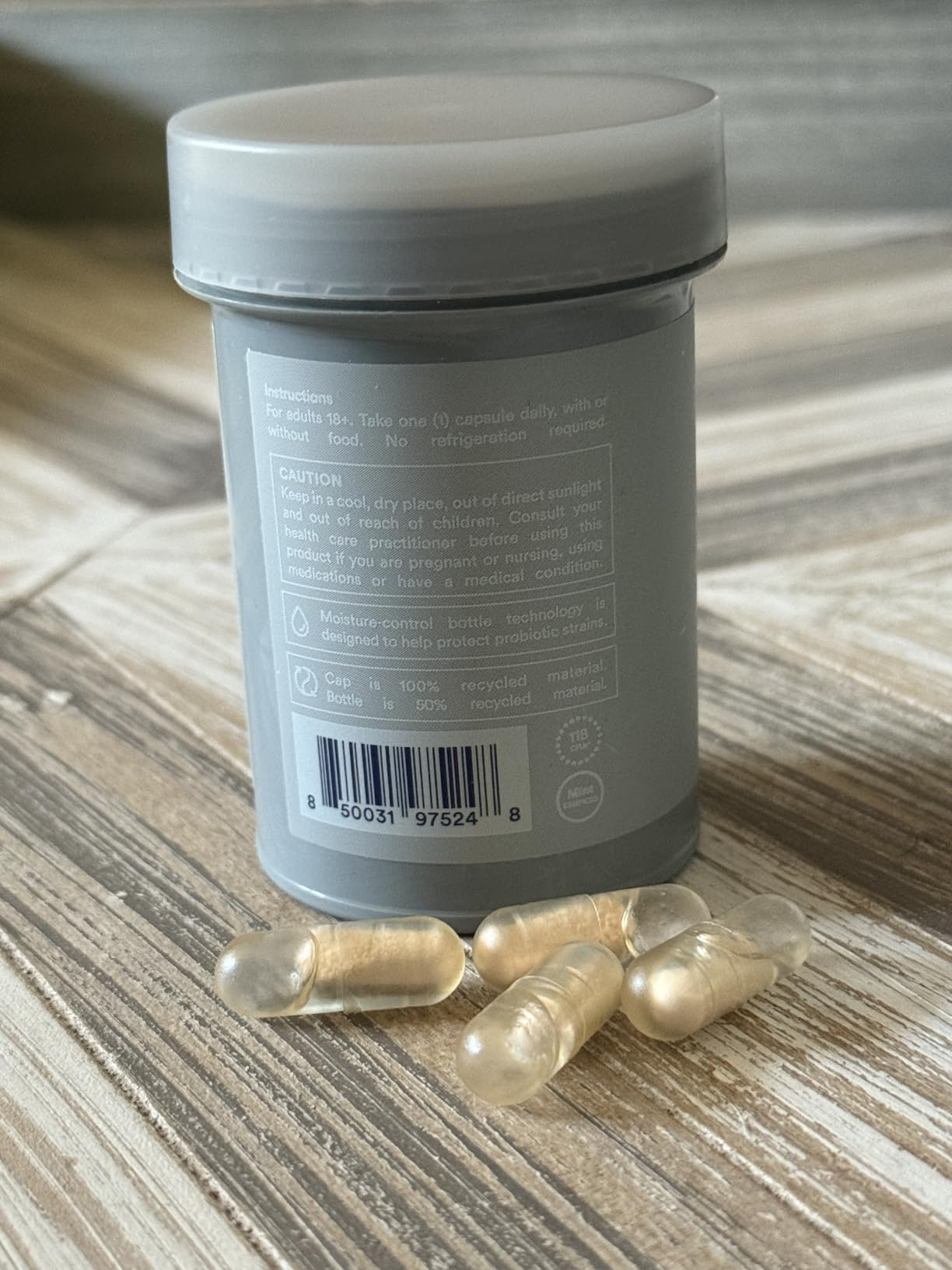
| 2. Ritual Synbiotic+ | Occasional Gas & Postbiotic Support | $54.00 |
Frequently Asked Questions
What is the best synbiotic for severe bloating?
Seed DS-01 is currently the best synbiotic for severe bloating. Its 24-strain formula and non-fermenting prebiotics comprehensively address the dysbiosis that causes chronic gas and abdominal distension, providing relief faster than standard probiotics.
How long does a synbiotic take to relieve bloating?
A high-quality synbiotic like Seed DS-01 typically begins to relieve bloating within 7 to 14 days, though some individuals notice changes in as little as 3 days. Postbiotic formulas like Ritual Synbiotic+ may take 2 to 4 weeks for noticeable structural barrier repair.
Can a synbiotic cause more bloating at first?
Yes, it is common to experience temporary, mild bloating during the first 3-5 days of taking a new synbiotic as your microbiome adjusts to the introduction of new probiotic strains and prebiotic fibers.
What is the difference between a probiotic and a synbiotic?
A probiotic only contains beneficial bacteria, while a synbiotic contains both probiotics (bacteria) and prebiotics (food for the bacteria) formulated together to ensure the bacteria thrive once they reach your colon.
For our full comparison, read Seed vs Ritual Probiotic: Which is Better in 2026?
Use code synctherapy for 15% off!